SEC to Vote on Crypto Token Offering Rules as CLARITY Act Stalls in Senate
Key Takeaways
- •The SEC will vote on whether to propose tailored rules for crypto investment contracts and token offerings on Friday, August 14.
- •The draft framework could include registration exemptions and safe harbors for qualifying token launches.
- •The vote would only open a public comment period and would not immediately make any rule effective.
- •The Senate recessed without advancing the CLARITY Act, leaving digital asset oversight legislation stalled.
- •The SEC is also preparing a possible innovation exemption for tokenized securities and blockchain-based trading.
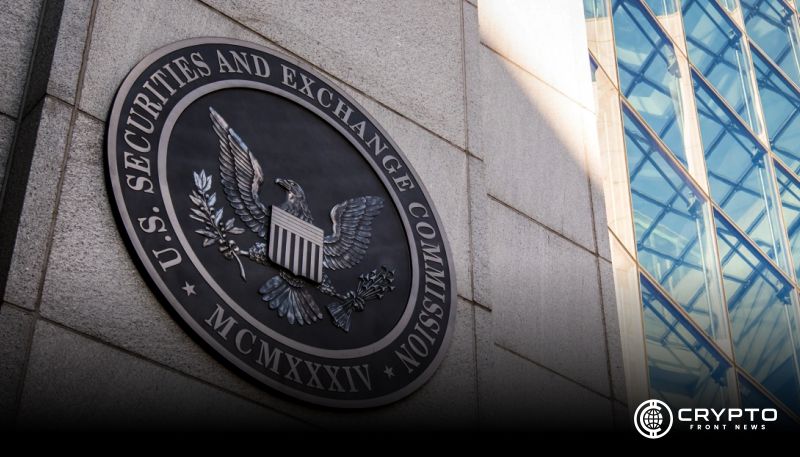
The U.S. Securities and Exchange Commission will vote Friday, August 14, on whether to propose new tailored rules for crypto investment contracts, including registration exemptions and safe harbors for qualifying token offerings. The meeting, scheduled for 10 a.m. ET in Washington, comes as the Senate remains in recess without advancing the CLARITY Act. The vote represents a notable shift in the SEC's approach to digital assets, moving from enforcement-led regulation toward proactive rulemaking after years of litigation against crypto firms under the Howey test, the 1946 Supreme Court framework the agency has used to argue most tokens are unregistered securities.
SEC Prepares Tailored Crypto Offering Framework
The proposal under consideration would establish a dedicated legal pathway for qualifying token offerings. According to Bloomberg, the rules could include registration exemptions and safe harbors designed for specific token launches. For crypto projects that have lacked a clear path to compliance, such exemptions could address a long-standing gap: the absence of a registration framework tailored to tokens that may start as securities and decentralize over time.
The framework builds on the SEC and CFTC's March joint interpretation, which created five token categories and addressed when crypto investment contracts begin and end. SEC Chair Paul Atkins has placed the initiative under Project Crypto, the agency's 2026 regulatory agenda. The broader plans encompass token-sale exemptions, safe harbors for decentralizing projects, and custody standards.
Friday's vote, however, would only determine whether to release the proposal for public review. An affirmative vote would not make the rules effective but would open a public comment period. The SEC would then evaluate submitted comments before considering any final action.
Senate Recess Creates Regulatory Space
The Senate entered its August recess without advancing the CLARITY Act, legislation that would divide digital asset oversight between the SEC and CFTC. Democrats blocked floor action over an ethics provision tied to President Donald Trump's crypto holdings, according to American Banker. Republican Senators Josh Hawley and Jerry Moran also raised concerns regarding stablecoin yield provisions.
Senate Majority Leader John Thune has indicated that lawmakers will take up the measure after returning from recess. The bill requires 60 votes to advance. The legislative impasse has effectively given federal agencies room to fill the regulatory vacuum, though agency rules can be reversed by future administrations or overridden by Congress.
Bloomberg ETF analyst Eric Balchunas noted that the SEC could introduce two major initiatives: one addressing crypto offerings and another potentially covering tokenized securities.
Tokenized Securities Innovation Exemption
The SEC is also preparing an innovation exemption for trading digital representations of securities. Bloomberg reported that details could emerge as early as Friday, with the exemption potentially covering tokenized stocks and blockchain-based trading. Institutional tokenization has accelerated, with major asset managers launching blockchain-based treasury and money market funds, signaling demand for clearer rules around on-chain securities. However, individuals familiar with the plans cautioned that specifics could change before publication.
CFTC Chair Michael Selig has discussed potential agency action should Congress fail to pass legislation. The CFTC and SEC already coordinate on digital asset regulation.
Atkins has acknowledged that agency-issued rules lack the permanence of congressional legislation. Friday's decision will nonetheless determine whether the SEC formally initiates the new crypto offering rulemaking process.

