SEC Chair Paul Atkins Vows More Crypto Rule Changes to Keep Markets Onshore
Key Takeaways
- •SEC Chair Paul Atkins announced on October 2 a proposal to modernize crypto asset custody rules that were originally established in 1940 and covered only traditional assets.
- •The custody initiative joins two prior measures—Regulation Crypto Assets and the Innovation Exemption—to form a potential framework covering how crypto assets are offered, traded, and held in the United States.
- •John Reed Stark, former Chief of the SEC's Office of Internet Enforcement, argues the agency's crypto rulemaking agenda exceeds its authority and encroaches on the role of Congress.
- •The custody measure remains a proposal and would only be finalized through the SEC's standard rulemaking process, which includes a public comment period before adoption.
- •Atkins stated that additional crypto regulatory proposals are forthcoming as part of an effort to keep digital asset markets onshore.
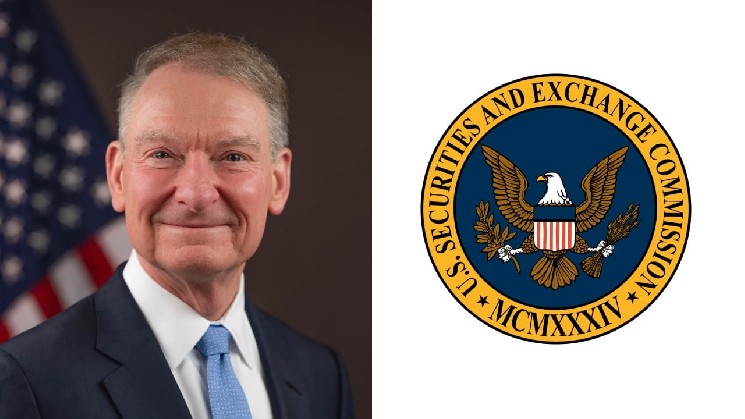
The Securities and Exchange Commission (SEC) is set to continue its wave of crypto-focused rulemaking, with Chair Paul Atkins vowing further changes intended to keep digital asset markets onshore.
On October 2, Atkins issued a statement on social media referencing a proposal to modernize the regulation of crypto asset custody, underscoring the industry's relevance to the future of the United States as a leader in financial markets. Custody rules govern how firms must safeguard client assets, a core investor-protection function and one of the foundational building blocks for how digital assets can be held within regulated markets.
According to Atkins, the new rules would update custody requirements first put in place in 1940, which contemplated only the custody and safekeeping of traditional assets — a framework he argued fits poorly in today's digital landscape. Standards written more than eight decades ago predate digital assets entirely, which is why the commission is revisiting them now.
Part of a Broader Regulatory Campaign
Atkins emphasized that the custody initiative is not an isolated effort but another element of a comprehensive crypto asset regulatory approach the commission has pursued since 2025, when former Chair Gary Gensler left the agency and the era of regulating crypto through enforcement was closed.
Ahead of the custody framework, the SEC presented two landmark initiatives for the crypto industry: Regulation Crypto Assets, which creates a tailored offering regime for crypto assets treated as investment contracts, and the Innovation Exemption, which establishes a five-year sandbox allowing the trading of national stocks on decentralized exchanges and by liquidity providers. Read together, the three initiatives sketch a potential rulebook covering how crypto assets are offered, traded, and held in the United States, marking a turn from case-by-case enforcement toward written rules.
“These efforts acknowledge that blockchain technology holds the potential to modernize the financial system, and that onchain markets should not be relegated offshore or forced into ill-fitting regulatory models,” Atkins declared.
Pushback From a Former SEC Enforcer
The approach does have critics. John Reed Stark, former Chief of the SEC's Office of Internet Enforcement, has argued that the regulatory push exceeds the agency's authority, runs counter to more than a decade of crypto asset enforcement, and usurps the authority of Congress. His objections point to a deeper question hanging over the agenda: whether crypto's rules should be written by regulators or codified by lawmakers.
Even so, Atkins vowed to press on, stressing that the agency's work in the crypto field is not yet complete. “More regulatory proposals are on the horizon, and I look forward to continuing to help President Trump cement the United States as the crypto capital of the world,” he concluded.
Because the custody measure is a proposal, its final requirements would take shape only through the SEC's standard rulemaking process, which includes a public comment period before adoption. With the chair signaling further proposals still to come, the drafting and comment stages of this agenda are the next milestones for firms and market observers to track.

