SEC Alleges Eight Firms Stole $37 Million in Rotating Crypto Investment Scheme
Key Takeaways
- •The SEC filed a complaint on November 19 in the US District Court for the District of Colorado charging eight firms with taking $37 million from more than 1,500 US investors.
- •The alleged scheme paired four purported investment advisers with four fake trading platforms, each operating for about six months before being replaced so investor losses could resume.
- •Investors were recruited through social media advertisements and WhatsApp chats, then allegedly directed to buy nonexistent crypto assets via Initial Exchange Offerings after first receiving guidance on US-listed stocks.
- •Three investors cited in the complaint allegedly lost between roughly $500,000 and close to $1.6 million, tapping retirement accounts, family loans, and a home rather than discretionary funds.
- •The SEC alleges the defendants misrepresented Forms ADV and a Form D as proof of SEC legitimacy, while blockchain analysis traced funds through cross-chain bridges to shared endpoints on the Tron network linking the four pairings.
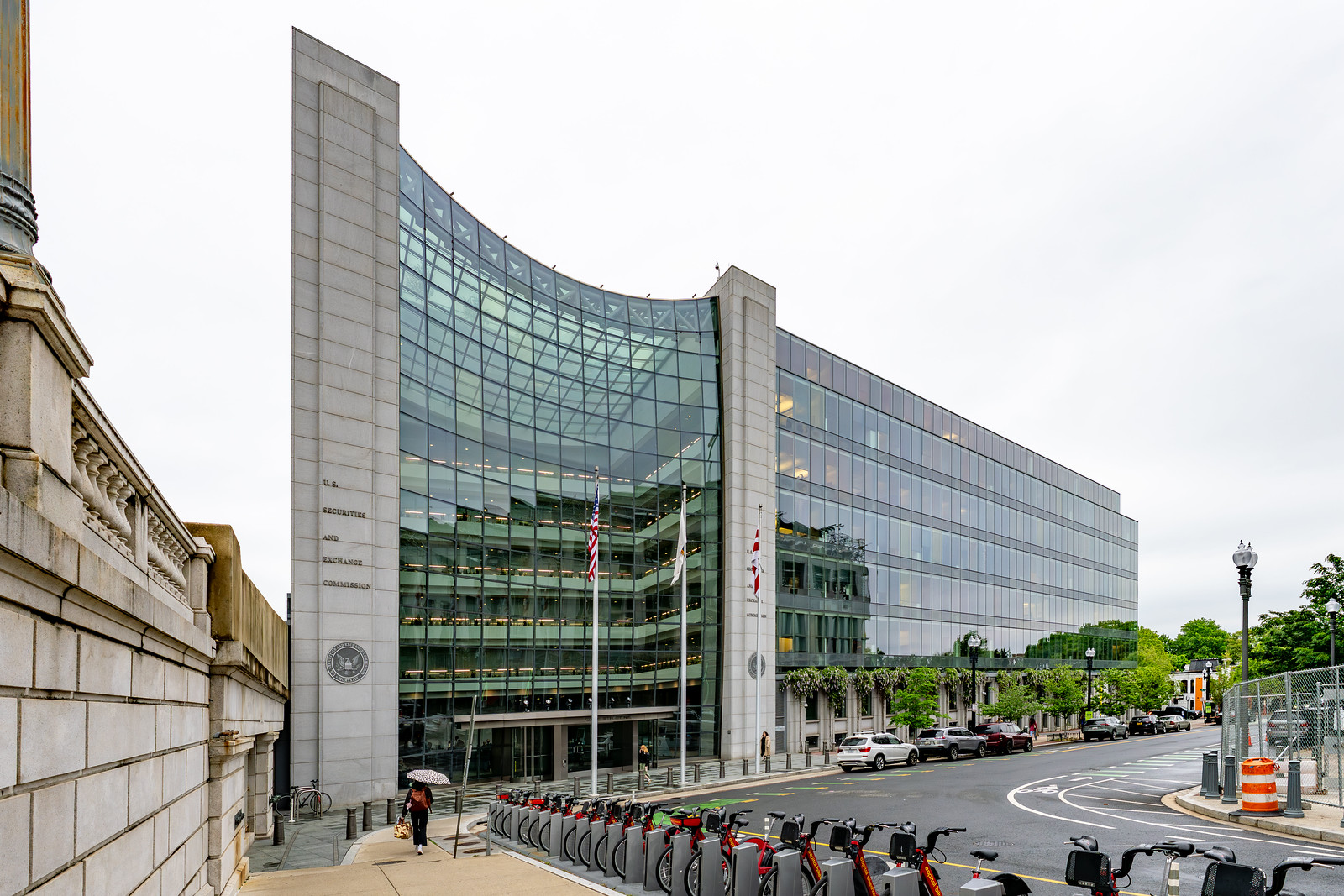
The US Securities and Exchange Commission (SEC) has charged eight firms with stealing $37 million from more than 1,500 US investors through a rotating cryptocurrency investment scheme, according to a SEC complaint report.
In a complaint filed November 19 in the US District Court for the District of Colorado, the regulator alleges the operation used four purported investment advisers and four fake trading platforms. The alleged scheme ran from approximately August 2024 through May 2026, according to the complaint. Each adviser-platform pairing operated for about six months: when one shut down and “essentially disappeared,” the SEC says another took its place and investor losses began anew.
The SEC identifies the purported advisers as Advisor WeChat Capital, HB Wealth Advisors, Convergent Wealth Advisors Inc. and Associated Wealth Advisors Ltd. It names Tech Brokerage Asset Alliance Ltd., IdeaCrypto Exchange LLC, RealSimple Crypto Exchange Inc. and Essential Crypto Exchange as the four platforms.
How the Alleged Scheme Worked
According to the complaint, the adviser entities recruited investors through social media advertisements. Respondents were directed to WhatsApp chats with individuals presenting themselves as investment advisers, and the SEC alleges that “virtually everything” the adviser defendants said about their identities and expertise was false.
The purported advisers first offered guidance on buying and selling US-listed stocks in investors’ own brokerage accounts, the filing says. After building trust, they allegedly directed clients to buy crypto assets through so-called Initial Exchange Offerings on the paired platforms. The SEC alleges those assets did not exist.
Investors were told to convert their funds into ether, tether or USD Coin and send the crypto to wallet addresses controlled by the defendants, according to the complaint. Platform apps appeared realistic and showed fabricated account balances and gains, the SEC says. Investors seeking to withdraw profits were allegedly asked to pay a separate crypto fee to another address, then threatened or pressured when they did not pay. The structure described in the filing, from social media outreach and messaging-app trust-building to fabricated platform dashboards and surprise withdrawal fees, matches patterns cited in other recent crypto fraud enforcement actions.
The complaint describes three investors’ losses: one allegedly lost “nearly $500,000,” including money borrowed from a 401(k) and from family; another allegedly lost “approximately $850,000,” including family loans and funds from a liquidated 401(k); and a third allegedly lost “close to $1.6 million dollars,” including the investor’s house and IRA. The composition of those losses, drawing on retirement accounts, family loans and a home, shows how the alleged scheme reached into investors’ long-term savings rather than discretionary funds.
SEC Says Filings and Identities Were Misrepresented
Convergent Wealth and Essential Crypto allegedly filed Forms ADV claiming exempt reporting adviser status, a filing category for advisers that submit limited reports to the SEC without becoming fully registered investment advisers. According to the SEC, the filings falsely presented sham entities as advisers and listed regulatory contacts who were not real people, along with disconnected phone numbers.
Representatives allegedly pointed investors to those filings and to FinCEN registrations as proof of legitimacy, though FinCEN registration is a self-reported entry in the Treasury Department’s money services business registry and is not an SEC registration or endorsement. Advisor WeChat Capital representatives also allegedly described a Form D filed by Tech Brokerage Asset Alliance as SEC registration and claimed its operations were closely monitored by the regulator. The SEC says those claims were untrue; a Form D is a notice filing for securities sold in exempt offerings, not evidence of SEC registration or oversight.
The filing states that people named in company records, websites and investor chats are believed to be fictitious and could not be identified through public-record searches. Blockchain analysis cited by the SEC traced funds from Ethereum wallets through cross-chain bridges to shared endpoints on the Tron network, a pattern the regulator says connects the four pairings.
Atlanta-based registered investment adviser HB Wealth told InvestmentNews it had no connection to the SEC action or to HB Wealth Advisors, saying the similar name appeared to be part of a fraudulent scheme.
The SEC complaint seeks injunctions, disgorgement with prejudgment interest, civil penalties and restrictions on the adviser defendants. It alleges violations of federal securities and investment-adviser laws. The allegations have not been tested in court, and no court has ruled on their merits.
The case adds to other recent enforcement actions involving alleged crypto investment fraud, including recent crypto indictments and a separate crypto investment scheme. BlockTelegraph has also reported on an alleged crypto Ponzi scheme.
The complaint does not establish liability. The SEC is asking the court to decide its claims and the requested remedies. Any injunctions, disgorgement or penalties would take effect only if the court grants them, and subsequent filings in the District of Colorado docket will show how the claims proceed.

