SEC Green Lights Tokenized Stock Trading Under 'Innovation Exemption' After Clarity Act Stalls
Key Takeaways
- •The SEC granted a five-year 'Innovation Exemption' allowing platforms to facilitate secondary trading of tokenized stocks, which are traditional equities represented as blockchain tokens.
- •SEC Chairman Paul Atkins announced the decision on September 17, 2026, describing it as a step to bring American capital markets into the digital age using existing statutory authority.
- •The approval came days after senators voted 49-50 against advancing the Clarity Act, legislation intended to divide crypto oversight among regulators by asset class.
- •The exemptive relief was issued with a request for public comment, and SEC Trading and Markets Director Jamie Selway called it a milestone for opening capital markets to tokenized securities.
- •CFTC Chair Mike Selig separately said his agency would use existing powers to advance crypto rules, showing both regulators proceeding while Congress remains deadlocked.
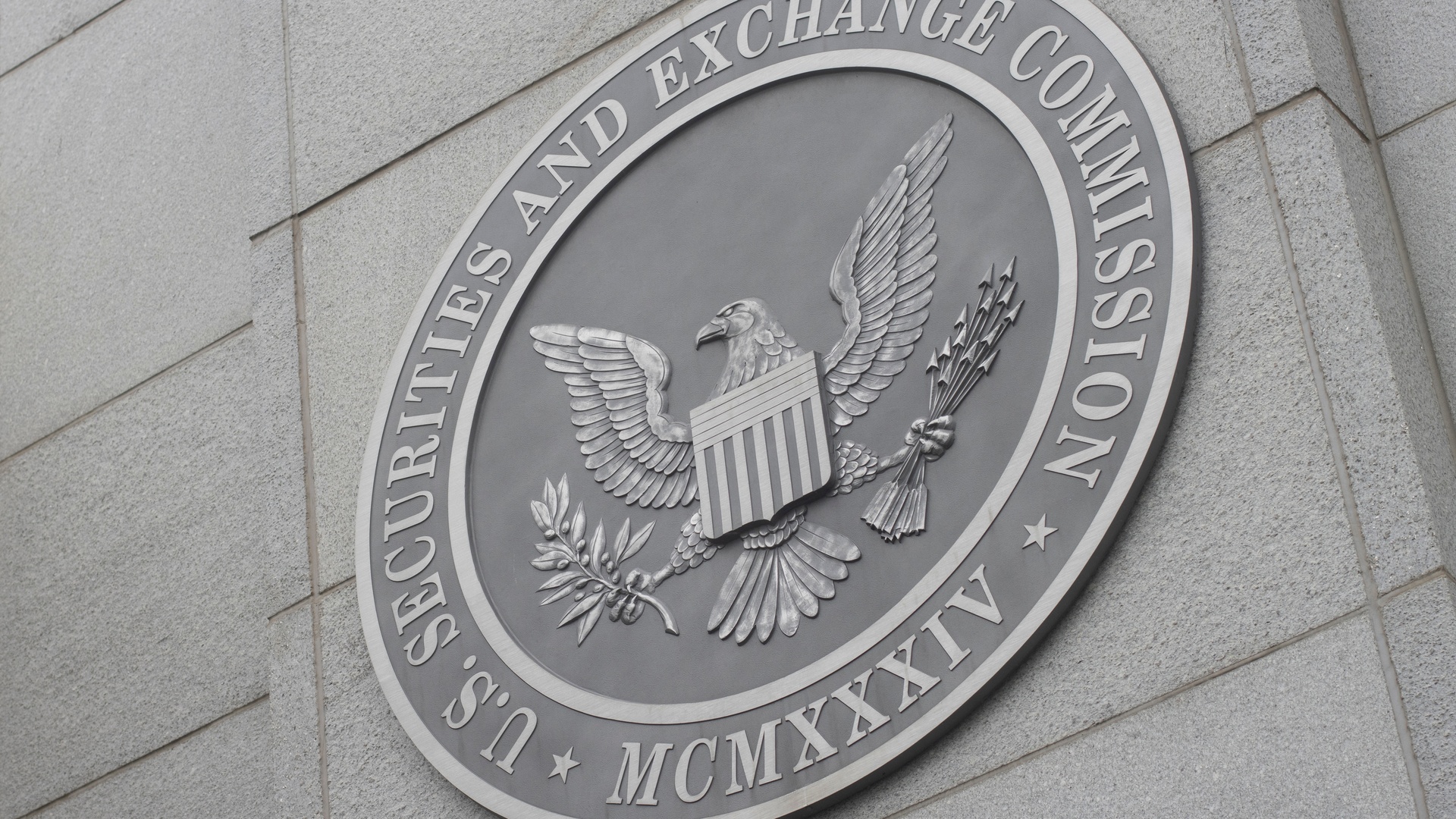
The U.S. Securities and Exchange Commission has approved the trading of tokenized stocks, a move indicating that the regulator will push ahead with rulemaking even though the Clarity Act has failed to advance in Congress.
Wall Street's top regulator said Thursday that it is offering a five-year exemption to platforms that facilitate the trading of tokenized stocks — traditional equities represented as digital tokens on a blockchain. Major crypto companies have long sought to bring such assets onto the blockchain.
The decision came days after lawmakers blocked the Clarity Act in a procedural vote on Tuesday. Regulators had said before the vote that, regardless of whether the landmark legislation passed, they would still move to regulate the crypto industry.
SEC Chairman Paul Atkins announced the decision in a post on X:
Today, we are taking a significant step forward, within our statutory authority, to bring America's capital markets into the digital age by facilitating onchain trading of certain tokenized stocks through the "Innovation Exemption."
— Paul Atkins (@SECPaulSAtkins) September 17, 2026
"Congress was unsuccessful in advancing the Clarity Act despite the tireless efforts of many," Atkins said in a statement. "So today, the Securities and Exchange Commission is taking a significant step forward, within its statutory authority, to bring America's capital markets into the digital age by facilitating onchain trading of certain tokenized stocks."
Jamie Selway, Director of the SEC's Division of Trading and Markets, added: "Today's approval of exemptive relief for on-chain secondary trading on a TSV—known as the 'Innovation Exemption'—marks an important milestone for the Commission's work to open our capital markets for tokenized securities." The relief runs for five years and was issued alongside a request for public comment.
The SEC's action is the latest by regulators pushing ahead while major crypto legislation remains stalled. On Wednesday, Commodity Futures Trading Commission Chair Mike Selig said the top derivatives regulator would use its powers to advance crypto rules despite the Clarity Act being blocked. Together, the moves show Washington's two top market regulators leaning on their existing authority while Congress remains deadlocked.
The Clarity Act aims to formally divide oversight between regulators, distinguishing which digital assets are securities, commodities or stablecoins. President Donald Trump last month urged lawmakers to pass the bill, which the digital asset industry has long called for, but senators voted mostly against advancing it — 49 for and 50 against. Until that jurisdictional split is settled in law, the Innovation Exemption gives tokenized stocks a regulatory path under existing securities authority for at least the next five years.
Republicans have for months accused Democrats of deliberately holding back the legislation. Some lawmakers raised objections to Trump's family making money from crypto ventures. Trump and the White House have consistently denied any conflicts of interest.
This article first appeared on Bitcoin Magazine and was written by Mathew Di Salvo.

