CNN's Scott Jennings Backs Rehiring of Nvidia CEO Jensen Huang, Dismissing National Security Concerns as 'Team America'
Key Takeaways
- •Nvidia's board rehired Jensen Huang as chief executive on Monday morning after President Donald Trump personally pressed the directors to bring him back.
- •Huang had stepped down earlier in the month following reports that he had an affair with a suspected Chinese spy and maintained separate relationships with two Nvidia employees, one of whom reported directly to him.
- •The operative at the center of the alleged honeypot, Alice Huang, who bears no relation to the CEO, is tied to Megaspeed, her former company accused of illegally funneling Nvidia's advanced computing hardware to China in violation of U.S. export controls.
- •Financial disclosures show President Trump holds as much as $62 million in Nvidia stock, and the shares surged 31 percent after the rehiring announcement, reportedly restoring up to $15 million to his holdings in a single day.
- •On CNN NewsNight, Scott Jennings, widely rumored to be under consideration for White House press secretary, defended the reinstatement as a necessity in the AI competition with China while acknowledging the move carried caveats.
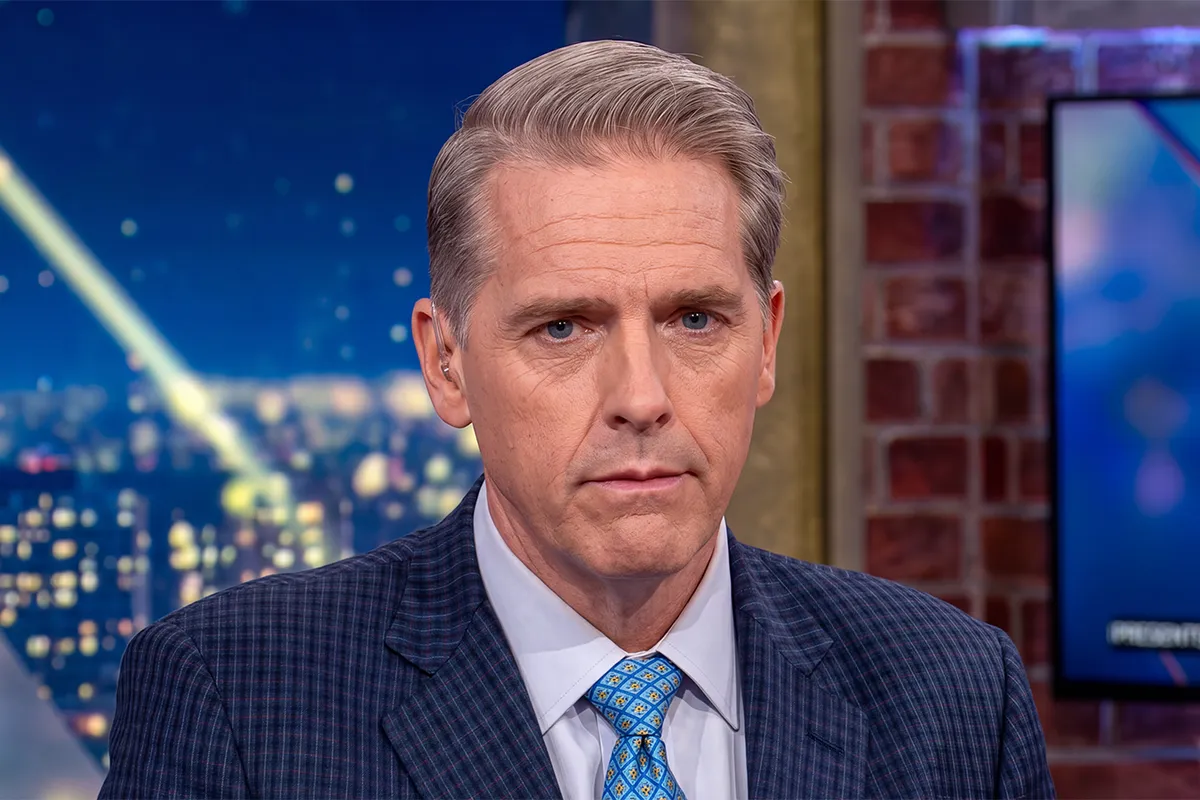
CNN commentator Scott Jennings, widely rumored to be under consideration for the role of White House press secretary, came to the defense of President Donald Trump's successful push to reinstall Jensen Huang as Nvidia's chief executive on Monday night, waving away glaring national security concerns as a matter of being "Team America."
During Monday's broadcast of CNN NewsNight, guest host Elie Honig pressed Jennings on whether returning Huang to lead America's premier artificial intelligence chipmaker was prudent from a counterintelligence standpoint. Honig framed the question squarely around federal security priorities: is rehiring Huang right now a good idea purely on U.S. national security grounds? The weight of that question comes from the broader technology standoff with Beijing, where access to advanced computing hardware has become a central front and U.S. export controls directly govern what Nvidia can sell abroad.
Jennings showed no hesitation in siding with the White House, casting Huang's swift reinstatement as a patriotic necessity in the global artificial intelligence arms race against Beijing. Instead of confronting the specific counterintelligence risks of a potentially compromised executive at the top of America's most critical semiconductor company, he pointed to Nvidia's market dominance and Trump's personal belief that Huang is irreplaceable.
Huang, Jennings argued, built a company and a chip architecture that make the United States the dominant power in artificial intelligence — "superior intelligence," in his words — and the president believes he must remain at the center of that effort. Jennings briefly conceded that the rehiring carried "caveats," but quickly brushed them aside, declaring himself "Team America" and insisting that if Washington needs Huang to keep China from overtaking the sector, the country needs him back at work at once.
The "caveats" Jennings so readily set aside lie at the heart of one of Silicon Valley's most explosive corporate and counterintelligence scandals. Huang stepped down from the chipmaking giant earlier this month after reports that he had an affair with a suspected Chinese spy, in addition to separate relationships with two Nvidia employees — one of whom reported directly to him.
According to reports, Huang was the target of a textbook intelligence "honeypot" operation involving Alice Huang, who bears no relation to the CEO. Her former company, Megaspeed, has been accused of illegally funneling Nvidia's advanced computing hardware to China in violation of strict U.S. export controls designed to slow Beijing's military and technological development. For counterintelligence officials, the possibility that a chief executive with access to America's most sensitive semiconductor blueprints had been compromised by an operative linked to illicit technology transfers raised serious red flags.
Despite those warnings, Nvidia's board of directors changed course on Monday morning and rehired Huang after President Trump personally pressed them to bring him back.
Trump's forceful intervention to save Huang's job also carried enormous personal financial stakes. Financial disclosures indicate that the president holds as much as $62 million in Nvidia stock. When news of Huang's scandal broke and he briefly left the company, Nvidia shares fell sharply, erasing substantial value from Trump's portfolio. That overlap — a president pressing a company's board while personally holding a large disclosed stake in the same firm — is a significant part of why the episode reaches beyond a single cable-news segment.
After the board announced Monday morning that Huang was officially back in charge, Nvidia shares surged 31 percent during the trading session — a dramatic rebound that reportedly restored as much as $15 million in value to the president's holdings in a single day.
For Jennings, whose name continues to circulate as a possible pick for White House press secretary, Monday night's appearance amounted to a conspicuous display of loyalty to the administration — even in defense of a corporate about-face entangled in Chinese espionage allegations and presidential stock gains. For readers following the story, the threads Monday's broadcast left open are the ones Honig put on the table: the counterintelligence concerns surrounding Huang's return, the export-control allegations tied to Megaspeed, and the scale of the president's disclosed Nvidia holdings.

