Senate Democratic Leader Schumer Introduces Anti-Corruption Bureau Bill Amid Scrutiny of Trump's Crypto Ventures
Key Takeaways
- •The proposed Anti-Corruption Bureau would have authority to investigate allegations, enforce ethics standards, and monitor conflicts of interest specifically within the executive branch, going beyond the current oversight role of the Office of Government Ethics.
- •Schumer introduced the bill amid renewed scrutiny of Trump's cryptocurrency ventures, including World Liberty Financial and NFT trading cards, and cited concerns about possible foreign influence.
- •Digital assets present unique oversight challenges due to anonymous participants, decentralized platforms, cross-border movement, and complex ownership structures that traditional ethics frameworks were not designed to address.
- •The bill's legislative future is uncertain, with supporters viewing it as a necessary response to evolving financial realities while opponents argue it may unfairly target specific individuals or duplicate existing institutional responsibilities.
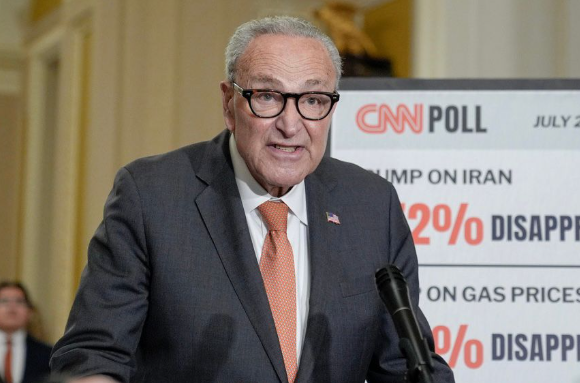
Senate Democratic Leader Chuck Schumer has introduced legislation to create an Anti-Corruption Bureau, arguing that stronger oversight is needed to prevent potential conflicts of interest within the U.S. executive branch. The proposal has intensified an already contentious political debate over government ethics, transparency, and the growing role of digital assets in public life.
The bill arrives amid renewed scrutiny of former President Donald Trump's cryptocurrency-related business activities. Trump and his family have been linked to World Liberty Financial, a decentralized finance venture, and he has previously launched multiple series of NFT trading cards, both of which have drawn public and media attention. Schumer pointed to reported income connected to digital assets and raised concerns about possible foreign influence. According to statements highlighted in discussions shared by the Coin Bureau account on X, Schumer cited claims involving billions of dollars in cryptocurrency-related value connected to Trump-linked ventures.
Schumer described the legislation as an effort to establish a stronger institutional framework for investigating and preventing corruption among senior government officials. The proposed bureau would have authority to investigate allegations, enforce ethics standards, and monitor potential conflicts of interest involving members of the executive branch. Currently, executive branch ethics oversight is primarily handled by the Office of Government Ethics, established under the Ethics in Government Act of 1978, along with agency-level Inspectors General and congressional committees. Schumer's proposal would go beyond these existing structures by creating a dedicated enforcement body.
Crypto Challenges Traditional Oversight Frameworks
The rise of cryptocurrency has introduced new challenges for lawmakers attempting to update traditional ethics and transparency rules. Unlike conventional financial assets, digital assets can move quickly across global networks and involve complex ownership structures, making oversight significantly more difficult for regulators and government officials. Cryptocurrency transactions can involve anonymous participants, decentralized platforms, international actors, and rapidly changing valuations — characteristics that have created new transparency challenges.
Supporters of stronger regulation argue that elected officials and government leaders should face clear disclosure requirements regarding cryptocurrency holdings, investments, and business relationships. They contend that traditional ethics systems were developed before the emergence of blockchain technology, social media-driven financial movements, and modern global investment networks, and that government institutions need updated capabilities to address potential conflicts involving new forms of wealth creation.
Critics, however, argue that political debates surrounding crypto can sometimes become overly partisan, and that existing ethics laws may already provide sufficient oversight mechanisms. Some may also question whether creating another federal agency would increase bureaucracy or duplicate responsibilities already handled by existing institutions.
Trump's Crypto Activities at the Center of Debate
The announcement comes amid continued political disagreements over Trump's involvement in cryptocurrency-related businesses. Trump and his affiliated organizations have increasingly engaged with the digital asset industry through various projects, attracting both supporters and critics. During his 2024 campaign, Trump positioned himself as a pro-crypto candidate, pledging to support digital asset innovation and reduce regulatory friction. Supporters argue that participation in cryptocurrency reflects an understanding of emerging financial technologies and provides opportunities for innovation. Critics have raised concerns about transparency, foreign influence, and whether political figures should benefit financially from businesses connected to global markets while holding or seeking public office.
Schumer referenced Trump's reported cryptocurrency earnings and alleged connections involving foreign governments as examples of why stronger oversight mechanisms are necessary. Trump supporters have rejected such criticisms, arguing that political attacks against his business activities are motivated by partisan opposition rather than legitimate ethics concerns.
Proposed Bureau Would Mark Major Oversight Expansion
The creation of a dedicated Anti-Corruption Bureau would represent a major expansion of federal oversight capabilities. Rather than relying solely on existing agencies and oversight committees, the proposed bureau would create a specialized organization focused specifically on executive branch accountability. Supporters believe specialization could improve enforcement effectiveness, noting that corruption investigations often involve complex financial arrangements requiring expertise in law, finance, technology, and international transactions. A dedicated bureau could potentially provide more resources and focused attention to such cases.
The effectiveness of any new oversight body would depend heavily on its independence, authority, funding, and leadership structure. Schumer's proposal focuses specifically on the executive branch, where officials hold significant authority over federal agencies, economic policy, regulatory decisions, and national priorities.
Broader Regulatory Context
The debate reflects growing political attention toward cryptocurrency regulation in Washington. Over the past several years, lawmakers from both parties have introduced proposals addressing digital asset markets, stablecoins, blockchain innovation, consumer protections, and financial transparency. The House passed the Financial Innovation and Technology for the 21st Century Act (FIT21) in 2024 with bipartisan support, while separate stablecoin legislation has advanced through House and Senate committees. Meanwhile, the Securities and Exchange Commission has pursued high-profile enforcement actions against major crypto firms including Binance, Coinbase, and Ripple, contributing to an atmosphere of regulatory uncertainty that has pushed the industry to seek clearer legislative guidance. Cryptocurrency has become an increasingly important policy issue as millions of Americans participate in digital asset markets. Politicians have also increasingly recognized the influence of the cryptocurrency industry through campaign donations, lobbying efforts, and business investments, creating additional pressure for clearer rules governing relationships between public officials and digital asset companies.
The United States remains one of the most influential markets for cryptocurrency, meaning policy decisions made in Washington could have global consequences. Clear rules regarding digital assets, government ethics, and financial disclosure may influence how companies, investors, and international partners interact with the American market.
Uncertain Legislative Future
Whether the legislation advances through Congress remains uncertain, as political disagreements and competing priorities could determine its future. Issues involving Trump, cryptocurrency, and government ethics have become deeply connected to broader debates over political accountability and economic policy. Supporters of Schumer's bill view it as a necessary response to changing financial realities, while opponents may argue that the proposal unfairly targets specific individuals rather than addressing broader systemic concerns.
The discussion surrounding the bill highlights an important reality: as digital assets become more influential, governments will increasingly need to consider how traditional accountability systems adapt to a rapidly changing financial landscape. The intersection between cryptocurrency and politics is likely to remain a major issue as lawmakers continue debating how to balance encouraging innovation with ensuring that emerging financial technologies do not create new opportunities for conflicts of interest.

