Schroders Nearly Doubles First-Half Profit as Assets Under Management Reach Record £868bn
Key Takeaways
- •Schroders' first-half profit before tax nearly doubled to £396.8m from £196.9m in the prior-year period.
- •Assets under management rose 12% to a record £867.8bn, supported by stronger client sentiment and positive currency movements.
- •The public markets division recorded outflows of £11.7bn, a sharp increase from £0.5bn a year earlier, amid competitive pressure from low-cost passive funds.
- •The wealth management segment attracted £2.5bn in inflows, with Cazenove Capital contributing £2bn, up from £1.4bn last year.
- •Schroders' £9.9bn acquisition by Nuveen is expected to close in the fourth quarter of 2026, subject to regulatory approval.
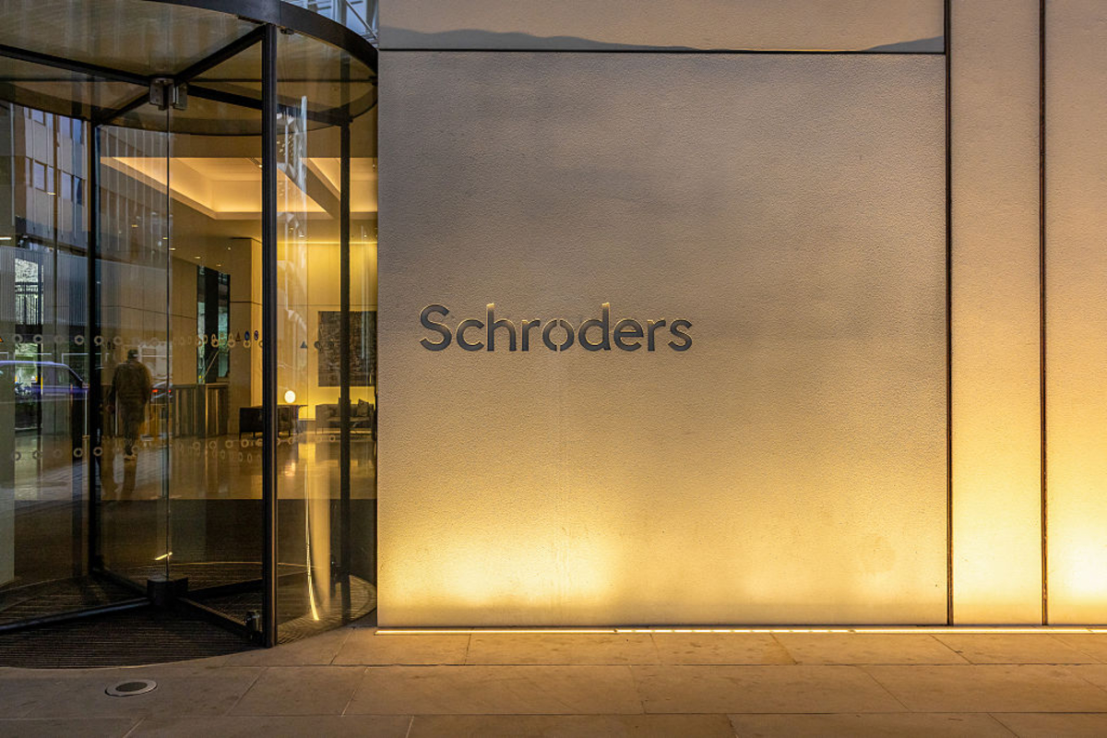
Schroders reported that its profit nearly doubled in the first half of the year, as assets under management climbed to a record high of £868bn.
The FTSE 100 asset manager, which is currently being acquired by US funds group Nuveen, said assets under management (AUM) rose 12 per cent to £867.8bn, compared with £776.6bn in the same period a year earlier. The group attributed the increase to improving client sentiment, along with "positive foreign exchange movements and investment performance."
Profit before tax climbed to £396.8m from £196.9m, driven by stronger financial performance and lower portfolio simplification costs.
Gross inflows edged up to £69.3bn from £68.2bn. The board declared an interim dividend of 7p per share, up from 6.5p the previous year.
Shares fell around 1 per cent in early trading to 588p per share. The stock has gained 44 per cent year to date, after news of its planned sale to Nuveen sent shares surging in February.
Cost Savings and Strategic Outlook
Group chief executive Richard Oldfield said the firm had delivered over 98 per cent of its planned £150m in annualised cost savings and reduced its adjusted cost-to-income ratio below 70 per cent.
"Although markets will remain unpredictable, our focus will be on continued execution of our strategic priorities, delivering improved, sustainable growth, and we are excited about the future potential of the combined business," Oldfield said.
The group also said it had "accelerated" its transformation programme as part of its ongoing cost-reduction efforts.
Public Markets Under Pressure
Further AUM growth was partially offset by net disposals and outflows, primarily from Schroders' public markets division. Group net disposals reached £6.8bn as the firm continued to exit selected geographies, including Brazil and Indonesia, and certain client services.
Total net outflows hit £4.2bn. The public markets business recorded outflows of £11.7bn, a sharp increase from just £0.5bn the previous year. The division has faced significant competitive pressure from rivals offering low-cost passive alternatives, while demand for public market channels was dampened by heightened volatility toward the end of the first quarter. The outflows underscore a broader industry-wide shift as investors across the sector have continued migrating billions from actively managed funds into lower-cost index trackers and exchange-traded funds, squeezing fees at traditional asset managers throughout Europe and the United States.
Wealth Management Shows Resilience
Schroders' wealth management segment recorded inflows of £2.5bn, broadly in line with the prior year. Cazenove Capital contributed £2bn, up from £1.4bn last year, reflecting growing interest in its core wealth management business. The stronger wealth management inflows highlight a division that has become increasingly important for diversified asset managers seeking more stable, fee-based revenue streams less exposed to the passive fund pressures affecting public markets.
Nuveen Acquisition
Schroders' £9.9bn acquisition by Nuveen is expected to be completed in the final quarter of 2026, subject to regulatory approval. The deal is part of a wider wave of consolidation across the global asset management industry, where mid-sized firms have faced mounting pressure to achieve greater scale, reduce costs, and compete with index fund giants such as BlackRock and Vanguard.

