Former GOP Strategist Steve Schmidt and Gov. Andy Beshear Warn Underreported Caspian Sea Incident Escalates Trump's Iran War
Key Takeaways
- •A Ukrainian drone struck an Iranian ship in the Caspian Sea, an event Steve Schmidt described as significant for merging the Ukraine and Middle East war theaters in a previously unaffected region.
- •Governor Andy Beshear stated that Iran has become more powerful since the war began, citing its control over the Strait of Hormuz, through which roughly one-fifth of global oil consumption transits.
- •Beshear criticized Trump for entrusting negotiations to Special Envoy Steve Witkoff, Jared Kushner, and Vice President JD Vance rather than experienced Foreign Service professionals.
- •Beshear argued that Congress has failed to enforce its constitutional war oversight role under the 1973 War Powers Act, allowing the president to conduct military operations without a clear strategy.
- •Schmidt suggested the Caspian Sea incident and the broader trajectory of the conflict could reshape voter sentiment in the upcoming November midterm elections.
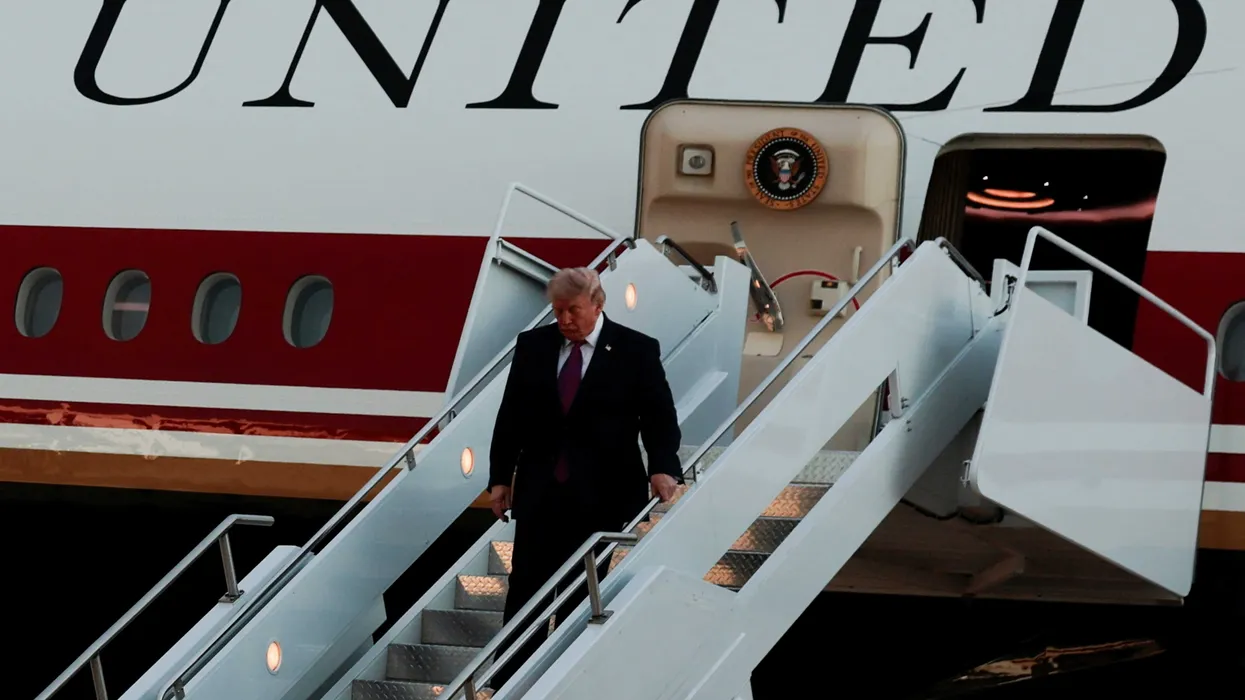
Former Republican strategist Steve Schmidt — a veteran of Senator John McCain's 2008 presidential campaign who has since become one of the most prominent conservative critics of the Trump administration — argued on Friday that a significant development in President Donald Trump's Iran war has gone largely underreported and could reshape the outcome of the November midterm elections.
Speaking on his podcast, The Warning, Schmidt discussed the widening fallout from the conflict in a conversation with Democratic Kentucky Governor Andy Beshear. Beshear, who won the governorship in a state Trump carried decisively, has been regarded as a rising voice in his party on kitchen-table and national-security issues. The two addressed how voters might respond to Trump and his administration at the ballot box this fall, and how a recent incident has altered the trajectory of the war.
"There is a momentous event that occurred this week that I think is underreported and commented on, which is that a Ukrainian drone struck an Iranian ship in the Caspian Sea, combining these two theaters of war," Schmidt said. The Caspian Sea, bordered by Iran, Russia, Azerbaijan, Kazakhstan, and Turkmenistan, has historically been outside the main arenas of the Ukraine and Middle East conflicts, making any cross-theater strike there a strategic signal to multiple regional powers at once. "What should the American people know about this moment in time and the danger we're facing?"
"The American people should know that Donald Trump and his foreign policy are absolute failures," Beshear responded. "He got us into a war of choice that has only made the country that we went to war with more powerful. Iran is more powerful today based on their control of the Strait of Hormuz than they were before this war started." The Strait of Hormuz is one of the world's most critical energy chokepoints, through which roughly a fifth of global oil consumption routinely transits, giving whoever controls or disrupts it outsized leverage over energy markets and shipping insurers.
Beshear criticized the president for launching a military engagement without a realistic or achievable objective, while simultaneously putting Americans at risk as the national deficit and debt continue to climb.
"This is not just bungling internationally. It is really damaging at home," Beshear said. "And he doesn't have a way out of it. And part of it is look at who he sent to negotiate. We have amazing people in the Foreign Service that spend decades understanding every nuance of every word that an Iranian negotiator would say at the table to put us in the best position to get a peace deal that prevents a nuclear weapon. But we don't send them."
Beshear specifically called out Trump's decision to dispatch real estate developer and Special Envoy Steve Witkoff, along with the president's son-in-law Jared Kushner — who previously led the administration's first-term Middle East portfolio culminating in the 2020 Abraham Accords — and Vice President JD Vance, whom Beshear described as "a vice president who is way out of his league just being vice president, much less trying to negotiate and failing to negotiate any lasting peace."
"It is bananas that foreign policy would be conducted this way and that the Senate and the House haven't stopped it and are allowing a president to just go to war and make decisions on his gut," Beshear added. The remark touched on a long-running constitutional tension: under the 1973 War Powers Act, presidents must notify Congress within 48 hours of introducing armed forces into hostilities and withdraw them within 60 days absent congressional authorization — a framework lawmakers in both parties have repeatedly debated and, critics argue, inadequately enforced in recent decades. "When we know our munitions are low, when we know our sailors have been on some of the longest deployments ever. It is the worst that you could ever potentially run a foreign conflict."
Source: Raw Story

