Expert Links 'Mystery Meat' Import Risks to a White House Meeting Tied to Melania Trump
Key Takeaways
- •The Trump administration announced a 90-day tariff waiver allowing up to 300,000 metric tons of imported ground beef into the US, framed as a measure to lower consumer prices.
- •Schlosser reported contamination risks in imported beef, including an anti-parasitic drug in Uruguayan beef and a banned antibiotic linked to blood disorders in Argentine beef.
- •In 2017, Brazilian police raided nearly 200 meatpacking plants over bribed inspectors, with rotten meat chemically masked and sold to hospitals, schools, and exported.
- •Schlosser attributed the import arrangement to a White House meeting with JBS owner Joesley Batista, a friend of Melania Trump who was jailed for paying $186 million in bribes to nearly 2,000 politicians.
- •After the White House meeting, JBS received SEC approval to list on the New York Stock Exchange, a privilege it had sought for nearly a decade.
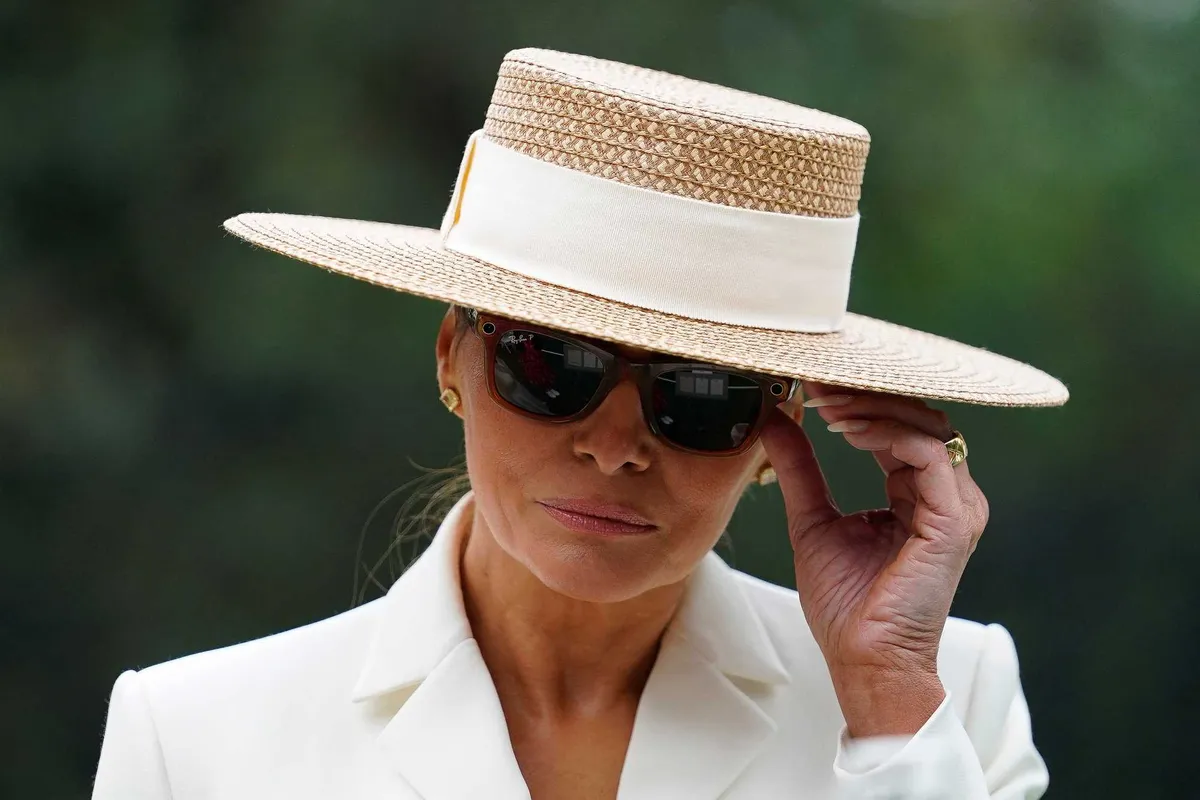
Americans may be exposed to anti-parasitic drugs and banned antibiotics in chunks of years-old, potentially rotten meat following a White House meeting granted to a controversial friend of Melania Trump, according to a new analysis.
Eric Schlosser, author of "Fast Food Nation," wrote an opinion piece for the New York Times on Monday in which he strongly warned Americans against President Donald Trump's 660 million pounds of inexpensive "mystery meat." According to Schlosser, the White House meeting is connected to how the import arrangement came about. Schlosser has spent decades investigating the industrial food system, and his 2001 book examined in detail how fast food supply chains source and process beef, giving his warnings particular weight in debates over meat industry regulation.
"They're small chunks of frozen meat that could have been kept in cold storage overseas for years," Schlosser wrote. "They are the quintessence of generic industrial meat, imported here to be subsequently processed in massive grinders that combine pieces of tens of thousands of cattle from multiple countries, mainly into fast food hamburgers."
Schlosser argued that the opaque sourcing of this meat creates risk because of problematic processing practices among meat exporters abroad. He reported that beef from Uruguay was found to be tainted with an anti-parasitic drug, while Argentinian beef has repeatedly tested positive for a banned antibiotic that can cause serious blood disorders.
Brazil, the world's largest beef exporter, presents an even more troubling record, Schlosser noted.
"In 2017, the Brazilian federal police raided nearly 200 meatpacking plants after allegations that government inspectors and politicians were being bribed to allow the sale of contaminated beef," Schlosser wrote. "Rotten meat treated with ascorbic acid and other chemicals to mask the contamination had been sold to hospitals and schools in Brazil and also been exported."
In August, Trump announced that the United States would allow up to 300,000 metric tons of imported ground beef into the country without the usual tariff for the next 90 days, claiming the move would lower prices for American consumers. The tariff waiver came amid broader administration efforts to reduce consumer food costs, which had remained a persistent political concern.
Schlosser argued, however, that the economics will not benefit American cattle ranchers or consumers, but rather meatpacking companies and fast food chains. Domestic rancher groups have historically opposed expanded beef imports on the grounds that they depress US cattle prices. That is why he issued a stark warning to his readers.
"If you want to eat a hamburger, I suggest going to your local butcher shop, rather than the supermarket, ordering cuts of American beef, and asking for them to be ground on the premises," he wrote. "Otherwise, there's really no way of knowing what's in your meat, or how many international borders it crossed to reach your plate."
So why did Trump strike this deal? Schlosser offered a theory: it stemmed from a White House meeting between Trump and Joesley Batista, the owner of meatpacking giant JBS, who was jailed in Brazil for paying $186 million in bribes to nearly 2,000 politicians. JBS is one of the largest meat processors in the world, operating across beef, pork, and poultry in multiple countries, which gives it significant leverage over global supply and pricing.
"Mr. Batista gained the White House meeting last November...because of his friendship with Melania Trump," Schlosser wrote. "Not long afterward, JBS got approval from the Securities and Exchange Commission to be listed on the New York Stock Exchange, a privilege the company had sought for almost a decade."
