Savannah Resources Secures Local Landowner Support for Barroso Lithium Project in Portugal
Key Takeaways
- •Savannah Resources signed three new land access and benefit-sharing agreements with communal land managers (baldios) for the Barroso lithium project in northern Portugal.
- •The $417 million project is designated as strategically important by the EU and has received a €110 million grant from the Portuguese government.
- •A definitive feasibility study outlines a 14-year mine life producing 183,000 tonnes of spodumene concentrate annually, with an after-tax net present value of $913 million and a 43% internal rate of return.
- •The company targets a final environmental licence in the third quarter of this year, a final investment decision by year-end, and production startup in 2028.
- •The feasibility study assumes a spodumene concentrate price of $1,500 per tonne, which is significantly above current spot prices that have fallen sharply due to oversupply from Australian and Chinese production.
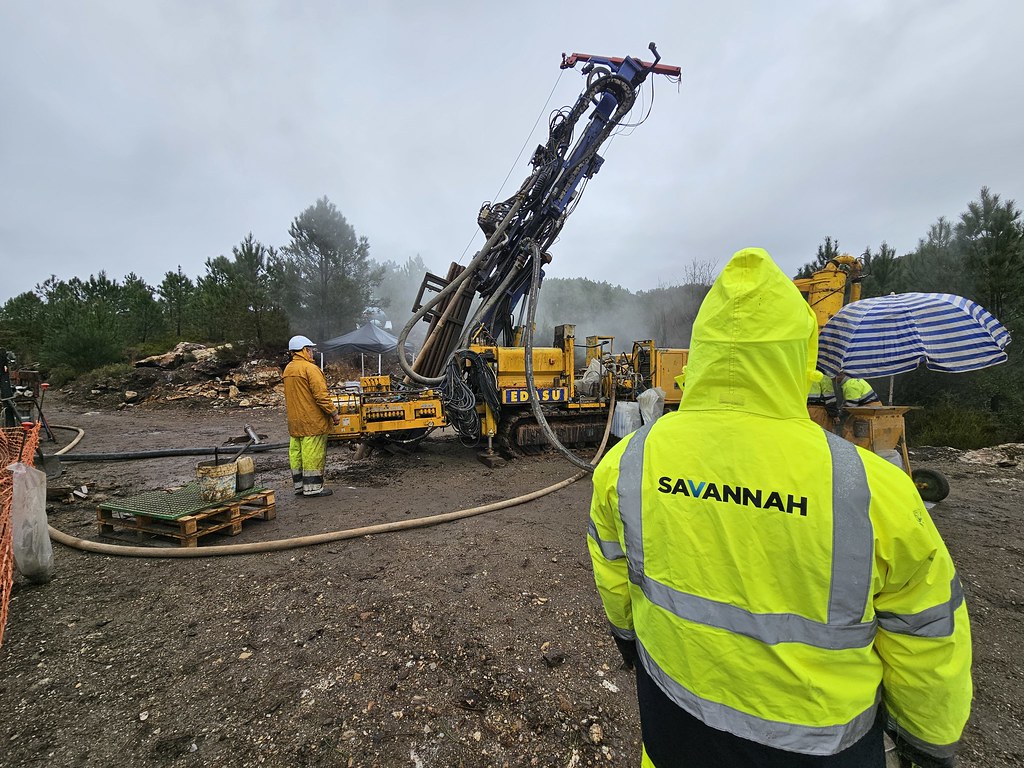
Savannah Resources (LSE: SAV) has secured new backing from local landowners in northern Portugal for the Barroso lithium project—Europe's largest—as the developer works to overcome years of community opposition ahead of a final construction decision.
The company announced Wednesday that it has signed three new benefit-sharing agreements with communal land managers, known as baldios, near Barroso. The project carries a capital expenditure of $417 million and has been designated as strategic by the European Union, which is seeking to reduce reliance on imported battery raw materials under its Critical Raw Materials Act. The legislation sets non-binding targets for the bloc to domestically source at least 10% of its annual consumption of strategic minerals by 2030.
Savannah reiterated its timeline: it expects to receive its final environmental licence in this year's third quarter, make a final investment decision by year-end, and begin production in 2028.
"This is not simply about securing access to land – it is about recognizing that the baldios belong to the communities that have managed them for generations, and that those communities have a voice in decisions and access a fair share of the benefits," CEO Emanuel Proença said in a release.
The agreements mark another step forward for a project that has faced delays from protests and legal challenges. While Lisbon and Brussels regard Barroso as central to building a European lithium supply chain, residents and environmental groups have opposed the mine over concerns about its impact on farming, water resources, and biodiversity. The Barroso region is recognized by the UN as a Globally Important Agricultural Heritage System.
Feasibility Study and Project Economics
Savannah's definitive feasibility study, released in July, outlined a 14-year operation producing an average of 183,000 tonnes of spodumene concentrate annually. The study estimated an after-tax net present value of $913 million, an internal rate of return of 43%, and a payback period of less than two years.
The company plans to develop four open-pit mines at Barroso, producing enough spodumene concentrate each year to supply batteries for approximately 500,000 electric vehicles.
The study placed Barroso in the second quartile of the global hard-rock lithium cost curve, with average life-of-mine operating costs of $473 per tonne of concentrate. Savannah said the project's economics are comparable to some of the world's most competitive spodumene mines. The feasibility study assumptions were based on a spodumene concentrate price of $1,500 per tonne—well above current spot prices, which have declined sharply from 2022 peaks amid oversupply from expanded Australian and Chinese production.
Environmental measures outlined in the plans include dry-stack tailings, a lined storage facility, and a water recycling system designed to reduce the project's environmental footprint and address some of the concerns that have driven local opposition.
Land Access Agreements
The new agreements include a land access and benefit-sharing deal with the Baldio of the villages of Alijó, Canedo, and Penalonga, covering Blocks A and C of the Aldeia mining concession. Savannah also amended its 2020 agreement with the Baldio of Couto de Dornelas, which manages land on and adjacent to the western end of the C-100 mining concession.
A third agreement, signed with the Secretariat of the Baldios of Trás-os-Montes and Alto Douro, establishes a technical and strategic partnership to manage and enhance approximately 100 hectares of Savannah-owned agroforestry land.
Savannah now holds land access agreements with two of the three baldios that manage land within the project's mining concessions. The agreements provide for community participation in project oversight bodies, local reinvestment of project benefits, and inflation-indexed rental payments.
The company said the partnership with the regional baldios secretariat will also support forest management and wildfire prevention—a significant concern in northern Portugal.
Share Performance and Government Backing
Shares in Savannah Resources rose a tenth of a pence to 6.2 pence on Wednesday in London before easing to close at 5.8 pence on Thursday, valuing the company at £149 million (C$280 million).
Earlier this year, the Portuguese government awarded Savannah a €110-million (US$128 million) grant to help advance Barroso, underscoring official support.
Portugal has long produced lithium for the ceramics industry but has yet to develop a large-scale battery materials sector. The country is already Europe's largest lithium producer by volume, though output is almost entirely low-grade material used in ceramics and glass rather than battery-grade concentrate.
Mineral Resources
Savannah increased the project's mineral reserve by 40% last year, strengthening the economics of what would become western Europe's first significant lithium mine.
According to a resource estimate issued in September, Barroso hosts 26.6 million measured and indicated tonnes grading 1.05% lithium oxide for 280,800 tonnes of contained lithium oxide. It also contains 12.4 million inferred tonnes grading 1.06% lithium oxide for 131,100 tonnes of contained lithium oxide.
The combined resource totals 39.1 million tonnes grading 1.05% lithium oxide for 411,900 tonnes of contained lithium oxide.

