Saudi Oil Exports from the Mediterranean Soar as Tankers Shuttle North to Avoid Houthis
Key Takeaways
- •Saudi Arabia's crude exports from Egypt's Mediterranean port of Sidi Kerir increased by about 33% in the month after the Houthis threatened Saudi oil shipments in the southern Red Sea and Bab el-Mandeb Strait.
- •Aramco's new shuttle service moves crude from Yanbu to Ain Sukhna, where the 320-kilometer SUMED pipeline, with a capacity of roughly 2.5 million barrels per day, transfers it to Sidi Kerir on the Mediterranean.
- •Shipments on the northern Red Sea leg have risen by about a third to 1.1 million barrels per day, and at least four tankers have completed the Yanbu-to-Ain Sukhna run at least twice, moving more than 16 million barrels.
- •Western ship operators, including South Korea's Sinokor, Norway's DHT Management, and Greece's Dynacom, have helped Aramco transport crude northward through the Red Sea.
- •The detour around the Cape of Good Hope adds nearly a month to Asian deliveries and ties up more tanker capacity per cargo, while some Asian refiners have asked Aramco to load their cargoes at Sidi Kerir.
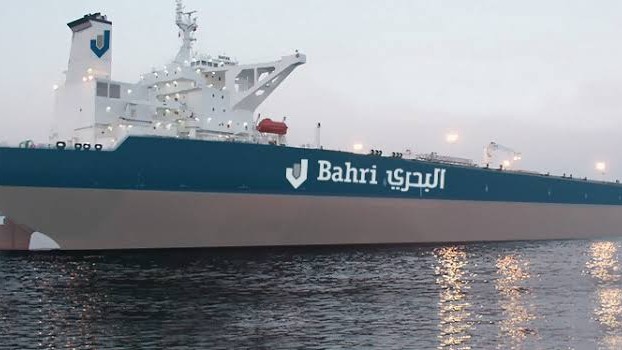
Saudi Arabia has increased its crude oil exports from Egypt's Mediterranean port of Sidi Kerir by about 33% in the month since the Houthis threatened Saudi oil shipments in the southern Red Sea and the Bab el-Mandeb Strait, tanker-tracking data compiled by Bloomberg showed on Friday.
The strait is one of the world's key oil transit chokepoints, with nearly 9 million barrels a day of crude oil and refined products passing through it in 2023, according to the U.S. Energy Information Administration.
To avoid the threat from the Iran-aligned Houthi group in Yemen — whose attacks on commercial vessels have disrupted Red Sea shipping since late 2023 — Saudi state oil giant Aramco, the world's single largest crude oil exporter, has begun shuttling oil from its Red Sea port of Yanbu, the export terminus of the kingdom's East-West pipeline, north toward Egypt. Western ship operators and owners, including South Korea's Sinokor, Norway's DHT Management AS, and Greece's Dynacom, have been helping Aramco move crude in a northern direction from the Red Sea, according to the data compiled by Bloomberg.
The newly established shuttle service runs from Yanbu to the Egyptian Red Sea port of Ain Sukhna, where the oil is discharged and loaded onto the SUMED onshore pipeline, which carries it to Sidi Kerir on the Mediterranean. The 320-kilometer (200-mile) conduit has long moved crude between the Red Sea and the Mediterranean and has a capacity of roughly 2.5 million barrels per day, well above the volumes now being run through it.
The new route — part of a broader re-routing of Saudi oil exports amid the Middle East conflict — has allowed Aramco to raise shipments on the northern Red Sea leg by about a third, to 1.1 million barrels per day (bpd), according to Kpler data cited by Bloomberg. At least four tankers have completed the Yanbu-to-Ain Sukhna journey at least twice in recent weeks, shipping more than 16 million barrels of oil, per the ship-tracking data monitored by Bloomberg.
From Sidi Kerir, cargoes continue through the Mediterranean and around the Cape of Good Hope at Africa's southern tip before reaching buyers in Asia — the same detour much of the world's container shipping and many tanker operators have taken since Houthi attacks on merchant vessels began in late 2023. That routing adds nearly a month to the time needed for Saudi oil supply to reach refiners in Asia, and because each voyage lasts weeks longer, it ties up more tanker capacity per cargo delivered than the direct Red Sea passage.
Reports emerged earlier this week that some Asian refiners had asked Aramco to pick up their crude oil cargoes at Sidi Kerir amid heightened risks to shipping safety in the southern Red Sea.
By Tsvetana Paraskova for Oilprice.com

