Saudi Crown Prince Mohammed bin Salman Privately Urges Trump to Halt Reported 'Unprecedented' Iran Strike Plan
Key Takeaways
- •Saudi Crown Prince Mohammed bin Salman directly urged President Trump to de-escalate and refrain from launching strikes against Iranian energy infrastructure during a private conversation.
- •The United States and Israel are jointly considering one of the most intensive bombing campaigns of the conflict, targeting Iranian energy facilities in retaliation for attacks on American military bases.
- •Saudi Arabia's appeal reflects broader Gulf state anxiety about being drawn into a direct U.S.-Iran confrontation that could undermine the 2023 Beijing-brokered rapprochement between Riyadh and Tehran.
- •Iranian Foreign Minister Abbas Araghchi stated that Iran is prepared for a potential American ground invasion and will reject any negotiations with Washington under current circumstances.
- •The five-month conflict has raised concerns that wider regional escalation could disrupt the Strait of Hormuz, through which approximately one-fifth of global daily oil supply transits.
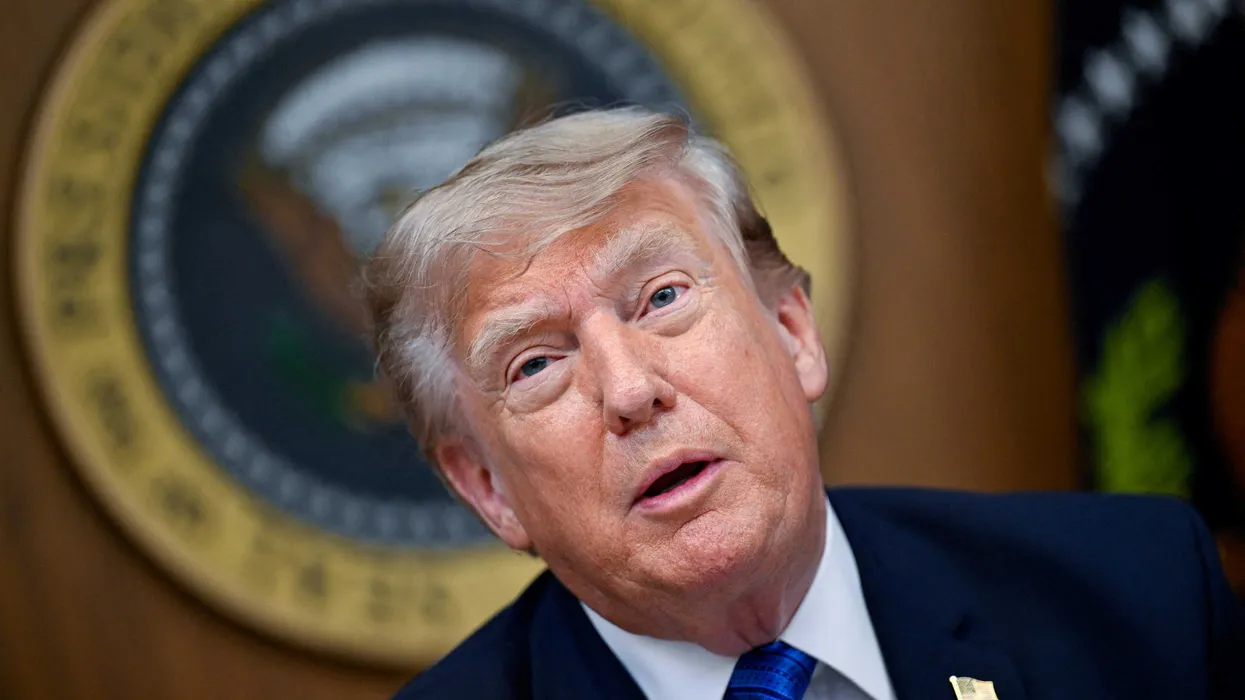
Saudi Crown Prince Mohammed bin Salman privately appealed to President Donald Trump on Saturday to refrain from authorizing an "unprecedented" attack on Iran, a strike that U.S. and Israeli officials are reportedly weighing, according to Axios.
The Trump administration, in coordination with Israeli officials, is contemplating what would amount to "one of the harshest bombing campaigns to date" against Iranian energy infrastructure, multiple sources familiar with the deliberations told CBS News. The prospective operation is being framed as retaliation for Iranian strikes on a U.S. military base in Jordan earlier this week.
Axios correspondent Barak Ravid reported that "such an attack could lead to an unprecedented escalation in the five-month war," potentially exposing U.S. regional partners to Iranian retaliatory strikes.
"The Saudis expressed concern and asked for clarity about the plan of action," a U.S. official told Axios. A second individual, described by the outlet as someone "with knowledge of the call," said bin Salman "urged Trump to de-escalate and refrain from launching the strikes."
The Saudi appeal underscores the deep anxiety among Gulf states about being caught in the crossfire of a direct U.S.-Iran confrontation. Saudi Arabia, which shares the Persian Gulf coastline with Iran and operates critical oil infrastructure within range of Iranian missiles, has long sought to balance its security partnership with Washington against the risk of Tehran's wrath. The kingdom's oil facilities were hit by missile and drone strikes in 2019, attacks widely attributed to Iran, highlighting the vulnerability that Gulf Arab states face in any broader regional conflict.
Saudi Arabia's appeal also reflects its delicate diplomatic position following the Beijing-brokered restoration of ties with Iran in 2023, a rapprochement that allowed Riyadh to pursue economic reforms and de-escalate regional tensions while maintaining its decades-long U.S. security partnership. A major U.S. strike on Iranian energy infrastructure would place that balancing act under severe strain, potentially drawing Gulf Arab states into a conflict they have spent years trying to avoid.
The reported strike planning follows a meeting between Trump and Israeli Prime Minister Benjamin Netanyahu, after which Iranian forces launched attacks on multiple U.S. bases across the Middle East. The conflict, now in its fifth month, has drawn in proxy groups and raised fears of a wider regional war engulfing Lebanon, Yemen, and the Strait of Hormuz. Roughly one-fifth of the world's daily oil supply transits the Strait of Hormuz, and any disruption there would have immediate global economic consequences.
Trump has consistently sought to reassure the American public about the trajectory of the conflict. In recent public remarks, he insisted the war is "going extremely well" and that Iran's military capabilities have been severely degraded, as assessed by PolitiFact. At the same time, the president has floated the possibility of a negotiated settlement, though without specifying a diplomatic framework.
Iranian officials, for their part, have shown no inclination to retreat. Foreign Minister Abbas Araghchi told NBC News that Iran is prepared for a ground invasion by American forces and would reject any negotiations with Washington under the current circumstances.

