Saudi Arabia Urges De-escalation Amid Reports of Planned Attacks as US-Iran Tensions Rise
Key Takeaways
- •Saudi Arabia has condemned reported attack plans and reaffirmed its dedication to peaceful conflict resolution amid rising US-Iran tensions.
- •Global financial markets have responded to the geopolitical uncertainty with declining US stock prices and rising oil costs.
- •The Strait of Hormuz, a narrow shipping lane transit point for roughly 20% of the world's daily oil supply, remains highly vulnerable to potential disruption.
- •Saudi Arabia's energy infrastructure has been targeted in previous regional conflicts, including the 2019 strikes on the Abqaiq and Khurais oil facilities.
- •Oman has historically served as a neutral intermediary between Washington and Tehran and may play a mediating role in future diplomatic engagements.
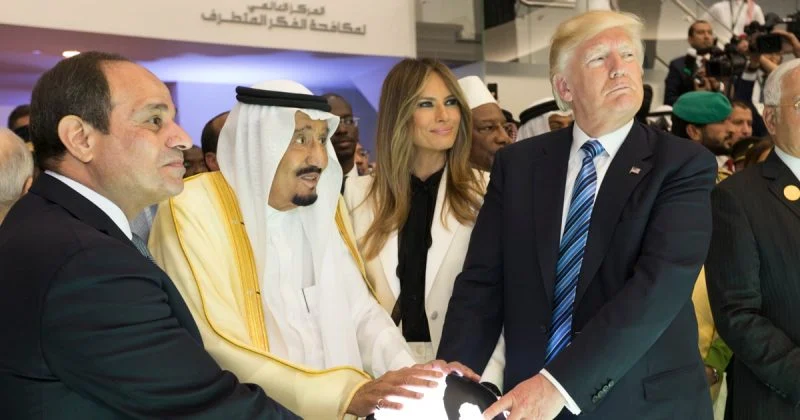
Saudi officials have expressed shock over reports of planned attacks, reiterating their commitment to de-escalation and peaceful resolutions amid escalating tensions between the United States and Iran.
The Saudi position aligns with broader international efforts to reduce hostilities in the Gulf region. Saudi Arabia, a key U.S. ally and major oil producer, has historically played a mediating role in regional conflicts and has consistently advocated for diplomatic solutions to disputes involving Iran. The current tensions come against the backdrop of long-running disputes over Iran's nuclear program, which have been a central driver of U.S.–Iran hostility since the U.S. withdrew from the Joint Comprehensive Plan of Action (JCPOA) in 2018.
Global markets have reacted swiftly to the ongoing geopolitical uncertainty. U.S. stock markets have declined, while oil prices have climbed, reflecting investor concerns about potential military escalation in the Gulf. These market movements underscore the sensitivity of energy markets to developments in the region, particularly given the strategic importance of the Strait of Hormuz, through which roughly one-fifth of the world's daily oil supply passes. Past spikes in U.S.–Iran tensions have repeatedly produced similar oil price movements, with markets typically recalibrating as diplomatic channels reopen.
The Strait of Hormuz, a narrow shipping lane between Oman and Iran at the mouth of the Persian Gulf, has long been a focal point of geopolitical tension. Disruptions to shipping through this chokepoint could have significant implications for global energy supplies and prices.
Reports of planned attacks have heightened concerns about the security of energy infrastructure and maritime shipping lanes in the region. Saudi Arabia's own energy infrastructure has been targeted in past regional conflicts, including the 2019 attacks on the Abqaiq and Khurais oil facilities, which temporarily disrupted a significant portion of the kingdom's oil production.
The Saudi stance on negotiations may influence the trajectory of ongoing diplomatic dialogues involving the U.S. and Iran. Oman, which has historically served as a neutral intermediary between Washington and Tehran, has previously hosted back-channel talks that contributed to the original 2015 nuclear agreement. Observers are closely monitoring the progression of U.S.–Iran diplomatic engagements, with particular attention to any developments expected before the end of August, which could signal whether the two sides are moving toward de-escalation or further confrontation.
Source: CryptoBriefing
