Ex-Trump Aide Says White House Press Ban Is Meant to Distract From 'Loss After Loss'
Key Takeaways
- •Sarah Matthews, who served as deputy White House press secretary in Trump's first administration, said the media access dispute is intended to distract voters from the affordability crisis and anger over policy failures.
- •Correspondent Peter Alexander said a White House rapid response post on X describing an event as pre-credentialed appears to signal a new press access rule, something he had never encountered across nearly 14 years covering three presidents and four administrations.
- •CNN, MS NOW, and Politico were allowed back into the White House, but the administration's post asserted that reporters are not entitled to unrestricted entry to every event or press call.
- •A judge ordered reporters readmitted to the briefing room, yet Matthews said she believes the White House is intentionally delaying compliance testing how much it can get away with, citing past defiance of court orders.
- •Matthews and Alexander framed the press restrictions and moves such as the Kennedy Center dispute as a 'flooding the zone' strategy to divert attention from prices, the Iran war, and the Federal Reserve's first interest rate hike in more than three years ahead of the midterms.
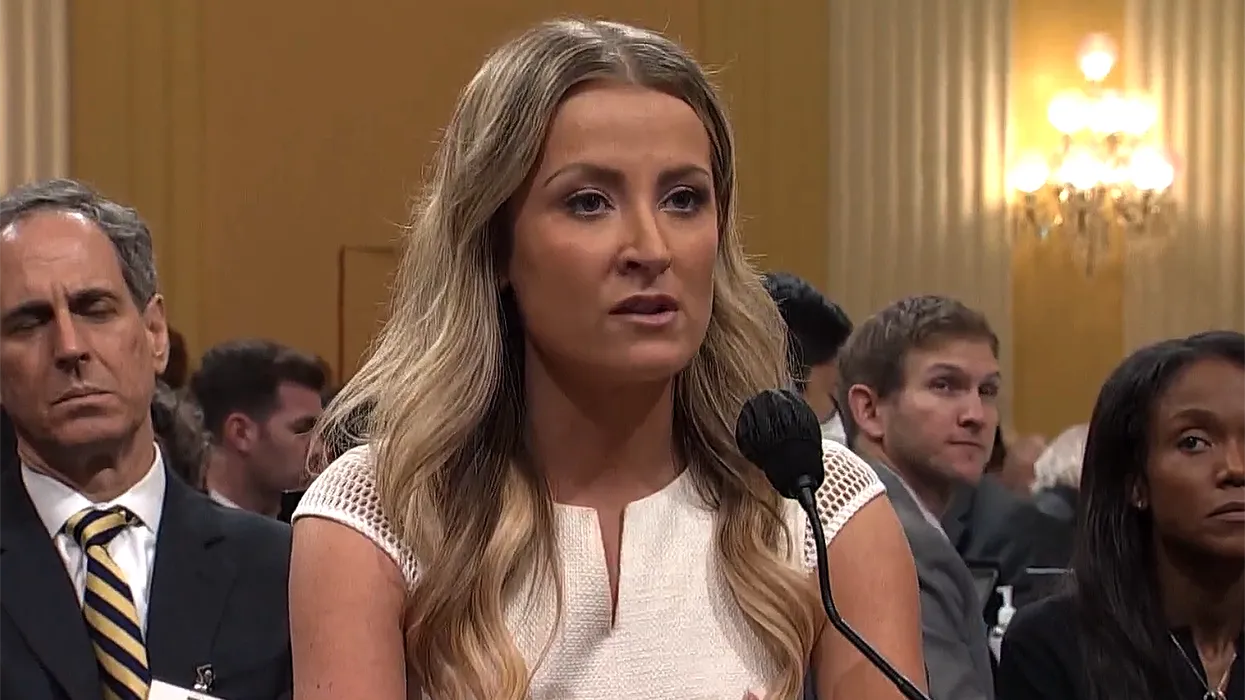
Sarah Matthews, who served as deputy White House press secretary during the first Trump administration, believes the standoff over media access reflects a familiar pattern. Drawing on her time "working for the guy" — which she recalled meant contending with a fire hose of comments and misinformation — she said that the more President Donald Trump can distract from the affordability crisis, the more he can also distract his own voters from anger over his policy failures.
During a Friday segment on MS NOW, correspondent Peter Alexander read a post on X from the White House's rapid response team. The post came after a producer noted that CNN, MS NOW and Politico had been allowed back into the White House.
"This is a pre-credentialed event. Contrary to what the Fake News wants you to believe, they don just get to have free rein into every part of the White House, every event and every press call," the account claimed.
It may explain why, as "Morning Joe" co-host Joe Scarborough revealed on Friday, Trump was reportedly asking where the press was during his event on Thursday evening. Alexander said the arrangement appears to be a new rule the White House is trying to institute.
"In close to 14 years covering the White House across three presidents, four administrations, I've never seen something like this before," he said.
Matthews said she believed the White House's continued efforts to block the press were intentional, even after a judge issued an order allowing reporters back into the briefing room. That room is where correspondents can put questions to administration officials on the record — and with Alexander describing what appears to be a new access rule taking shape, how fully the order is enforced has become the open question in the standoff.
"I think that the White House is pushing the envelope to see what they can get away with. And we've seen them before — defy court orders. So, it doesn't surprise me that they were dragging their feet on this and didn't want to let these reporters back onto the White House campus," she said.
She went on to say that she found it "hilarious to see President Trump then complaining about the lack of media coverage surrounding his China summit."
"The White House loves to say that President Trump is his own best messenger, but he's often his own worst enemy, too," she added, noting that he could not have picked a worse time to ban the press from the White House.
In her view, the move follows a pattern she likened to his imposing tariffs that worsened the affordability crisis and starting a war that increased fuel costs.
Alexander recalled that the president practiced what he called "throwing grenades" at the press while another issue unfolded in the background. He suggested that actions such as threatening to tear down the Kennedy Center and banning the media are all part of a grand strategy to distract Americans amid the economic crisis.
Matthews agreed, calling it a move "he has long used where he tries to make it impossible for everyone to keep up with everything. And you feel like you're often drinking from a fire hose. I know I felt like that even working for the guy. And so I can only imagine when you're an everyday, average American trying to keep up with the news cycle, you can't keep track of it all."
The tactic echoes what former Trump strategist Steve Bannon described as "flooding the zone," an approach in which he encouraged Trump to throw out as many "crazy things you can't keep up with" as possible so that no single story saturates Americans across all media.
"He would rather us be talking probably about his media ban or talking about him trying to rename the Kennedy Center, than us talking about the pocketbook issues that Americans are actually worried about heading into the midterm elections," Matthews continued. "He doesn't want us focused on prices or his war of choice with Iran, that there's seemingly no end in sight to, or how the Fed just raised interest rates for the first time in more than three years."
"He has been racking up loss after loss after loss. And so, yeah, he wants to distract us with these types of things," she said. "But that's why it's important that we bring up those issues and keep our eye on the ball heading into the midterm elections."

