SanDisk (SNDK) Shares Recover in Premarket After Post-Earnings Selloff
Key Takeaways
- •SanDisk reported quarterly earnings per share of $39.25, surpassing Wall Street's consensus estimate of $34.45 by 13.9%, while revenue of $8.97 billion topped the projected $8.39 billion and jumped dramatically from $1.9 billion in the year-ago quarter.
- •The company is shifting from short-term transactional sales to extended purchase agreements, currently holding eight contracts with six clients worth at least $93.9 billion and expected to cover roughly two-thirds of fiscal 2028 production capacity.
- •SanDisk's board approved a new $14 billion share repurchase program, bringing total remaining buyback authorization to $15.5 billion.
- •Despite several firms lowering their price targets, the overall analyst consensus remains at Buy with an average price target of $2,114.77, while the stock trades at approximately 17.1 times forward earnings.
- •The post-earnings selloff reflects a broader pattern across semiconductor stocks where high AI-driven expectations have made even strong beats insufficient to satisfy investors in the near term.
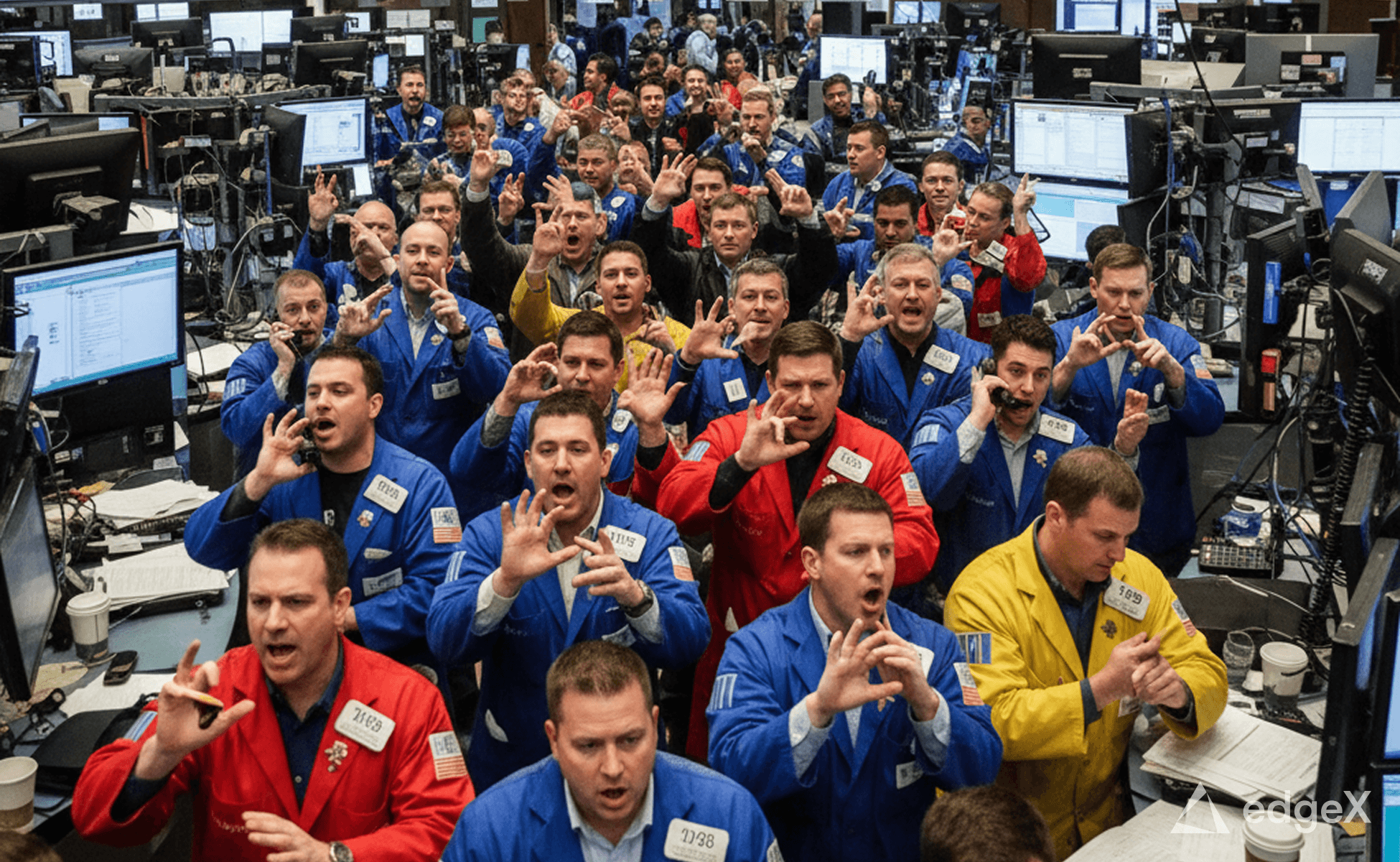
Shares of SanDisk (SNDK) rose 3.53% to $1,302.96 in Friday's premarket trading, recovering from a selloff that followed the company's quarterly earnings report on Thursday.
The prior session's decline caught many observers off guard, as the memory storage specialist delivered financial results that exceeded Wall Street expectations on multiple fronts. SanDisk reported earnings per share of $39.25, beating the consensus estimate of $34.45 by 13.9%. Revenue reached $8.97 billion, surpassing the projected $8.39 billion and marking a dramatic increase from $1.9 billion in the same quarter a year earlier.
The selloff was driven by investor attention on the company's cautious near-term revenue outlook and concerns over margin sustainability amid ongoing transformation in the memory sector. The post-earnings pullback reflects a pattern seen across semiconductor stocks in recent quarters, where strong AI-driven demand has elevated investor expectations to levels that even robust beats have struggled to satisfy.
Strategic Shift Toward Long-Term Contracts
In an interview with Reuters, CEO David Goeckeler described SanDisk's strategic pivot from short-term transactional sales toward securing extended purchase commitments. These agreements typically have a median duration of four years. The shift mirrors a broader industry trend in which memory and chipmakers are locking in multiyear supply agreements with hyperscale data-center operators racing to build out AI infrastructure, reducing the volatility that has historically characterized memory pricing cycles.
SanDisk currently holds eight such agreements spanning six clients, with a combined value of at least $93.9 billion. Management expects these contracts to cover 50% of fiscal 2027 production capacity and roughly two-thirds of fiscal 2028 output.
Since April, SanDisk has signed five additional agreements—three with new clients and two extensions with existing partners.
Separately, the company's board approved a new $14 billion share repurchase program, bringing total remaining buyback authorization to $15.5 billion.
Analyst Reaction Remains Broadly Positive
Despite the volatile market reaction, analyst sentiment stayed largely constructive.
Evercore ISI lowered its price target to $2,800 from $3,100 but maintained its Outperform rating, noting that anticipated gross margins of 83%–85% exceeded Street expectations and highlighting the improved demand visibility from long-term customer agreements.
Morgan Stanley kept its Overweight rating and $1,750 price target, citing sustained NAND demand strength. Wedbush maintained its Outperform rating with a $2,000 target, suggesting management may be taking a conservative approach to forward guidance.
Jefferies cut its target to $1,750 from $3,000. Goldman Sachs attributed part of the stock's decline to elevated investor expectations heading into the report and cautioned that the tempered outlook could pose headwinds for Micron (MU), SanDisk's larger rival in memory chips.
On the more conservative side, RBC Capital maintained a Sector Perform rating while raising its target to $1,300. Wells Fargo retained its Equal-Weight rating and lowered its target to $1,400. Citigroup kept its Buy recommendation but reduced its target to $2,100.
The overall analyst consensus remains at Buy, with an average price target of $2,114.77. The stock trades at approximately 17.1 times forward earnings.
Technical Indicators and Broader Market Context
From a technical standpoint, SNDK trades roughly 49% above its 200-day simple moving average, though it remains 9% below its 20-day SMA and nearly 24% below its 50-day SMA. Key support is identified near $1,277.50. The MACD indicator continues to trade above its signal line, indicating diminishing downward pressure.
Benzinga Edge assigns SNDK a Momentum Score of 99.87 and a Value Score of 22.15.
Broader market conditions provided support on Friday morning, with Nasdaq futures rising 0.48% and S&P 500 futures climbing 0.19%. Investors will be watching whether SNDK's premarket recovery holds through the regular session, as well as any further commentary from management on the pace of new contract signings and the competitive dynamics with Micron heading into the next reporting cycle.

