Samsung Wallet Adds USDC Stablecoin Accounts on Solana for U.S. Galaxy Users
Key Takeaways
- •Samsung Wallet now supports Circle's USDC on the Solana blockchain for eligible Galaxy users in the U.S., reaching roughly 82 million compatible devices.
- •The service was built with Bastion supplying account infrastructure and Coinbase safeguarding user balances as sub-custodian through its Coinbase Prime Vault.
- •Users can send USDC to other Samsung Wallet users and compatible external wallets without a Samsung fee, with payouts available to bank accounts in more than 60 countries.
- •Credit card top-ups, including through Samsung Pay, carry a 4% fee, and New York residents are excluded from the service due to the state's BitLicense regime.
- •Samsung said it expects to explore online and in-store stablecoin payments and expand the service to additional markets, subject to local regulation.
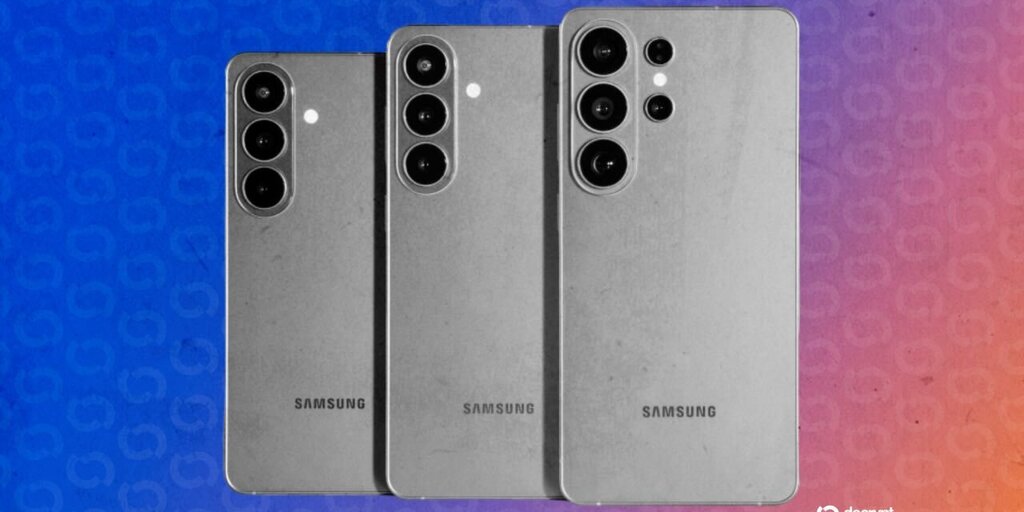
Samsung Wallet has launched stablecoin accounts for eligible Galaxy users in the United States, bringing Circle's USDC on the Solana blockchain into the same app where customers already keep their credit cards and boarding passes.
The feature went live on Thursday, allowing users to buy, hold, send, and receive the dollar-pegged stablecoin without downloading a separate crypto app or managing private keys. According to the announcement, it reaches roughly 82 million compatible Galaxy devices across the U.S. — a distribution footprint that reflects Samsung's position as one of the world's largest smartphone makers.
USDC is a stablecoin pegged to the U.S. dollar and issued by Circle, and it ranks among the largest dollar-pegged tokens in circulation. Like other stablecoins, it settles transfers on public blockchains at any hour, without banking cut-off times — a property that has made such tokens a common tool for payments and cross-border transfers. The launch also follows the GENIUS Act, signed into law in July as the first federal framework for payment stablecoins, which set reserve and licensing requirements for issuers.
Built with Bastion and Coinbase
The service was built with Bastion, a licensed stablecoin custodian and infrastructure provider, alongside Coinbase, which safeguards users' USDC as Bastion's sub-custodian through its Coinbase Prime Vault. In practice, Coinbase holds and protects the stablecoin balances behind the scenes while Bastion supplies the underlying account infrastructure. Samsung's disclosures stress that the account is a crypto wallet, not a bank account.
No Samsung fee on transfers
Users can send USDC to other Samsung Wallet users in the U.S. and to compatible external crypto wallets without paying a Samsung transfer fee, though other providers may charge one. The service also supports payouts to qualifying bank accounts in more than 60 countries, where recipients may receive funds in local currency; fees vary by destination. Traditional cross-border remittances have long carried steep costs — the World Bank has tracked the global average at roughly 6% of the amount sent — a benchmark stablecoin issuers routinely cite when promoting blockchain-based payouts.
Topping up with a credit card, including through Samsung Pay, carries a 4% fee, and withdrawals to a bank account or debit card also come with a charge. As an incentive, new users who make a first top-up of $50 or more can receive $25 in USDC.
The service requires devices running Android 13 or later and is open to U.S. residents aged 18 and older, with residents of New York excluded. New York's Department of Financial Services administers the BitLicense, a dedicated virtual currency license that has historically kept several national crypto services out of the state.
How the rollout came together
Samsung first announced the feature on Oct. 7, when the electronics giant tapped Solana for USDC transfers. Samsung Wallet had teased plans to support the stablecoin over the summer.
"For a decade, stablecoins have proved the technology works," said Lily Liu, president of the Solana Foundation. "What they lacked was a way to reach the mainstream."
Woncheol Chai, who leads the digital wallet team within Samsung's mobile business, framed the launch as an effort to give mainstream users the benefits of stablecoins without the complexity of traditional crypto tools.
"Stablecoins have the potential to make moving money around the world faster and easier, and we want Galaxy users to be able to take advantage of that without having to navigate the complexity of traditional crypto tools," Chai said. "Solana helps us bring that experience to Samsung's scale."
What comes next
Samsung said it expects to explore online and in-store stablecoin payments and to expand the service to additional markets, subject to local regulation. Whether those payment integrations arrive and which additional markets clear their own regulatory bars are the concrete next steps to watch as the service moves beyond its U.S. debut.

