Ransomware Group n0n Leaks 150,000 Samsung Smart TV Viewing Records and Political Ad Data
Key Takeaways
- •The largest leaked dataset holds roughly 150,000 smart TV viewing events from 2024, covering timestamps, viewing durations, device information, cities, ZIP codes and service provider names, though not the specific programmes users watched.
- •Additional leaked data includes about 42,600 political advertising records from September and October 2026, roughly 99,100 AI advertising model training records from 2021, and internal documents exposing an employee's name and email address.
- •Samsung, the world's largest TV brand with 29.1% global revenue share in 2025, has not responded to the breach claims, which follow earlier privacy disputes including a Texas lawsuit over its Automated Content Recognition technology.
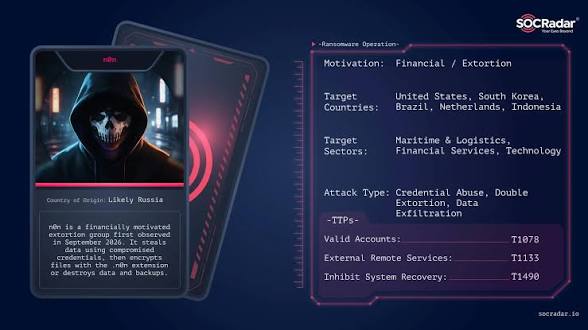
- •The n0n group has been linked to 365 ransomware victims, including Visa and JPMorgan Chase, and cybersecurity firm SOCRadar found its intrusions relied on compromised credentials, exposed cloud keys and vulnerable remote-access systems, with signs it uses AI coding agents to build attack tools.
- •The publication follows the double-extortion playbook, in which stolen data is released after a payment deadline expires to escalate pressure on the targeted company.
Leaked files from an alleged breach of Samsung Electronics appear to confirm that the company's smart TVs collect viewing data and transmit it to Samsung's data centres. A ransomware group known as n0n has allegedly dumped 220MB of the material on the dark web.
The group published the files on its leak site after a countdown timer expired, according to Cybernews, whose researchers examined them. Samsung, the South Korean tech giant, has yet to comment on the claim.
What the leaked Samsung smart TV files show
The largest dataset holds about 150,000 smart TV viewing events from 2024. Researchers found timestamps, viewing durations, device information, cities, ZIP codes and TV service provider names. The records do not reveal what individual users watched, but they expose the viewing patterns collected from the devices. For consumers, the dump offers a rare, concrete look at what "viewing data" means in practice: not programme names, but a running log of when, how long and roughly from where a television has watched.
A second dataset contains roughly 42,600 records on political advertising aired between September and October 2026, along with one political advertisement video. It lists political affiliations, issues discussed, sponsors, estimated costs and timestamps, offering a closer look at how much political groups spend and on which issues.
Cybernews also identified about 99,100 records tied to AI advertising model training from 2021, made up mainly of embedding vectors — mathematical representations of training data. Two internal documents surfaced as well: one carries an employee's full name and email address, while the other is an access questionnaire for what appears to be the company's Content Data Warehouse. Exposed staff details and internal access paperwork are a routine secondary risk in breaches, often handing intruders ready-made material for phishing and follow-on attacks.
Samsung's global footprint
Samsung is the world's biggest TV brand by revenue share, holding 29.1% of the global market in 2025, according to Omdia data published by the company. At that scale, the data practices described in the leak — if confirmed — would concern a large share of the world's TV households rather than a niche device category. It also sells smart TVs in Nigeria, though nothing in the leaked files, as described by Cybernews, indicates that Nigerian users are affected.
Not the first privacy scare
The alleged breach is not Samsung's first brush with privacy controversy. The company was previously sued in Texas over allegations that it collected personal data through its Automated Content Recognition (ACR) technology. Proton, a Swiss privacy company, has also warned about the privacy risks of smart TVs, noting that such data is reportedly shared with more than 400 partners for targeted advertising.
In 2025, about 270,000 Samsung Germany customer support tickets were dumped online, exposing names, email addresses, home addresses and order details. Cybersecurity firm Hudson Rock linked that breach to credentials stolen in 2021 that were never rotated — a reminder of one of the industry's most persistent weak points, where a single set of compromised credentials can leave a door open years later.
Who is n0n, and who else has it hit?
The gang drew researchers' attention in mid-September. Cybersecurity firm SOCRadar traced its intrusions to compromised credentials, exposed cloud access keys and vulnerable remote-access systems, and found signs that it uses AI coding agents to build its attack tools.
Ransomnews, which tracks ransomware victims, has recorded 365 victims linked to n0n, including CarNow, Patagonia and Wise Advisory Group.
The group's boldest claims have targeted finance. It listed Visa and JPMorgan Chase on its leak site with a 48-hour payment deadline. Visa said a third-party provider was hit but that its own systems were untouched, with no sign that card data was exposed. Chase later confirmed that vendors had been attacked and that marketing data, which may include customer names and emails, was accessed.
Cybernews counted about 16,000 email addresses, apparently tied to Chase's Reserve card programme, in the files n0n published. The bank has not confirmed that figure. n0n has also listed Mastercard, Walmart and Starbucks among its targets, and recently leaked over 500MB of Expedia customer data.
The countdown-then-publish routine on display here fits the double-extortion playbook common across ransomware: steal data, set a public deadline, and release it to escalate pressure when payment does not arrive. With the files now public and Samsung yet to respond, whether the company confirms or disputes the dump — and what it says about how TV viewing data is handled — is the next thing to watch.

