Samsung Positions Smart Glasses as Smartphone-Linked Wearable to Compete With Meta
Key Takeaways
- •Samsung showcased four non-display smart glasses models at Galaxy Unpacked 2026, developed in collaboration with eyewear brands Gentle Monster and Warby Parker.
- •The glasses employ a split computing architecture where lighter processing occurs on-device while demanding tasks such as AI translation and navigation are offloaded to connected smartphones.
- •Samsung applied smartphone-grade durability standards including drop testing and hinge reliability checks, and created more than 20 additional testing methods specific to the smart glasses.
- •Approximately 10 percent of Samsung's over 200 smart glasses patents are dedicated to privacy and protection technologies, including features that block recording when the indicator light is covered.
- •Samsung plans to initially position the glasses in the premium price range as it enters a non-display smart glasses market currently dominated by Meta.
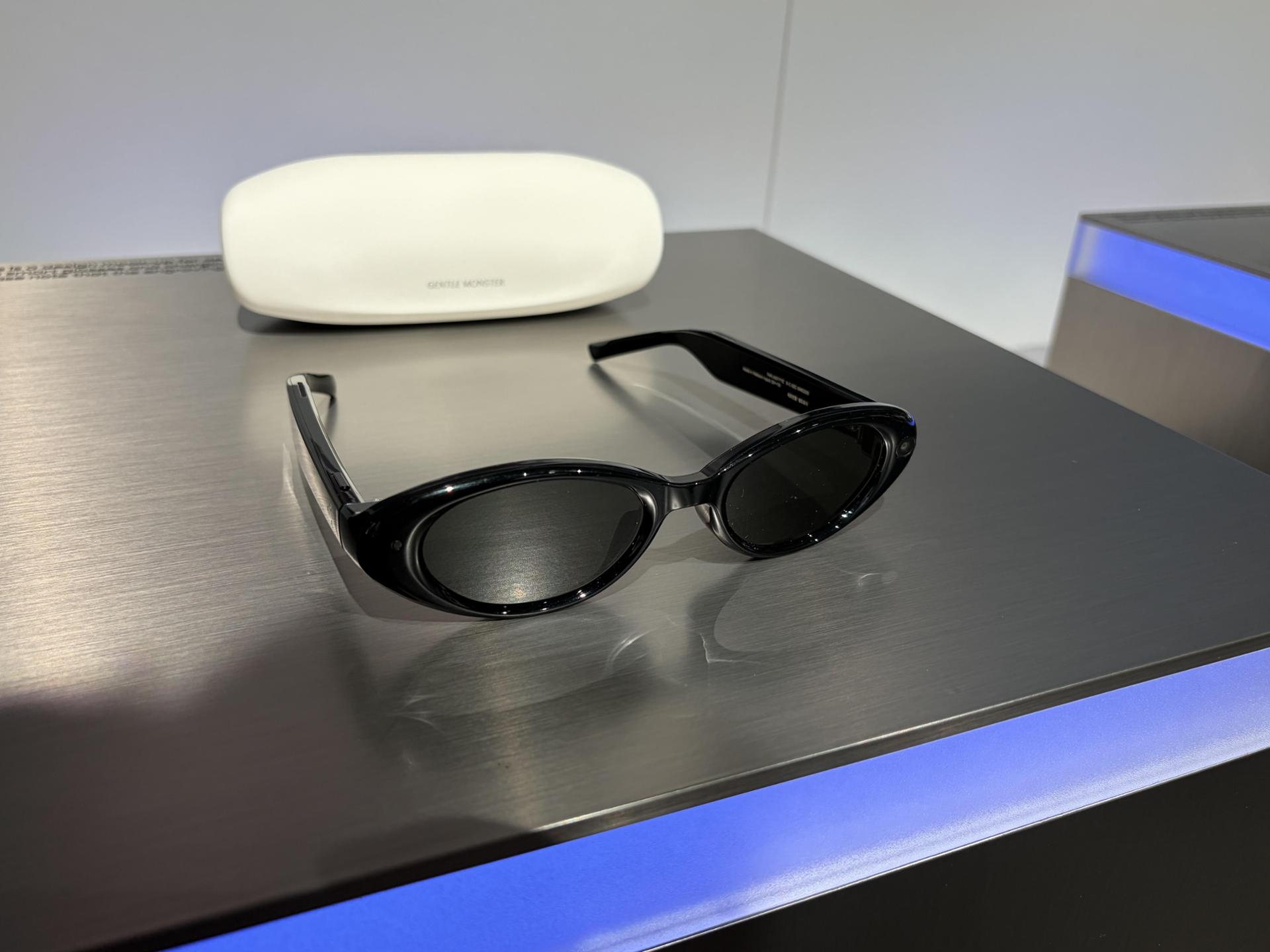
Samsung Electronics is seeking to differentiate its upcoming smart glasses from competing products by presenting them as a “wearable device made by a smartphone specialist,” emphasizing the company’s mobile-device expertise as it prepares to enter a market currently led by Meta.
Speaking at a press briefing in London on Thursday after Galaxy Unpacked 2026, Choi Jae-in, head of Samsung Electronics’ Extended Reality Research & Development Team, said Samsung’s smart glasses are not designed to replace smartphones. Instead, he described them as a new wearable device intended to expand the mobile experience.
“Smart glasses are an extension of the experience centered on the smartphone, rather than being a post-smartphone device,” Choi said.
“Running artificial intelligence (AI) effectively requires significant computing power, but packing all the necessary chips into a pair of glasses makes it difficult to deliver a lightweight and comfortable experience that smart glasses should provide. … That's where our technological strength lies. As the first major smartphone brand to enter the smart glasses market, we have a lot of things to offer (to the market).”
At Galaxy Unpacked 2026, held at Old Billingsgate in London, Samsung showed four smart glasses models. Two were developed in collaboration with Gentle Monster, and two were developed with Warby Parker. The company did not provide detailed specifications and did not allow attendees to try on the devices.
Samsung said only that the products are voice-based, non-display smart glasses powered by Qualcomm’s wearable chipset, and that they can run for up to nine hours on a single charge. In that category, the product experience depends less on visual overlays and more on audio, cameras, voice interaction, AI services and phone connectivity, making ecosystem integration a central part of how the devices are used.
Choi also avoided describing the glasses through detailed numerical specifications. However, he said Samsung has secured more than 200 patents over several years of development, with some of those patents applied to models scheduled to launch later this year.
According to Choi, a major distinction for Samsung’s smart glasses is what he called “mobile-grade quality assurance.” Samsung applied durability and reliability standards used for smartphones, including drop testing, resistance to harsh outdoor environments, and resistance to chemicals such as sunscreen and cosmetics. The company also used hinge durability testing that draws on technologies developed for its foldable smartphones.
Samsung additionally created more than 20 new testing methods specifically for the smart glasses, Choi said.
The glasses were designed as an extension of the smartphone experience rather than as a standalone product. Choi said Samsung uses “split computing,” under which lighter data is processed within the glasses while more demanding tasks are handled by connected smartphones. Those heavier tasks include image post-processing, AI-based translation and navigation, using the smartphone’s memory and graphics processing unit resources.
The smart glasses are also built to connect closely with other smartphones and devices, particularly within the Galaxy ecosystem. Choi said a Galaxy Watch can be used as a controller for taking photos, controlling music and answering calls through gestures such as a double pinch.
Audio can automatically switch from the glasses’ open-ear speakers to Galaxy Buds when the earbuds are worn. Samsung and Google apps, including Samsung Notes, Gmail and Google Maps, can also be accessed through the device.
While Meta currently dominates the global market for non-display smart glasses, Choi said Samsung is pursuing “a different approach and a different technological direction.” He said the company has concentrated on reducing weight and improving comfort, because smart glasses must be easy to wear for extended periods throughout the day.
That emphasis reflects one of the practical challenges for smart glasses makers: the devices must combine electronics, batteries and sensors with frames that consumers are willing to wear in ordinary settings. Samsung’s partnerships with Gentle Monster and Warby Parker also point to the role eyewear design plays alongside hardware performance.
On pricing, Choi said Samsung needs to set the product at “a reasonable level,” but added that “it should initially be positioned in the premium range,” given the technology and quality of the glasses.
Choi also said Samsung considers privacy and misuse prevention to be as important as hardware innovation. The company has developed technologies intended to prevent users from intentionally bypassing existing safeguards. These include blocking recording when the indicator is covered or when the user is not wearing the glasses on the face.
About 10 percent of Samsung’s patents related to smart glasses focus on privacy and protection technologies, Choi said. He added that Samsung expects such measures to become increasingly important as smart glasses see broader adoption. With specifications, availability and hands-on performance still undisclosed, those details remain key pieces of information for assessing how Samsung’s smartphone-linked approach compares with existing non-display smart glasses.

