Samsung, SK hynix Retain Top Spots in Global NAND Market in Q2
Key Takeaways
- •The global NAND flash market grew 70 percent quarter-on-quarter in Q2, after a 90 percent increase in Q1, according to Counterpoint Research.
- •Samsung Electronics remained the top NAND supplier with a 28 percent market share, and SK hynix stayed second with 19 percent.
- •Micron Technology ranked third in the NAND market, benefiting from higher selling prices.
- •China's YMTC reached a 14 percent market share with higher-than-expected revenue, expanding despite U.S. export restrictions on advanced Chinese chipmakers.
- •The recovery follows a prolonged downturn during which NAND makers had cut production to shore up their finances.
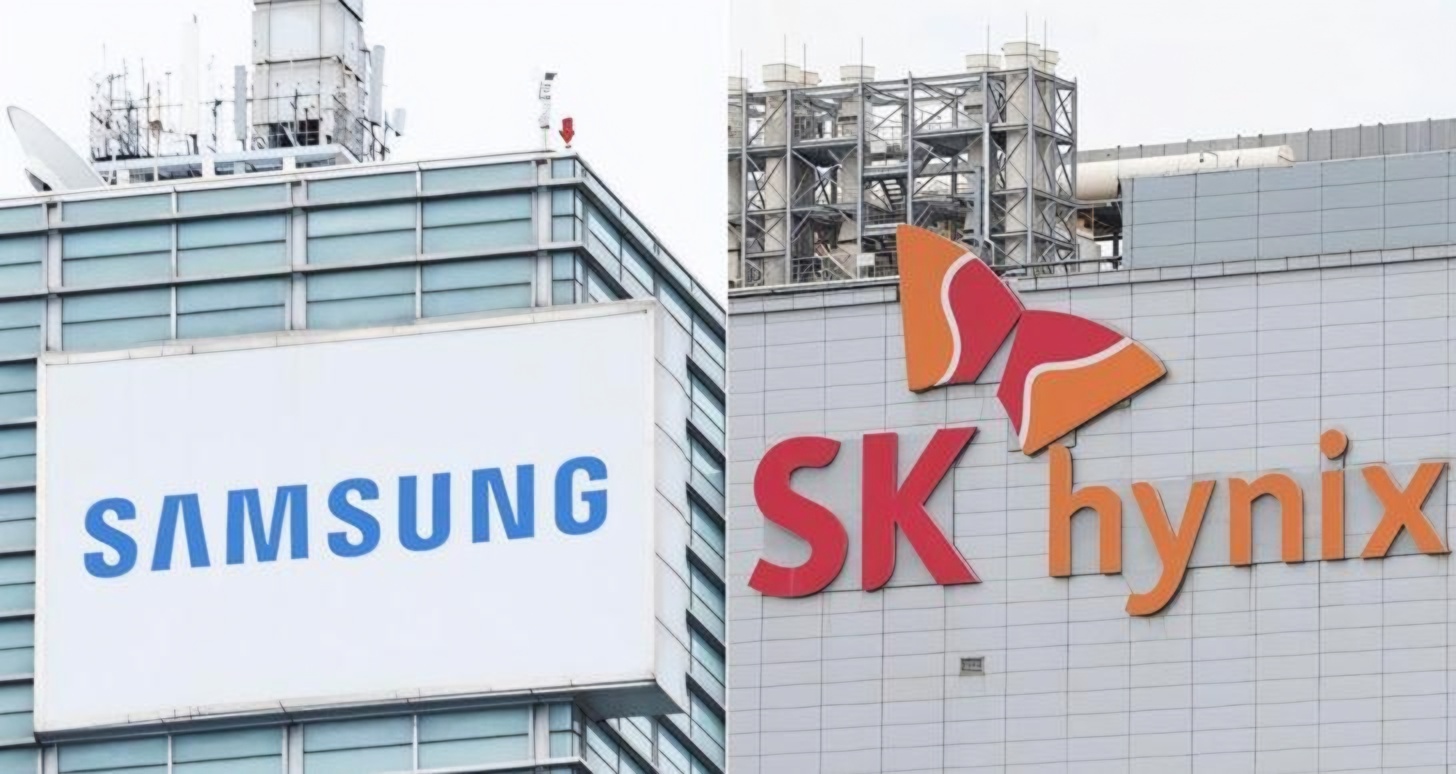
Korean chipmakers Samsung Electronics and SK hynix held on to their positions as the top two players in the global NAND flash memory market in the second quarter, as the market continued its rapid expansion, industry data showed Friday.
The NAND market grew 70 percent in the April-June period compared with the previous quarter, driven by rising prices, according to data compiled by industry tracker Counterpoint Research. The growth came on top of a 90 percent quarter-on-quarter increase in the first quarter, underscoring a sustained recovery in demand for the memory chips, which are widely used in smartphones, personal computers, data centers, and other electronic devices.
The rebound in memory pricing follows a prolonged downturn in the sector, during which NAND makers cut production to shore up finances, making the back-to-back quarters of sharp revenue growth a notable turnaround for suppliers.
Samsung Electronics maintained its No. 1 position with a 28 percent market share in the second quarter, while SK hynix ranked second with a 19 percent share.
U.S.-based Micron Technology Inc. ranked third, benefiting from higher selling prices.
China's YMTC, formally known as Yangtze Memory Technologies Co., posted higher revenue than expected, with its market share reaching 14 percent during the cited period. Its continued gains in share come as China's domestic semiconductor industry expands despite U.S. export restrictions targeting advanced Chinese chipmakers.
Source: The Korea Times
