Samsung SDI Returns to Profit in Q2 on Strong Battery Sales
Key Takeaways
- •Samsung SDI posted second-quarter net income of 471.6 billion won, reversing a 166.7 billion won loss from the same period a year ago.
- •Revenue grew 18.5 percent year-on-year to 3.76 trillion won, while operating income reached 203.8 billion won compared to an operating loss of 397.8 billion won previously.
- •The earnings substantially surpassed market expectations, as analysts surveyed by Yonhap Infomax had forecast an average net profit of 105.7 billion won.
- •Grid-scale energy storage demand emerged as a particularly strong growth driver, complementing improving EV battery demand as industry-wide destocking subsides.
- •Samsung SDI is building a joint-venture battery plant with Stellantis in Indiana targeting 2025 production and has announced plans for a second U.S. facility to serve the North American EV market under Inflation Reduction Act requirements.
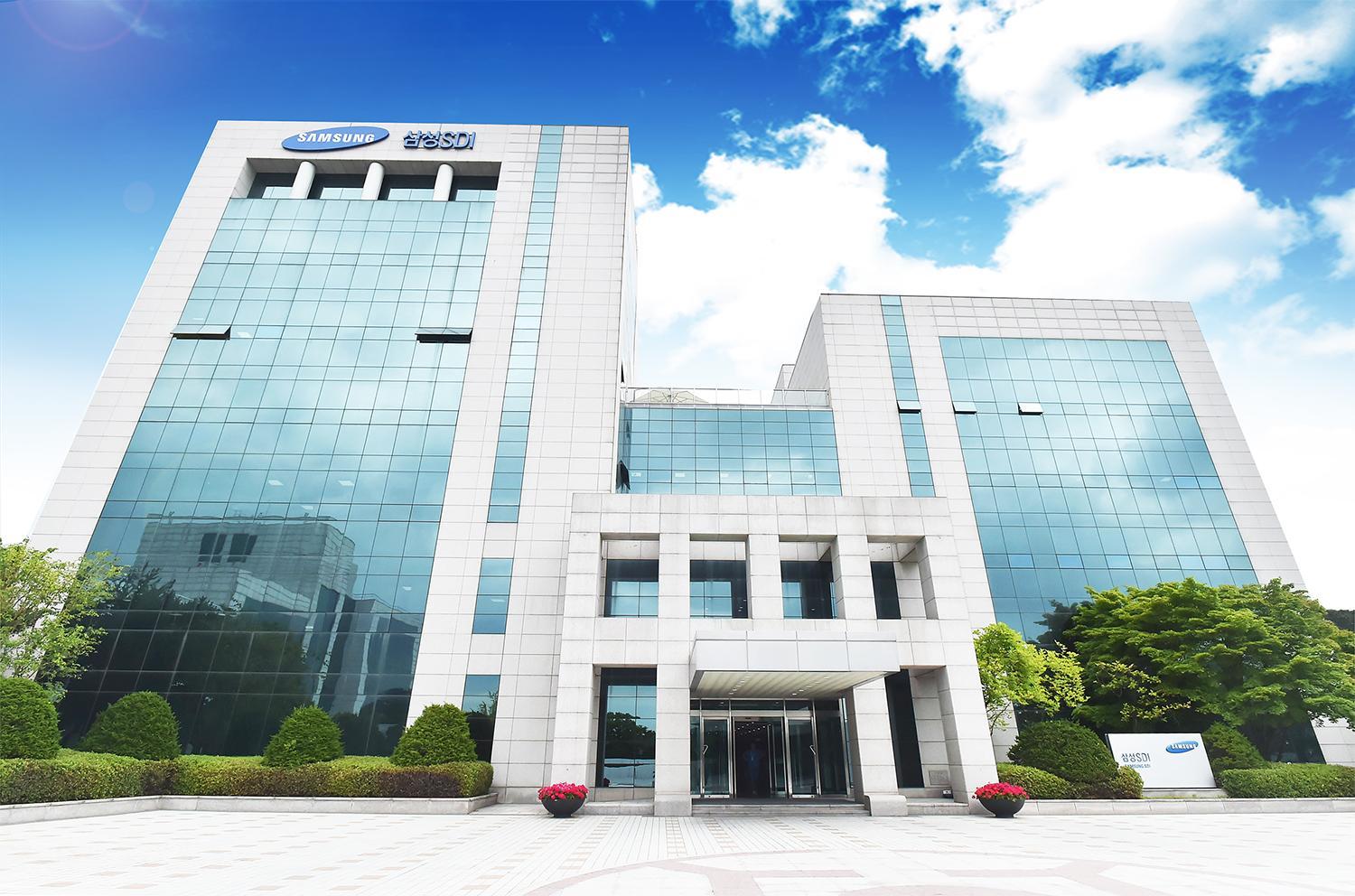
Samsung SDI reported a sharp return to profitability in the second quarter, posting net income of 471.6 billion won ($327 million) and reversing a loss of 166.7 billion won recorded in the same period a year earlier.
The Suwon-based battery and electronic materials manufacturer, a subsidiary of the Samsung Group, disclosed its results in a regulatory filing on Thursday. Operating income for the April–June quarter came in at 203.8 billion won, a significant improvement from an operating loss of 397.8 billion won a year ago. Revenue climbed 18.5 percent year-on-year to 3.76 trillion won.
The earnings exceeded market expectations. The average analyst estimate for second-quarter net profit had been 105.7 billion won, according to a survey conducted by Yonhap Infomax, the financial data arm of Yonhap News Agency.
Samsung SDI is one of the world's leading manufacturers of lithium-ion batteries, supplying prismatic and cylindrical cells for electric vehicles (EVs), energy storage systems (ESS), and consumer electronics. The company ranks among the top global battery producers alongside China's CATL and BYD and Korea's LG Energy Solution and SK On. It also produces electronic materials, including semiconductor materials and OLED components. It is listed on the Korea Exchange under the ticker 006400.
The company's return to profit follows a challenging period marked by weak EV battery demand and inventory adjustments across the global battery supply chain. Rivals LG Energy Solution and SK On also reported sequential earnings improvements in recent quarters, reflecting a broader recovery pattern across the Korean battery industry as destocking runs its course. The second-quarter results suggest improving conditions as Samsung SDI benefits from growing demand for both EV and ESS batteries, with grid-scale energy storage emerging as a particularly strong driver amid global expansion of renewable power capacity.
Samsung SDI is constructing a joint-venture battery plant with Stellantis in Kokomo, Indiana, targeting production start in 2025, and has announced plans for a second U.S. plant, positioning the company to supply the North American EV market under the supply-chain requirements of the U.S. Inflation Reduction Act.

