Samsung Electronics Plans Record Shareholder Return of Up to $79.6 Billion
Key Takeaways
- •Samsung's board approved a 2026 shareholder-return plan estimated at 90 trillion won to 110 trillion won.
- •The package includes about 30 trillion won in cash dividends scheduled for the third quarter, with final details due in late October.
- •The plan would be the largest shareholder payout ever announced by a South Korean company and far exceed Samsung's previous annual record.
- •Samsung's chip division reported a record 89.2 trillion won in operating profit in the second quarter, underpinning the larger payout.
- •The board separately approved about 15 trillion won of share purchases for employee compensation.
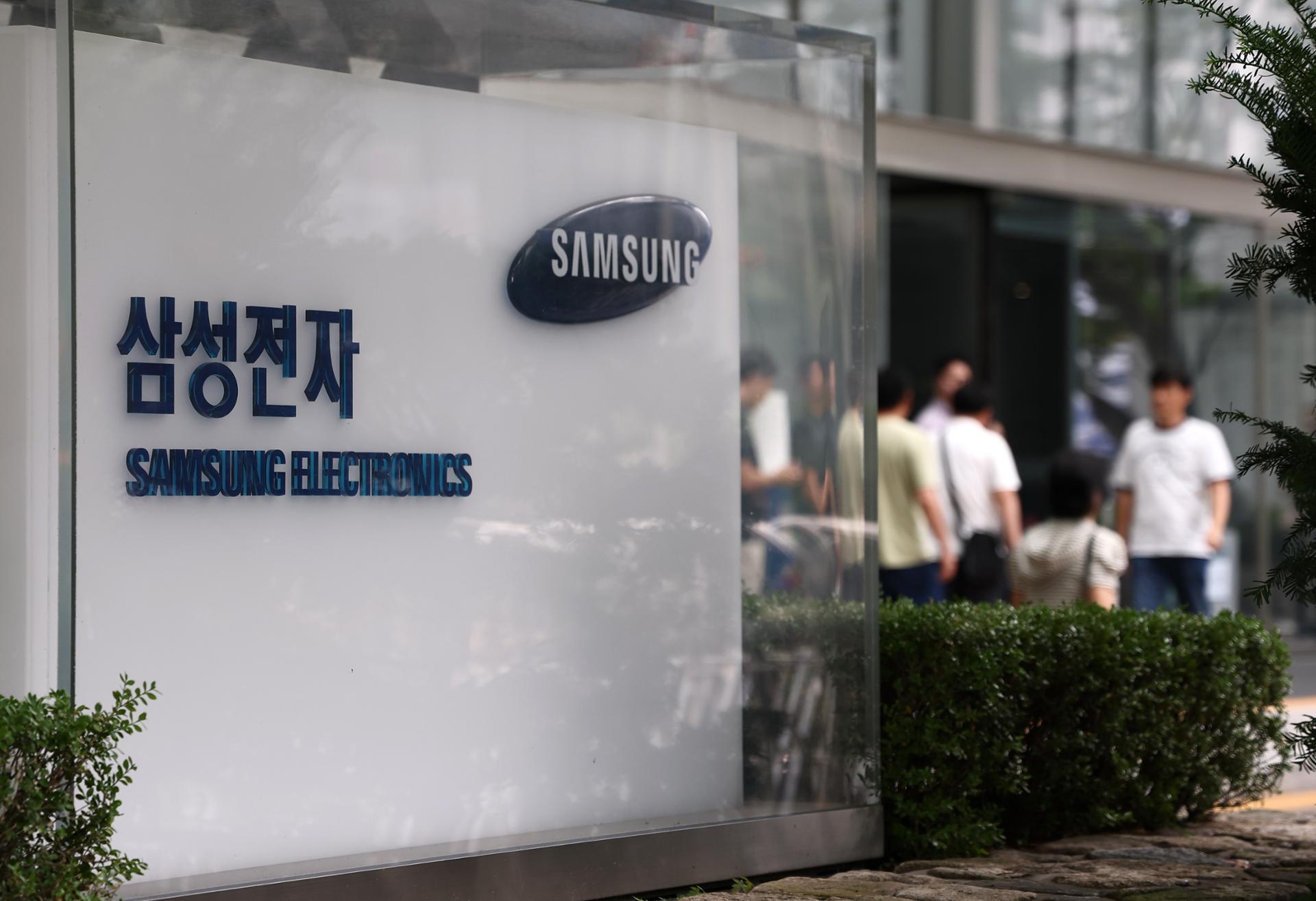
Samsung Electronics, the world's largest memory chipmaker, expects to return as much as 110 trillion won ($79.6 billion) to shareholders this year, marking the largest shareholder payout ever announced by a South Korean company.
The chipmaker said Friday that its board approved a 2026 shareholder-return plan estimated at between 90 trillion won and 110 trillion won, including about 30 trillion won in cash dividends to be paid in the third quarter. The exact amount and terms will be finalized at a board meeting in late October.
The scale of the plan is nearly five times Samsung's previous annual record of about 20.3 trillion won, set in 2020, and more than nine times the 9.8 trillion won in regular annual dividends paid under its current three-year policy. The payout arrives in the final year of the company's shareholder-return policy for 2024 to 2026, under which Samsung pledged to use 50 percent of its free cash flow for shareholder returns. That three-year framework coincides with a broader shift in South Korea, where regulators launched the Corporate Value-up Program in 2024 to encourage listed companies to expand shareholder returns and narrow the long-standing valuation gap for Korean stocks, widely known as the 'Korea discount.'
"The record shareholder return is intended to ensure that the benefits of the company's growth are shared meaningfully with shareholders, helping sustain a virtuous cycle between its growth and enhanced shareholder value," the company said. "It also faithfully implements Samsung Electronics' three-year shareholder return policy for 2024 to 2026."
The method and amount of the remaining returns, including cash dividends and share buybacks and cancellations, will be decided at a board meeting in January next year, once the company's 2026 financial results are finalized.
Under the current policy, Samsung paid 9.8 trillion won in regular dividends in each of 2024 and 2025, totaling 19.6 trillion won over the two years. In 2025, the company also paid 1.3 trillion won in special dividends and bought back and canceled 8.4 trillion won worth of its shares.
Separately on Friday, the board approved the purchase of about 15 trillion won worth of Samsung's own shares for employee compensation, a buyback the company said is also expected to enhance shareholder value.
The record plan follows a sharp improvement in earnings at the company's semiconductor operations. Samsung's chip division posted a record 89.2 trillion won in operating profit in the second quarter, a performance the company highlighted as the foundation for its enlarged shareholder returns. The gains track a broader upturn across the memory industry, where the buildout of AI data centers has lifted demand for high-bandwidth memory and conventional DRAM, key products for Samsung and its Korean rivals. Samsung has not yet announced a new shareholder-return policy for 2027, leaving open the question of whether returns on this scale will continue once the current framework expires.
The move comes after rival chipmaker SK hynix said last week that it plans to buy back and cancel 40 trillion won worth of its shares, as strong artificial intelligence (AI)-driven demand boosts earnings and cash generation at major Korean memory chipmakers. Samsung and SK hynix, along with U.S.-based Micron, dominate the global market for DRAM, placing them at the center of the AI infrastructure buildout. Taken together, the two chipmakers have now announced up to 150 trillion won in shareholder returns and share buybacks.

