Samsung Electronics Well Positioned Amid Memory Price Surge, Mizuho Report Says
Key Takeaways
- •Mizuho forecasts global smartphone shipments of 1.15 billion units in 2026, down 9 percent year on year, while Samsung's shipments hold near 240 million units.
- •Samsung's Device Solutions division earned 89.2 trillion won ($66.4 billion) in second-quarter operating profit, while its Mobile eXperience and Networks businesses posted a 700 billion won operating loss.
- •The memory shortage stems largely from chipmakers prioritizing supply for AI data centers, hitting entry-level and midrange smartphones hardest, with Xiaomi, Oppo and Vivo posting double-digit shipment declines in Q2.
- •Samsung's second-quarter global smartphone shipment share rose to 24 percent from 20 percent a year earlier, according to Counterpoint Research.
- •Mizuho cut its 2025 production estimate for Apple's first foldable iPhone to 4.1 million units from 5.8 million, but still expects Samsung Display to supply 8 to 8.5 million foldable panels this year.
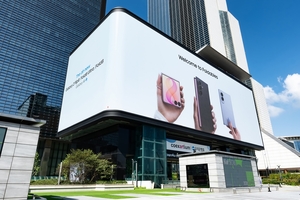
Samsung Electronics is expected to weather rising memory prices better than most smartphone makers, even as the cost squeeze tightens across the global handset market, while its semiconductor business continues to benefit from the very same supply shortage, according to a report by Mizuho Securities.
The dynamic underscores Samsung's unusual position in the industry: it is simultaneously one of the world's largest smartphone vendors and its biggest memory chip producer, so a shortage that hurts rivals' handset margins feeds its chip division's profits.
The Japanese brokerage forecasts global smartphone shipments of 1.15 billion units in 2026, a 9 percent decline from a year earlier. Samsung's shipments are expected to remain broadly flat at 240 million units. Major Chinese vendors are projected to see steeper declines because of their greater exposure to lower-priced phones.
According to Mizuho, Samsung and Apple are relatively well positioned to secure memory supplies and depend more heavily on flagship devices. This gives both companies greater room either to absorb higher costs or pass them on to consumers through pricing.
Counterpoint Research reported in July that global smartphone shipments fell 11 percent year on year in the second quarter as DRAM and NAND shortages worsened. Samsung's shipment share nonetheless rose to 24 percent, up from 20 percent a year earlier, while Xiaomi, Oppo and Vivo each posted double-digit declines. The pressure has been most acute in entry-level and midrange models, where memory accounts for a larger share of the bill of materials. The shortage itself has been driven largely by memory makers prioritizing supply for AI data centers, where prices and margins are higher than in consumer devices.
On the financial side, Samsung Electronics' Device Solutions division, which houses its memory business, recorded 89.2 trillion won ($66.4 billion) in second-quarter operating profit, driven by higher chip prices and strong demand for AI servers.
The company's Mobile eXperience and Networks businesses, by contrast, posted a 700 billion won operating loss in the same quarter. Samsung pointed to elevated component costs across the industry and said it would concentrate second-half smartphone sales on flagship products, including the Galaxy Z8 and S26 series, while raising the share of premium devices.
Apple's entry into the foldable smartphone segment could open another source of business for Samsung through Samsung Display, its display-making affiliate. It would also deepen the component-supply relationship between the two companies, which already extends across displays and memory.
Mizuho cut its estimate for production of Apple's first foldable handset this year to 4.1 million units from 5.8 million, citing delays tied in part to unresolved hinge problems. Even with the slower ramp-up, the brokerage expects Samsung Display to supply 8 million to 8.5 million foldable panels during the year.
Source: Korea Herald Business
