Sam Bankman-Fried Seeks Trump Pardon and Supreme Court Review From Prison
Key Takeaways
- •Sam Bankman-Fried is concurrently seeking a pardon from President Donald Trump and pursuing a petition before the U.S. Supreme Court.
- •Bankman-Fried was convicted on fraud and conspiracy charges in 2023 and is about three years into a 25-year sentence for roughly $11 billion in fraud against FTX customers, investors, and lenders.
- •His lawyers argue the $11 billion forfeiture imposed in the case should be thrown out on constitutional grounds.
- •A U.S. Senate resolution urging the president not to pardon Bankman-Fried passed without opposition, though such measures carry no binding force over clemency decisions.
- •The FTX bankruptcy estate continues working through the courts to return customer funds, a process that proceeds independently of Bankman-Fried's appeals.
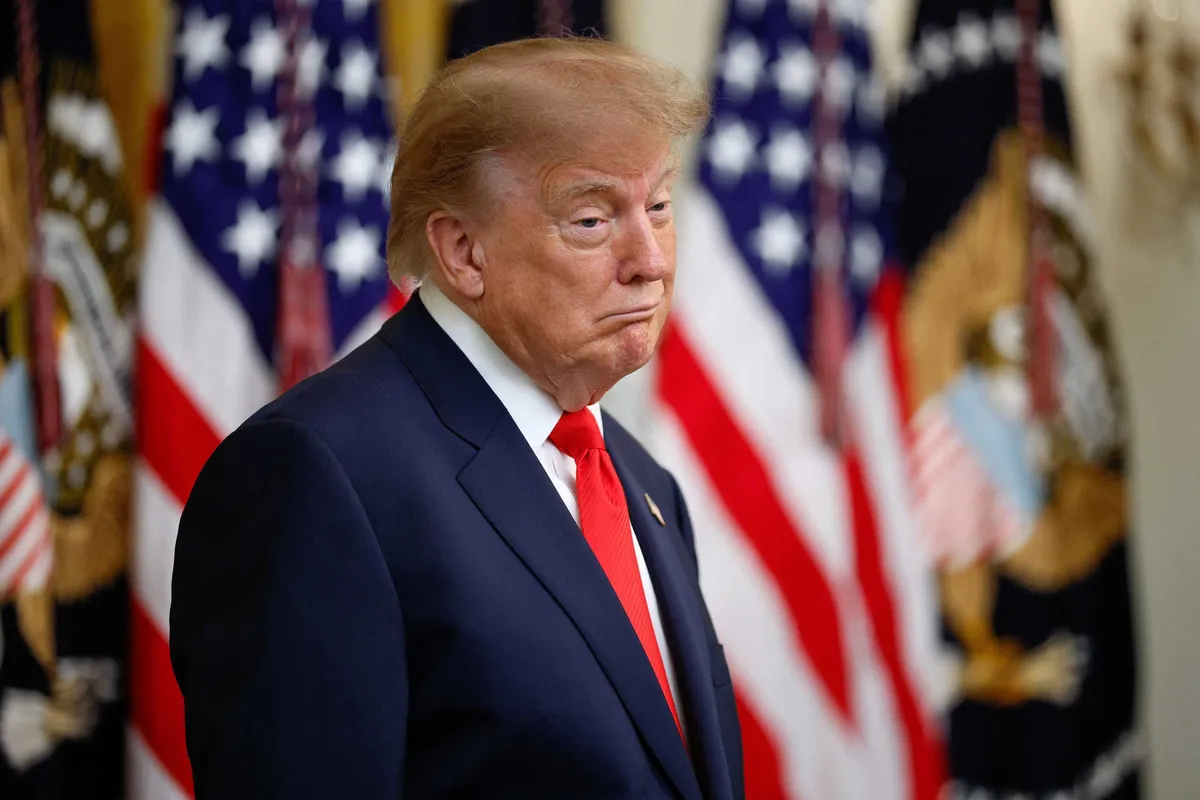
Sam Bankman-Fried, the founder of FTX — the crypto exchange whose November 2022 collapse stands as one of the largest failures in the industry's history — is seeking a pardon from President Donald Trump while simultaneously pursuing a petition before the U.S. Supreme Court, according to a report by Gizmodo.
Bankman-Fried, who was convicted on fraud and conspiracy charges in 2023, is roughly three years into a 25-year prison sentence for about $11 billion in fraud against FTX customers, investors, and lenders. In a prison interview with The Economist's Money Talks podcast, he continued to insist on his innocence, even as his lawyers argue that the $11 billion forfeiture imposed in the case — a sum Gizmodo notes is basically equal to what he stole — should be thrown out on constitutional grounds. In the years since the collapse, FTX's bankruptcy estate has been working through the courts to return customer funds, a process that continues independently of his appeals.
The BBC reported in June that Bankman-Fried's lawyers were seeking a pardon from Trump. That effort now runs alongside the Supreme Court petition — two tracks whose outcomes rest with others, since only the justices can decide whether the Court takes up the case, and the Constitution's Article II gives the president sole authority to grant federal pardons, a power Congress cannot override.
Gizmodo reported that Trump uses pardons as patronage and "is happy to hand them out to other powerful men who claim to be victims of partisan lawfare." Last year, Bankman-Fried began praising Trump's approach to pardons on X, writing in a post: "President Trump knows that, when you weaponize the DOJ, you start putting innocent people in prison."
In the Money Talks interview, Bank-Fried acknowledged that obtaining a pardon is "an uphill battle." "All I can do is put forward, you know, the truth as I see it, and hope that parties are more reflective, and that there's less visceral reaction than there was before," he said.
According to Gizmodo, the "visceral reaction" he referenced is likely a U.S. Senate resolution urging the president not to pardon him — a measure that passed without opposition, as reported by The Hill. While such resolutions let the chamber register formal opposition, they carry no binding force over a president's clemency decisions.
"For the record, Bankman-Fried's transfer of $8 billion from FTX to his crypto trading firm, Alameda Research, was fraud," Gizmodo stated. "It was not normal margin trading, and his lawyers have already lost one appeal predicated on a similar argument."
Bankman-Fried told the Economist hosts that FTX was "a legitimate and successful business" that suffered a "run on the bank, which is a thing that happens with margin businesses." Gizmodo countered that the supposed "run" came only after FTX was already insolvent and after Bankman-Fried had padded Alameda's balance sheet with FTT, a trade token created by FTX itself that the outlet described as worthless.
"About the only thing this interview is effective evidence for is the thesis that money poisoning causes permanent brain damage," Gizmodo writer Tom McKay added.
Separately, critics including former Justice Department pardon attorney Liz Oyer have condemned Trump's approach to the clemency process and accused him of abusing his Article II powers. Oyer and others claim Trump is using "unfettered executive power" to grant pardons in a way that has served to "degrade, corrupt and politicize the justice system."

