Nestuge Co-Founder Ruth Okoli on Building for Africa’s Creator Economy
Key Takeaways
- •Nestuge supports African creators, coaches, and community owners with tools for digital storefronts, payments, communication, and workflow automation.
- •The company says it has distributed millions of dollars to creators across Africa, including one Nigerian creator who has surpassed $500,000 in sales.
- •Nestuge started as a bootstrapped five-person startup founded by Ruth Okoli, Nelson Eze, and Jude Enete.
- •Okoli’s previous consulting work at EY Nigeria and Verraki Africa informs her focus on strategy, operations, and scalable business systems.
- •Okoli says addressing basic needs such as food and shelter is essential before broader goals like education, upskilling, and opportunity creation can fully succeed.
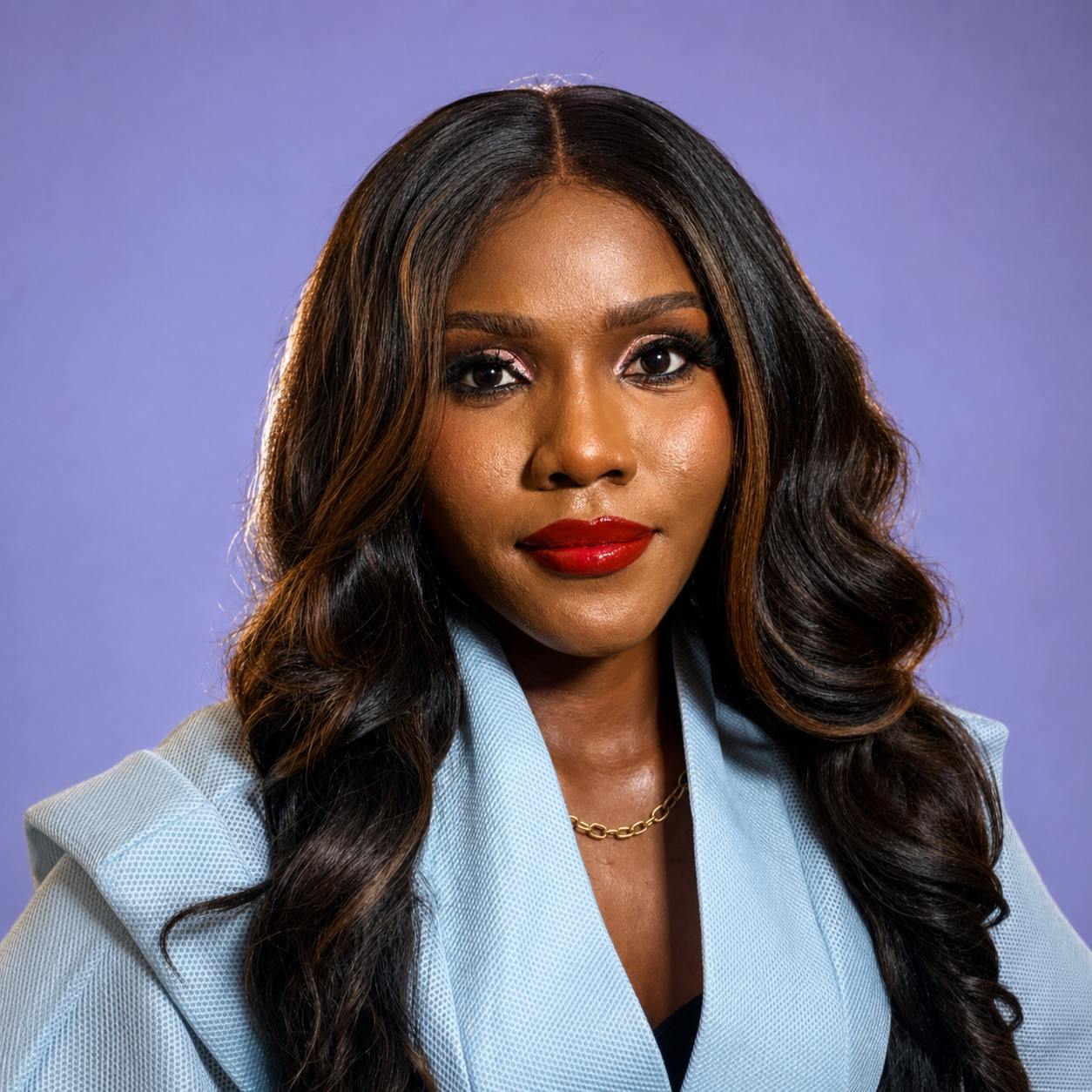
Ruth Okoli, Head of Marketing and Co-founder of Nestuge, is helping build a technology platform focused on Africa’s creator economy. Nestuge supports creators, coaches, and community owners by helping them build digital storefronts, monetise their expertise, and automate parts of their workflows.
The platform describes itself as an all-in-one digital solution for creators who want to turn their knowledge and communities into sustainable income. According to the company, Nestuge has paid out millions of dollars to creators across Africa. One Nigerian creator on the platform has surpassed $500,000 in sales.
For creators, coaches, and community-led businesses, this kind of infrastructure sits between audience-building and revenue generation. Digital storefronts, payment flows, customer communication, and workflow automation can determine whether a creator is only publishing content or also selling courses, services, memberships, and other knowledge products in a repeatable way.
Nestuge began as a bootstrapped startup with a five-person team, including its founders. Alongside Okoli, the founding team includes Nelson Eze, CEO and Co-founder, and Jude Enete, Co-founder. Okoli’s role focuses on market strategy and operations management, combining customer-facing growth work with the systems needed to support the business as it scales.
Bootstrapped companies typically have to be disciplined about product choices, customer acquisition, and operating costs because they are not primarily relying on large external funding rounds to support growth. That context makes Okoli’s emphasis on systems and sustainable scaling central to how Nestuge is being built.
Before co-founding Nestuge, Okoli worked for several years in management consulting at EY Nigeria and Verraki Africa. Her work covered strategy and operations for multinational companies and micro, small, and medium-sized enterprises. At EY Nigeria, she served as an Associate Consultant in Business Consulting.
EY, formerly Ernst & Young, is a multinational professional services network headquartered in London. It is one of the Big Four accounting firms, operates in more than 150 countries, and employs more than 400,000 people.
Okoli said that consulting background continues to shape her approach to building a company. For her, growth is not only about pursuing numbers, but also about creating systems that can scale without breaking. She also writes and speaks about building in public, leadership, and the difficult middle stage of scaling a startup.
Asked about her morning routine, Okoli said there is no fixed pattern because startup life is often unpredictable.
“Every morning looks a little different depending on how the previous day ended and what my to-do list is,” she said. “Startup life isn’t very predictable, so I’ve learned to be flexible. Ideally, I wake up, say a prayer, and check my phone and laptop for any urgent personal or work messages before reviewing my priorities for the day.”
She said some mornings are slower, especially after a late night of work, while others begin immediately with deep work or meetings.
“I try not to chase the ‘perfect’ morning routine,” Okoli said. “Instead, I focus on starting the day with clarity and making sure I spend my time on what matters most.”
Her workspace also changes depending on the day. Okoli said she has a dedicated office in her home, and on some days she works from there with the rest of the team. Her regular setup includes a MacBook and an iPad, and sometimes a large external monitor.
For work tools, Okoli said Slack is central to team communication, meetings, and project collaboration. She also uses Google Workspace for documentation, reporting, and organisation. Because she frequently speaks with creators and industry experts about Nestuge, many of those conversations take place on WhatsApp.
When asked what motivates her, Okoli first answered lightly: “Salaries and the dream life are enough motivation.” She then added that she often resets by going for a run or taking a hot shower to think.
“I have gotten some of our brilliant marketing campaign ideas in the shower,” she said.
She also listens to a specific genre of music to get into the right frame of mind and remind herself of the bigger picture. For quick notes and ideas, she said she uses WhatsApp or the Notes app.
Asked about a technology she would like to see exist, Okoli pointed to teleportation: a transport system as accessible as Uber but capable of moving people quickly from one place to another.
“Teleportation Technology: basically something easily accessible, like Uber, that takes me from point A to B swiftly,” she said. “I know we have planes, but you have to go to the airport and deal with all those long, boring shenanigans. I need a tech (machine) that can pick me up from my house and transport me in seconds or a few minutes. Maybe a ‘mini’ Elon Musk is already building it somewhere.”
On social impact, Okoli said she believes everyone, especially children, deserves at least a decent place to sleep and a meal. She said it is difficult for people to function at their best when they are extremely hungry or deeply uncomfortable, and that the same is true for most people.
“The creativity, critical thinking, and innovation we hope to see in society are unlikely to flourish when people are living in deep hunger and destitution,” she said.
Okoli said basic needs should be addressed first, before society can effectively focus on education, upskilling, and creating opportunities for people to thrive. If she were to focus on a social intervention, she said it would be an orphanage and a skill centre.
Discussing women and business leaders she admires, Okoli named Emma Grede, Co-founder and CEO of Good American, Founding Partner at SKIMS, and Co-founder of Safely. She also cited Fisayo Longe, founder of Kai Collective.
Although Grede and Longe are not technology founders, Okoli said their marketing insight, brand-building ability, and business judgment have been major sources of inspiration for her.
She also named Melanie Perkins, CEO and Co-founder of Canva, as a leader she greatly admires. Okoli said building any company as a woman is difficult, and that building and scaling a business in a male-dominated industry brings an additional layer of pressure, resilience, and grit.
“The way she has navigated those challenges while growing Canva into a global company is incredibly inspiring,” Okoli said.
Her personal mantra is direct: “DO LIFE BIG!!!”
Okoli said people should give everything they have to whatever they set their minds to, so that regardless of the outcome, they can say they gave it their best.
“The best part is that no effort is ever wasted,” she said. “Whether you succeed or fall short, you’ll come away with lessons, growth, and experience that prepare you for whatever comes next.”
Asked which founder she would like to spend time with, Okoli chose Damilola Olokesusi, CEO of Shuttlers. She described Olokesusi’s work in transportation, particularly in a complex and politically influenced environment such as Lagos, as remarkable.
Okoli said some of her team members use Shuttlers for their daily commute and speak positively about the comfort and reliability of the service. She said the service has also had a visible effect on their stress levels compared with traditional transport options.
“For a business like this, with multiple moving parts across operations, technology, and regulatory challenges, I would love to learn from her journey and gain insights into how she has navigated the complexities of building and scaling such an impactful company,” Okoli said.

