Russian Forces Launch Major Assault on Odesa, Threatening Global Food Security
Key Takeaways
- •Russian forces struck Odesa's port infrastructure, causing multiple casualties and drawing immediate international condemnation.
- •Odesa serves as a vital hub for Ukrainian grain exports, and disruptions to its operations threaten global food supply chains, especially for nations in Africa and the Middle East.
- •The assault follows Russia's July 2023 withdrawal from the Black Sea Grain Initiative, a UN- and Turkey-brokered agreement that had previously ensured safe passage for millions of tons of Ukrainian grain.
- •Prediction markets have registered a decreased likelihood of Russian forces entering Sloviansk, suggesting a strategic pivot toward Odesa and the broader Black Sea theater.
- •The international community is monitoring the situation for potential additional sanctions or military support packages for Ukraine in response to the escalation.
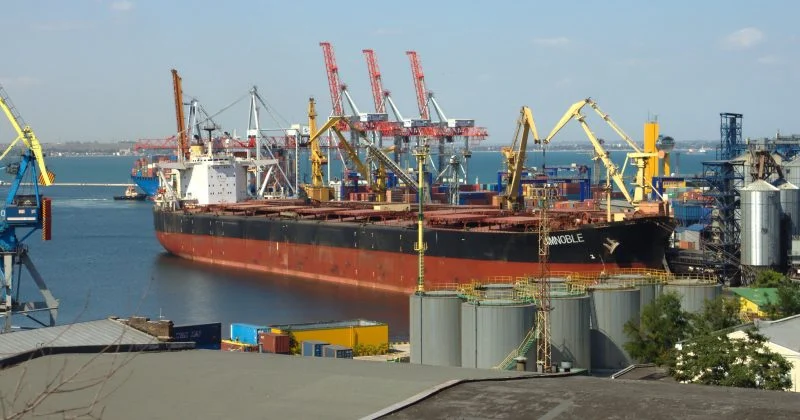
Russian forces have launched a significant assault on the Ukrainian port city of Odesa, resulting in multiple casualties and drawing swift international condemnation. The offensive targeted Odesa's critical port infrastructure, which serves as a cornerstone of Ukraine's grain export operations and plays a vital role in global agricultural supply chains.
Ukrainian President Volodymyr Zelenskyy accused Moscow of directly threatening global food security through the strikes on the port facilities. Odesa, situated on the northwestern coast of the Black Sea, has historically been one of Ukraine's busiest and most economically significant harbors, handling substantial volumes of grain, sunflower oil, and other agricultural commodities destined for international markets. Ukraine is among the world's leading grain exporters, and disruptions to its port operations have far-reaching implications for global food supply, particularly for nations in Africa and the Middle East that rely heavily on imported grain. The strikes come after Russia's withdrawal from the Black Sea Grain Initiative in July 2023, a deal brokered by Turkey and the United Nations that had previously enabled the safe passage of millions of tons of Ukrainian grain through the Black Sea. Since the deal's collapse, Ukraine has increasingly relied on alternative export routes, including overland corridors through neighboring European countries and a temporary shipping lane hugging the western Black Sea coast.
The latest escalation underscores the high-stakes nature of the ongoing conflict in the Black Sea region, where both Russian and Ukrainian forces have reported extensive damage to military and civilian infrastructure. The targeting of Odesa's port represents a notable development in Russia's military strategy, with potential ramifications for both the trajectory of the war and the international community's response.
According to market data referenced in reporting on the assault, prediction markets have registered a decrease in the perceived likelihood of Russian forces entering the city of Sloviansk, reflecting a shifting focus toward Odesa and the broader Black Sea theater. The city of Sloviansk, located in Ukraine's eastern Donetsk region, has been a focal point of earlier phases of the conflict.
The international response to the Odesa assault is expected to remain a pivotal factor in shaping developments on the ground. Observers are closely monitoring the Black Sea region for any further shifts in military strategy by Russian forces, as well as potential additional sanctions or military support packages for Ukraine from allied nations. Changes in market pricing tied to specific cities and military outcomes may also serve as indicators of shifting perceptions regarding the conflict's trajectory.

