Black Sea Grain Trade Under Pressure as Russia and Ukraine Escalate Maritime Strikes
Key Takeaways
- •Russia damaged port infrastructure near Izmail, Ukraine’s largest Danube port, and started a fire during an overnight strike.
- •Ukraine said it struck Novorossiysk, damaging three major grain terminals and knocking at least two out of service.
- •Russia and Ukraine together account for about a quarter of global wheat exports in normal years, making their Black Sea terminals critical during harvest season.
- •Russia’s grain exporters warned that disruptions could create a 30 million to 35 million tonne export shortfall this season if main routes remain blocked.
- •Ukraine’s grain shipments have fallen sharply this month, while Kyiv is expanding rail and Danube alternatives to move exports westward.
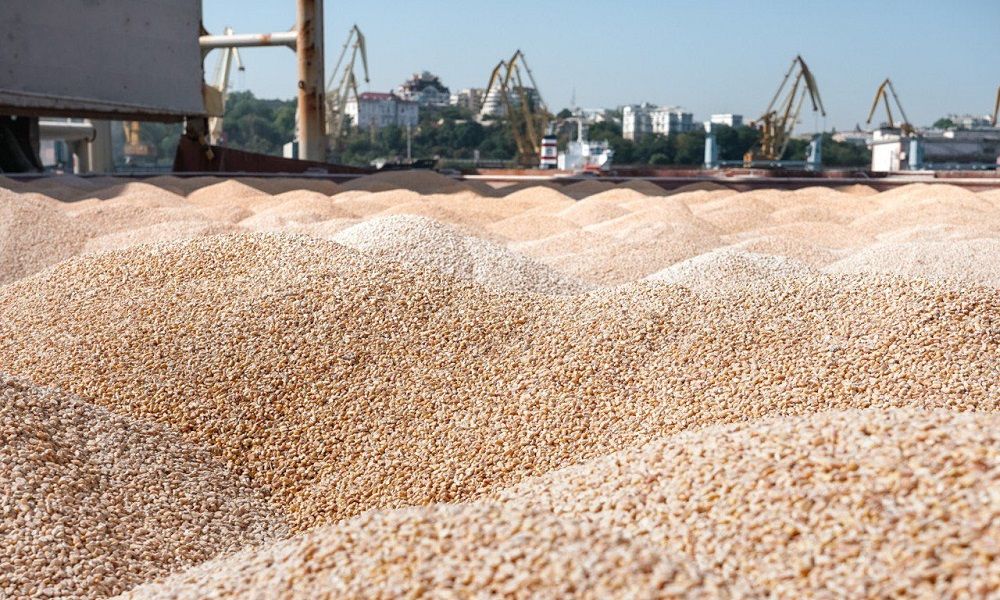
Russia and Ukraine have exchanged some of the most intense blows of the four-and-a-half-year war against each other's maritime infrastructure, pushing the Black Sea grain trade further into the crossfire.
Russia struck the area around Izmail, Ukraine's largest Danube port, overnight Thursday, damaging port infrastructure and igniting a fire. The attack came less than 24 hours after Ukraine launched hundreds of drones, missiles, and uncrewed boats against Novorossiysk, Russia's principal Black Sea export hub and the main base for its displaced Black Sea Fleet.
Ukraine stated that several Russian warships were struck in what President Volodymyr Zelensky described as a "unique operation." The commercial repercussions were substantial: three major grain terminals at Novorossiysk were reported damaged, with at least two suspending operations.
From Security Crisis to Global Supply Threat
These strikes have transformed what was previously seen as an escalating security crisis for merchant shipping into an increasingly serious global grain supply problem. Russia is the world's largest wheat exporter, while Ukraine remains one of the leading suppliers of wheat, corn, and other agricultural commodities. Together, the two countries account for roughly a quarter of global wheat exports in typical years. The current harvest season makes their Black Sea terminals especially critical for buyers across North Africa, the Middle East, and Asia — regions where grains are a dietary staple and where supply disruptions during the previous Black Sea Grain Initiative's collapse in mid-2023 contributed to sharp price spikes in wheat futures.
Russian agriculture officials are now seeking to redirect cargo toward ports in the Baltic and Caspian Seas as well as overland routes following the disruption at Novorossiysk. Moscow was already grappling with reduced activity in the Black Sea and Sea of Azov before the attack, as Ukrainian drones increasingly targeted ships and maritime logistics.
The Russian Union of Grain Exporters and Producers has warned that a 30 million to 35 million tonne shortfall is possible this season if disruptions to main Black Sea export corridors persist.
"Alternative routes are unlikely to offset the shortfall. Ports already have capacity constraints as we begin the peak export season, and difficulties increase with the distance of transporting cargoes away from the main southern grain-producing regions, with both Baltic and eastern ports being considered," broker SSY noted in an update.
Ukraine's Shipping Challenges
Ukraine faces an even more acute shipping problem. Russian attacks on commercial vessels and the Greater Odesa ports have sent Ukrainian grain shipments plunging. Agriculture ministry figures show that shipments during the first 12 days of August were down approximately 76% year-on-year, although cumulative exports since the start of the new marketing year remain slightly ahead of last year, largely due to earlier corn movements. Wheat exports so far this season are down 18%.
Ukraine is working to rebuild alternative logistics networks. Kyiv and Moldova have agreed to discounted rail arrangements to move more cargo westward, while Danube ports — which became a lifeline after Russia withdrew from the UN- and Turkey-brokered Black Sea Grain Initiative in July 2023 — have taken on renewed importance, making the latest attack on Izmail particularly consequential.
Escalation Beyond the Black Sea
The maritime escalation may not remain confined to the Black Sea. The Gazprom Neftekhim Salavat complex, one of Russia's largest oil and petrochemical refineries, is currently on fire following a Ukrainian drone attack.
Russian President Vladimir Putin warned that Moscow could begin seizing merchant vessels linked to European countries if governments proceed with seizures of Russian ships and cargoes. Putin described Western actions against Russia-linked commercial vessels as "piracy and robbery" and stated that Moscow would respond in kind — not necessarily in the same waters where Russian ships were detained, but "wherever" it deemed appropriate. Russia's Pacific Fleet commander subsequently informed Putin that his forces were prepared to inspect and detain vessels serving countries Moscow regards as unfriendly. If carried through, such actions would extend the maritime disruption well beyond the Black Sea into major global shipping lanes.
Sweden's Supreme Court cleared the way last week for the cargo vessel Caffa to be transferred to Ukraine, establishing a potentially significant precedent for ships accused of trading stolen commodities from Russian-occupied territory.
Port of Novorossiysk pic.twitter.com/fzXdMVqW4v — Kadi🇪🇪🌻 (@TheFl0orIsLaVa) August 12, 2026

