Putin Signs Law Regulating Crypto Exchanges While Maintaining Domestic Payment Ban
Key Takeaways
- •The new Russian law creates a formal regulatory framework for cryptocurrency exchanges and market participants under the supervision of the Bank of Russia.
- •The legislation maintains Russia's ban on using cryptocurrencies as a payment method for domestic goods and services while permitting licensed trading and custody operations.
- •Market participants have been granted a transition period extending through July 2027 to comply with the updated regulatory requirements.
- •Russian officials have signaled interest in exploring cryptocurrency for cross-border trade settlements as Western sanctions continue to restrict access to traditional international payment systems.
- •Prediction market data from platform Vera indicates a 2% probability of Bitcoin reaching $200,000 by December 31, 2026, reflecting modestly declined optimism following the regulatory developments.
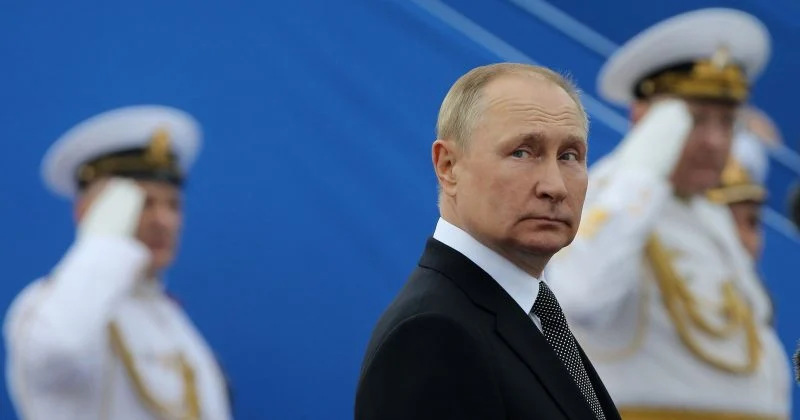
Russian President Vladimir Putin has signed into law a landmark measure that establishes a comprehensive regulatory framework for cryptocurrency exchanges, digital depositories, and market participants, according to a report by TASS. The legislation formalizes oversight of these entities while upholding Russia's existing prohibition on the use of digital currencies for domestic payments within the country. The move comes as governments worldwide accelerate efforts to bring digital asset markets under formal oversight, with the European Union's Markets in Crypto-Assets (MiCA) regulation and similar initiatives in other jurisdictions reshaping the global compliance landscape.
The Bank of Russia, which has historically advocated for strict controls on digital assets and previously proposed a blanket ban on cryptocurrency mining and trading, has been designated as the primary regulatory authority responsible for administering the new framework. A transition period has been established, extending through July 2027, to allow market participants time to comply with the updated regulatory requirements.
The regulation is designed to create a legally sanctioned infrastructure for the purchase, sale, and custodial storage of digital currencies. All such activities will be required to be conducted through licensed intermediaries operating under the supervision of the central bank. However, the law does not authorize the use of cryptocurrency as a means of payment for goods and services within Russia's domestic economy. Russian officials have separately signaled interest in exploring cryptocurrency for cross-border trade settlements, an area that remains active as Western sanctions continue to restrict Russia's access to traditional international payment rails.
Prediction market platforms have reflected a mixed assessment of the development's potential implications for Bitcoin's price trajectory. While the introduction of regulatory clarity is regarded as a factor that could encourage greater institutional participation in digital asset markets, the continued prohibition on cryptocurrency payments may constrain broader retail engagement.
According to data from prediction market platform Vera, current market pricing reflects a 2% probability of Bitcoin reaching $200,000 by December 31, 2026. The regulatory developments appear to have contributed to a modest decline in market optimism regarding the likelihood of Bitcoin achieving substantial price gains, as indicated by a slight downward trend in relevant prediction market odds.
The legislation represents a significant step in Russia's approach to digital asset regulation. Observers are expected to monitor the Bank of Russia's implementation of the framework and its effects on institutional engagement in the cryptocurrency sector. Further areas of attention include developments in international cryptocurrency regulation, particularly regarding cross-border trade applications, and any potential legislative changes in Russia that could affect the permissibility of cryptocurrency as a domestic payment method.

