Russia Doubles Dark Fleet Used to Ship LNG to Asia
Key Takeaways
- •Bloomberg estimated Russia’s dark fleet of LNG carriers linked to Arctic LNG 2 has grown from 11 in December 2025 to at least 20.
- •The expanded fleet includes a second ice-class vessel that can operate in Arctic waters throughout the year.
- •Arctic LNG 2 was sanctioned by the United States, the European Union, and the United Kingdom in 2024.
- •China is currently the only country buying Arctic LNG 2 cargoes, which limits Russia’s customer base and may strengthen Beijing’s pricing position.
- •Russia has been buying older LNG carriers ahead of EU LNG sanctions set to take effect on January 1, 2027.
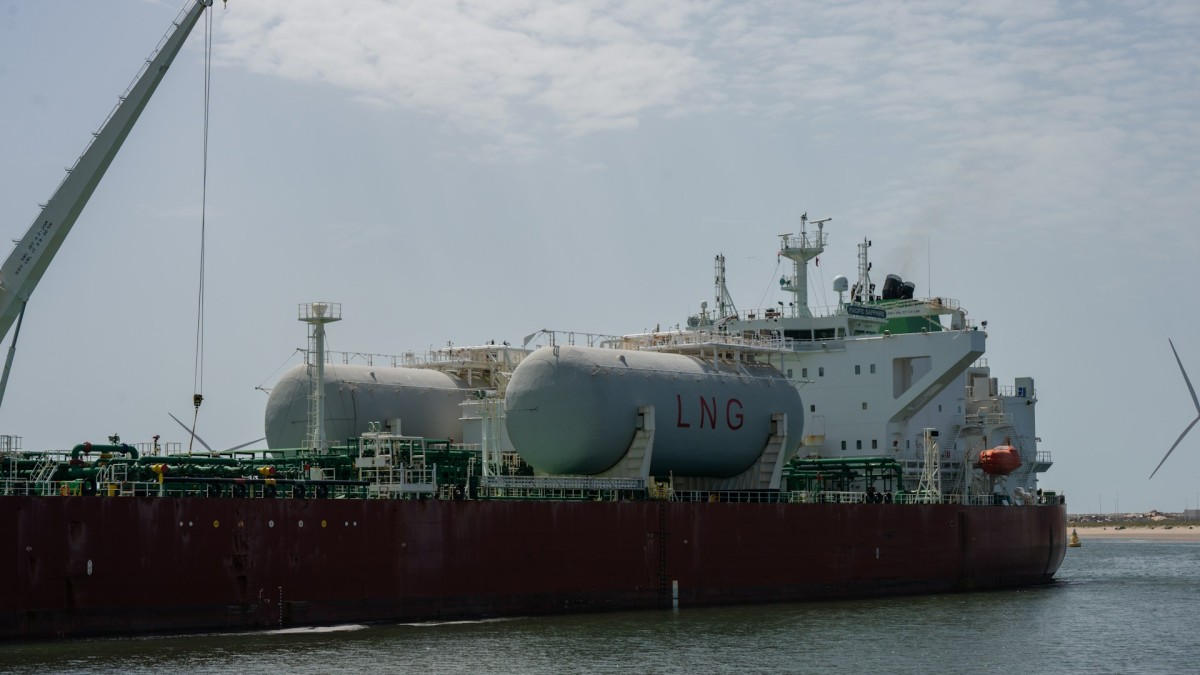
Russia has doubled the number of opaque-owned vessels it uses to ship liquefied natural gas from its sanctioned Arctic LNG 2 export project, according to a Bloomberg analysis of vessel-tracking data published on Tuesday.
As of December 2025, Russia was estimated to have 11 LNG carriers in its dark fleet. That number has now risen to at least 20, Bloomberg said, including a second ice-class vessel capable of moving through Arctic waters year-round.
The buildout comes after Arctic LNG 2 was sanctioned by the United States, the EU, and the UK in 2024. It also comes as the EU moves to phase out Russian LNG imports by the end of this year. Against that backdrop, Moscow has been quietly assembling a dark fleet of LNG carriers to move gas eastward to Asia as Europe closes its market to Russian LNG, underscoring how sanctions and shifting trade routes are reshaping the logistics behind the project.
Russia was able to keep its sanctioned LNG trade with China going through the past winter with the help of an ice-class vessel that can plow through thick Arctic ice. The sanctioned Christophe De Margerie ice-class LNG tanker has been exporting cargoes to China.
Now another ice-class vessel, built in Russia, is being added to the dark fleet, along with several other ships, as Moscow seeks to keep selling gas to Asian buyers and maintain access to an export route that works in harsh Arctic conditions.
The caveat is that China is currently the only country willing to buy Arctic LNG 2 cargoes, which narrows the pool of potential Russian LNG customers and may give Beijing leverage over pricing.
For months, Russia has also been buying older LNG carriers for its dark fleet ahead of EU sanctions on the LNG sector that are due to take effect on January 1, 2027, maritime intelligence firm Windward said in a report in June.
Because those sanctions will restrict which vessels can call at LNG terminals in EU jurisdictions, Windward said this “means Russia needs an alternative carrier base to maintain LNG export capacity outside Western frameworks.”
By Tsvetana Paraskova for Oilprice.com
