Russia Expands Crypto Mining Restrictions, Banning Operations in Moscow Until 2032
Key Takeaways
- •Russia has banned cryptocurrency mining in Moscow, the Moscow Region, and parts of the Kursk Region through 2032 due to electricity consumption and grid stability concerns.
- •Approximately 65 mining-related data centers with a combined capacity of around 734 megawatts have contributed to rising energy demand in affected areas.
- •Russia officially legalized cryptocurrency mining in 2024 but built mechanisms into the regulatory framework allowing regional governments to restrict or prohibit mining activities.
- •The Kursk Region restrictions carry additional significance due to its proximity to geopolitical tensions and heightened infrastructure security priorities.
- •Russia's approach centers on selective regional regulation rather than a comprehensive nationwide mining ban, allowing operations to continue in areas with sufficient electricity capacity.
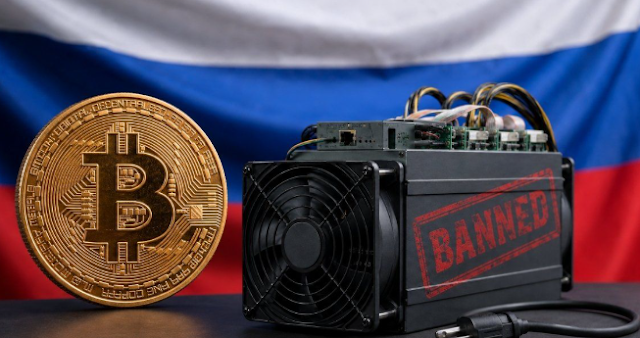
Russia has introduced a new wave of restrictions on cryptocurrency mining, placing some of the country's most significant regions under a long-term ban that will prevent mining operations from operating until 2032.
The latest measures prohibit crypto mining activities in Moscow, the Moscow Region, and several areas of the Kursk Region, including territories affected by ongoing wartime conditions. The decision represents another major step in Russia's evolving approach to digital assets, as authorities seek to balance the economic potential of cryptocurrency mining against mounting concerns over electricity consumption and grid stability.
According to information circulating within the cryptocurrency community and confirmed through reporting shared by the Coin Bureau account on X, the restrictions are part of a broader regional policy framework that has seen mining limitations introduced across multiple parts of Russia.
The move follows concerns that energy-intensive mining facilities are placing additional strain on local electricity networks. Reports indicate that approximately 65 mining-related data centers with a combined capacity of around 734 megawatts have contributed to rising demand in affected areas, creating significant challenges for regional energy management.
Russia officially legalized cryptocurrency mining in 2024 under a regulated framework, but authorities have since introduced an increasing number of regional restrictions as they evaluate the impact of mining activities on energy infrastructure. The framework also permits time-limited seasonal mining bans in select regions during periods of peak electricity demand, typically during the winter heating season.
Historical Context: Russia's Complex Relationship with Digital Assets
For years, Russia maintained an ambiguous stance on digital assets. Government officials acknowledged the potential economic benefits of blockchain technology and cryptocurrency mining, yet concerns over energy consumption, financial regulation, sanctions, and capital flows have consistently shaped policy decisions.
The 2024 legalization of mining marked a major policy shift, establishing a formal legal framework for miners operating within the country. Under the new regulatory system, mining companies were required to comply with registration requirements, reporting obligations, and government oversight.
However, legalization did not translate to unrestricted growth. Russian authorities built mechanisms into the framework allowing regional governments to limit or entirely prohibit mining activities in areas where electricity demand became difficult to manage. The latest restrictions are a direct application of that approach.
Why Moscow Faces Restrictions
As Russia's political and economic center, Moscow has some of the country's highest electricity demand levels, driven by its dense population, commercial activity, industrial operations, and technological infrastructure. Introducing large-scale cryptocurrency mining facilities into such a heavily utilized energy network creates additional challenges, particularly during peak consumption periods.
Cryptocurrency mining—especially proof-of-work operations such as Bitcoin mining—requires substantial computational power. Mining facilities run thousands of specialized machines that consume large amounts of electricity and generate heat requiring active cooling systems. At scale, mining operations can rival traditional industrial facilities in energy requirements.
This dynamic has made electricity availability one of the most critical factors in determining where mining companies choose to operate.
Russia's Rise as a Global Mining Hub
Russia became one of the world's largest cryptocurrency mining destinations due to its abundant energy resources, cold climate, and relatively low electricity costs in certain regions. The country's extensive reserves of natural gas, hydroelectric power, and other energy sources made it attractive for miners seeking competitive operating costs. Russia has been estimated to rank among the top three countries globally for Bitcoin mining hash rate contribution, alongside the United States.
Before the introduction of national mining regulations, many mining operations emerged in areas with favorable energy conditions, including Siberia and regions with surplus electricity generation. The Irkutsk region in eastern Siberia, which benefits from abundant hydroelectric power, became a well-known hub for both industrial and artisanal mining operations. However, as the industry expanded, some regions began experiencing increased pressure on local power networks. Officials have repeatedly warned that uncontrolled mining growth could lead to electricity shortages, higher costs for consumers, and increased infrastructure strain.
The decision to restrict mining in Moscow and surrounding areas reflects these concerns directly. Authorities appear focused on preventing situations where commercial mining operations compete with households, businesses, and essential services for electricity resources.
Strategic Significance of the Kursk Restrictions
The restrictions in parts of the Kursk Region carry additional significance due to the area's proximity to ongoing geopolitical tensions. The region has faced heightened security concerns following cross-border incursions, and authorities have increasingly prioritized infrastructure stability. Limiting energy-intensive activities may form part of broader efforts to maintain reliable electricity supplies in strategically sensitive locations.
Russia's Regional Approach to Mining Regulation
Despite the restrictions, Russia remains one of the world's most significant cryptocurrency mining markets. The country continues to host major mining operations in regions where electricity availability remains sufficient and local authorities support industrial-scale mining activities. Many Russian mining companies have adapted by relocating equipment to areas with more favorable conditions. Companies such as BitRiver, one of Russia's largest mining operators, have continued to expand facilities in regions with surplus energy capacity.
This regional approach allows authorities to reduce pressure on specific power systems while preserving the broader cryptocurrency mining industry.
Industry participants have responded differently to the restrictions. Some mining operators argue that additional regulation creates uncertainty and complicates long-term investment planning. Large-scale mining facilities require significant capital investment in equipment, infrastructure, and energy contracts, and sudden regional restrictions can create financial challenges for companies that have already committed resources to specific locations.
Others acknowledge that regulation is necessary to ensure the industry develops sustainably. Supporters of government oversight argue that controlled growth can prevent energy shortages and encourage miners to operate in areas where electricity capacity is genuinely available.
Global Debate on Mining and Energy
The debate within Russia reflects a larger global conversation surrounding cryptocurrency mining and energy consumption. Countries around the world have adopted widely varying approaches to mining regulation. Some jurisdictions have encouraged mining investment by offering favorable energy policies, while others have introduced restrictions driven by environmental concerns, electricity demand, or financial regulatory considerations. China's 2021 ban on cryptocurrency mining, which displaced a significant share of global hash rate, reshaped the geography of the mining industry and contributed to Russia's emergence as a major destination for relocated operations.
Russia's approach appears to center on selective regulation rather than a comprehensive nationwide ban. By permitting mining in approved regions while restricting operations in areas facing energy pressure, authorities are attempting to construct a controlled framework for the industry.
Government Interest in Blockchain Beyond Mining
The long-term impact of the restrictions will depend on how mining companies respond and whether Russia continues adjusting its cryptocurrency policies. The government has expressed interest in leveraging blockchain technology and digital assets for specific economic applications, including cross-border payments. Following the imposition of Western sanctions, Russian officials have publicly explored the use of cryptocurrency for international trade settlements, particularly for energy exports. Russia has also advanced development of its central bank digital currency, the digital ruble, which began pilot transactions in 2023. Simultaneously, officials remain cautious about risks associated with decentralized cryptocurrencies, particularly regarding financial stability and regulatory oversight.
The mining sector itself is also undergoing significant transformation. Advances in mining hardware, energy efficiency, and renewable energy integration are reshaping how companies approach cryptocurrency mining. Modern operations increasingly focus on reducing costs through improved efficiency and strategic energy management. Some companies are exploring partnerships with energy producers, utilizing excess electricity, and developing operations in locations with available power capacity.
Policy Implications for the Global Crypto Ecosystem
For cryptocurrency market participants, the Russian mining restrictions underscore an important reality: government policy remains one of the most influential factors shaping the global crypto ecosystem. Although cryptocurrencies operate on decentralized networks, mining infrastructure is physically located in specific countries and regions. Regulations, energy policies, and geopolitical developments can therefore significantly affect the industry.
The latest Russian measures also demonstrate the growing importance of energy considerations in cryptocurrency policy. As mining operations become larger and more industrialized, governments increasingly evaluate them not only as financial activities but also as major energy consumers. This shift could shape future regulations worldwide.
Countries seeking to attract mining investment may need to develop strategies that balance economic benefits with electricity availability and environmental considerations. Mining companies, in turn, will likely continue searching for locations offering regulatory stability, affordable energy, and reliable infrastructure.
For Russia, the challenge will be maintaining equilibrium between supporting technological innovation and protecting national energy resources. The decision to legalize mining while introducing regional restrictions signals that officials aim to create a controlled environment rather than eliminate the industry entirely.
The latest ban affecting Moscow and other regions marks another chapter in Russia's evolving cryptocurrency strategy. As the digital asset industry continues to expand, governments worldwide will confront similar challenges in managing energy demand, financial regulation, and technological innovation. Whether Russia's restrictions prove temporary or become part of a longer-term regulatory framework remains to be seen.
What is evident is that cryptocurrency mining is becoming increasingly intertwined with broader questions of energy security, infrastructure planning, and national economic policy. As Russia refines its approach, miners, investors, and cryptocurrency users will be closely watching future decisions that could shape one of the world's most important digital asset markets.

