Roy Cohn's Playbook of Perpetual Distraction Faces Its Midterm Reckoning
Key Takeaways
- •Roy Cohn, who rose to prominence as counsel to Senator Joseph McCarthy during the 1950s anti-communist hearings, mentored Donald Trump with a strategy of perpetual controversy, denial, and counterattack designed to erase public memory of scandals.
- •The November 3 midterm elections serve as the administration's first nationwide electoral test, with every House seat and roughly one-third of the Senate on the ballot and widespread indicators suggesting a potential Democratic "blue wave."
- •Attorney General Todd Blanche told Kristen Welker on NBC's Meet the Press that the President would never ask him to do anything illegal, an answer critics cited as evidence of the total loyalty expected within the administration.
- •Elon Musk was unleashed to dramatically slash the budget of USAID, which administers the bulk of American civilian assistance worldwide, fundamentally altering decades of global health policy under cover of daily media noise.
- •Research published in The Lancet credits USAID's efforts against malaria, polio, malnutrition, and HIV with saving an estimated 90 million lives over two decades, while experts cited by The Economist warn the cuts could ultimately cost hundreds of thousands of lives globally.
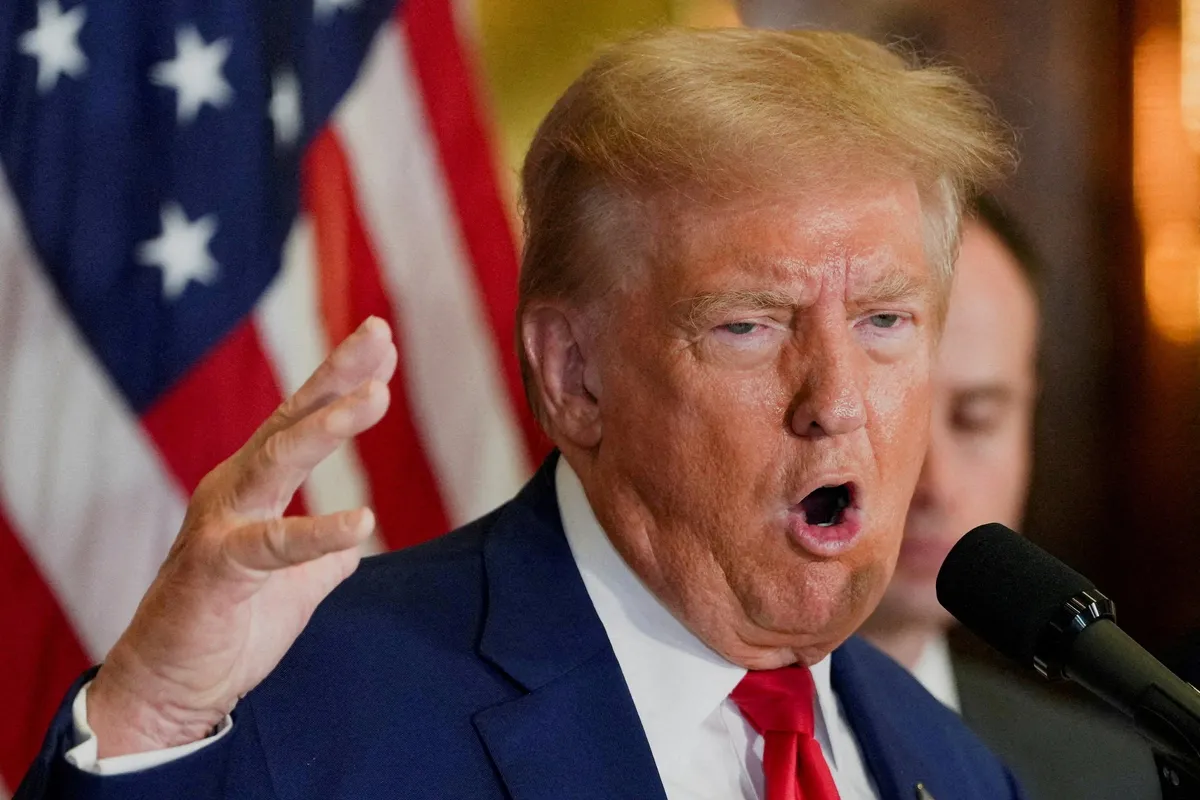
The foundational rule of modern political theater was not drafted in a campaign war room or a policy think tank. It was forged in the mid-twentieth century by Roy Cohn, the ruthless fixer who first rose to national prominence as counsel to Senator Joseph McCarthy during the 1950s anti-communist hearings before becoming a defining mentor to a young Donald Trump. Cohn's core lesson was simple: sustain an unceasing stream of controversy, deny everything, and counterattack relentlessly, and by Tuesday the public will have forgotten Monday's transgressions entirely.
That psychological tactic has defined Trump's political career. Yet as the United States approaches the crucial November 3 midterm elections, the strategy is being pushed to its breaking point.
According to a detailed assessment by David Remnick in The New Yorker, an analysis framed around what the country faces after Election Day, the current administration depends heavily on the distraction of an exhausted nation. By keeping the public in a state of perpetual fatigue, the normal rules of political accountability evaporate, and what would ordinarily register as a major scandal is quickly buried beneath the next day's headlines.
Each week brings a fresh wave of monetization and unorthodox political behavior, from the promotion of meme coins and pay-for-access clubs to compliance from top administration officials, as the boundaries of traditional governance are continually tested. Critics seized on one moment in particular: when Attorney General Todd Blanche was asked by Kristen Welker on NBC's Meet the Press whether he would cross ethical or legal lines for the President, his absolute defense—insisting the President would never ask him to do anything illegal—demonstrated the total loyalty expected within this ecosystem, a dynamic explored further in a report by The Guardian on his DOJ confirmation.
Still, while the Cohn method of continuous counter-punching effectively keeps political opponents off balance, it cannot entirely mask the structural realities facing the administration.
The upcoming vote is shaping up as a historic referendum. As the first nationwide electoral test of the administration, it will place every seat in the House of Representatives and roughly one-third of the Senate on the ballot, and widespread indicators point toward a potential Democratic "blue wave." While political forecasters attach nervous caveats to any polling data, underlying anxiety across the political landscape is palpable. If a sweeping blue wave doesize, it would force the administration to confront a sharp diminishment of its legislative power.
Meanwhile, reports compiled by outlets such as The Daily Beast have begun to detail shifting dynamics behind closed doors. Observers have noted an increasingly erratic schedule, characterized by late-night social media activity and visible exhaustion during rigorous campaign events.
Beyond messaging strategies and campaign optics, the administration's transactional approach to governance is yielding severe real-world outcomes—and this is where the true danger of the Cohn playbook manifests. While the public is trapped in a state of perpetual exhaustion over daily online feuds and political sideshows, the administration is able to quietly execute sweeping structural changes with devastating consequences.
The starkest example of this distraction machine in action is the sudden weaponization of the federal budget. Under cover of the daily media noise, tech billionaire Elon Musk was unleashed to dramatically slash the budget of the U.S. Agency for International Development (USAID), the agency that administers the bulk of American civilian assistance worldwide, fundamentally altering decades of global health policy. Intensive research published in The Lancet highlights that USAID's historic efforts against malaria, polio, malnutrition, and HIV saved an estimated 90 million lives over two decades. Experts tracking the fallout note that while headlines remain fixed on political theater, these quiet budget cuts could ultimately be responsible for the loss of hundreds of thousands of lives globally, as detailed by The Economist.
Ultimately, the Roy Cohn playbook is highly effective at winning daily news cycles and deflecting immediate criticism. But as voters prepare to head to the polls, the administration faces a fundamental question: can a strategy built entirely on distraction survive a direct collision with the ballot box—and with the human cost of its own policies?
This article was originally published by Alternet.

