OEUK Urges Faster Approval for Rosebank and Jackdaw UK Energy Projects
Key Takeaways
- •Rosebank and Jackdaw were approved by the previous Conservative government in 2022 and 2023, but both have since faced two years of uncertainty.
- •Rosebank represents £8.7bn of private investment and is the largest advanced UK energy project still awaiting regulatory approval.
- •Jackdaw involves £2.1bn of investment, with more than three-quarters of that spending expected to take place in the UK.
- •Together, the projects could generate £28.7bn in gross value added, support more than 3,500 jobs at peak construction and deliver up to £3.8bn in tax revenue by 2034.
- •OEUK says faster consent would help restore investor confidence, reduce reliance on imports and unlock a wider pipeline of offshore energy projects.
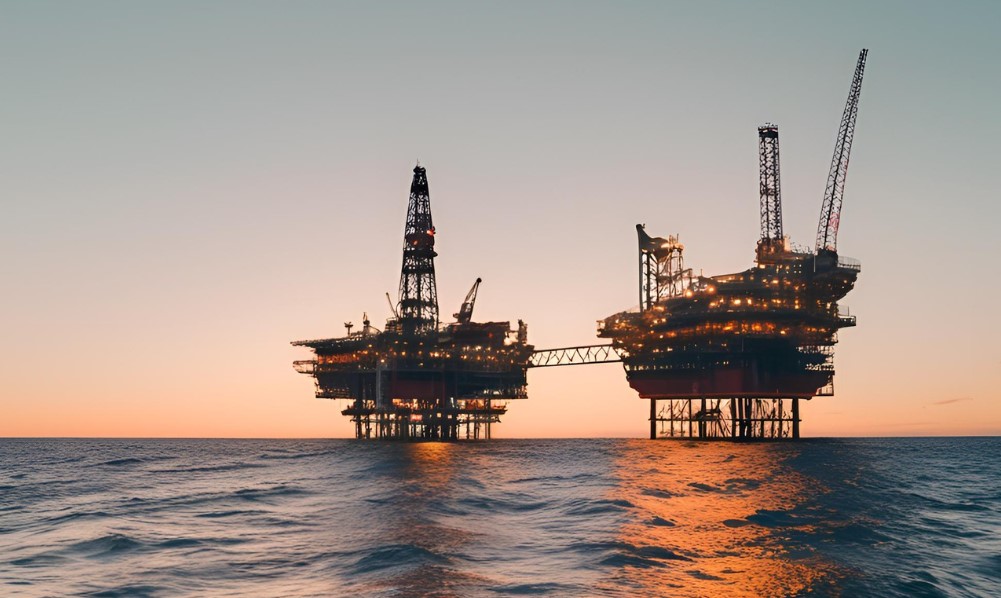
Offshore Energies UK has called on the government to accelerate consent for the Rosebank and Jackdaw developments, arguing that the two projects are critical to domestic energy supply, investment and employment.
The trade body made its case in response to public consultations on both projects. The Jackdaw consultation runs until August 10, while the Rosebank process closes on August 17.
Rosebank, located about 80 miles west of the Shetland Islands, represents £8.7bn ($11.6bn) of private investment and is the largest advanced UK energy project still awaiting regulatory approval. Jackdaw, situated around 150 miles east of Aberdeen, involves £2.1bn ($2.8bn) of investment, more than three-quarters of which is expected to be spent in the UK.
The projects were approved by the previous Conservative government in 2022 and 2023, but they have since faced two years of uncertainty. Around £3bn ($4bn) has already been invested in preparations.
OEUK said the delays have weakened confidence in domestic oil and gas development and increased reliance on imports. The organisation said imported supplies can carry a carbon footprint up to four times higher than production from UK waters.
Together, Rosebank and Jackdaw are expected to generate £28.7bn ($38.2bn) in gross value added over their operating lives, support £9.1bn ($12.1bn) in supply-chain activity and deliver up to £3.8bn ($5.1bn) in tax revenue by 2034. Their progress is being watched closely because they are among the UK’s largest offshore developments still moving through the current regulatory process, and OEUK says decisions on them will affect wider confidence in North Sea investment.
The projects could support more than 3,500 jobs at peak construction and sustain about 880 positions during production. They are also expected to create at least 125 apprenticeships.
At peak output, the fields could account for 10% of UK domestic gas production and 10% of oil output. Rosebank has an expected operating life of 25 years, while Jackdaw is forecast to produce for 11 years.
“Permission for these two projects would help clear the log jam preventing development of other projects in the North Sea,” said OEUK chief executive David Whitehouse.
Whitehouse added that approval would help restore investor confidence and show that the revised regulatory process can move projects forward.
OEUK also called for faster implementation of the Oil and Gas Revenue Levy, saying it is needed to unlock a wider pipeline of 111 offshore energy projects.

