Romania Restarts Coal Plant as Danube Drought Forces Nuclear Shutdown
Key Takeaways
- •Romania restarted the Rovinari Group 4 coal-fired power unit, adding nearly 300 MW to the national grid.
- •Low water levels on the Danube forced the shutdown of both reactors at the Cernavoda nuclear power plant.
- •Cernavoda’s two reactors each have an installed capacity of 680 MW and normally supply about 20% of Romania’s electricity.
- •Nuclearelectrica began disconnecting the remaining operating reactor at Cernavoda on August 13, and officials do not expect a restart within ten days.
- •Romania’s coal restart highlights the tension between its 2032 coal phaseout target and the need to maintain grid stability during extreme weather.
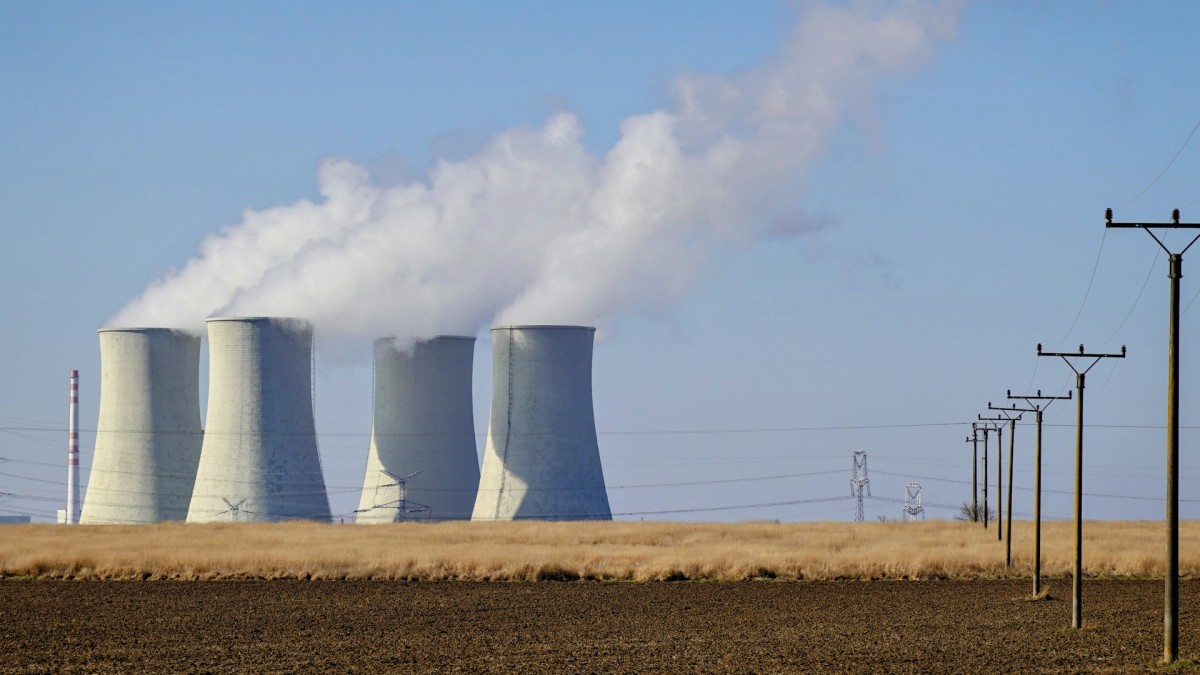
Romania has this week restarted a 300-megawatt coal-fired power plant to partially offset the generation lost after low water levels on the Danube River forced the shutdown of the country's only nuclear power plant.
Romania, which lost 20% of its power generation with the closure of both reactors at its Cernavoda nuclear power plant, has brought the Rovinari Group 4 coal-fired power unit back online. The additional coal-fired generation is adding nearly 300 megawatts (MW) to the National Energy System just as the evening consumption peak was expected to approach 7,000 MW, Cristian Bușoi, State Secretary at Romania's Ministry of Energy, told local media. Rovinari is part of state-owned Complexul Energetic Oltenia, the lignite-fired generation hub in Romania's Gorj County coal basin, and its return to service highlights the balancing act between Romania's commitment to phase out coal by 2032 under reforms linked to EU recovery funding and the immediate need to keep the grid stable during extreme weather.
The two reactors at the Cernavoda nuclear power plant each have an installed capacity of 680 MW and typically generate about 20% of Romania's power output. However, the lowest water levels on the Danube in 90 years forced Romania in recent weeks to shut down both reactors amid an insufficient water supply to cool them. Cernavoda's units are CANDU-6 pressurized heavy water reactors that draw their cooling water from the Danube, tying their availability to the river's flow.
At the end of last week, Romania began shutting down its only remaining operating nuclear reactor, as record-low water levels on the Danube have forced nuclear power shutdowns across central and eastern Europe in recent weeks. Nuclearelectrica, the Romanian state-owned nuclear power plant operator, said on August 13 that it had launched the process to disconnect the one operating reactor at Cernavoda, which sits on the Danube.
Nuclearelectrica had shut down the other reactor at Cernavoda at the end of July, as scorching temperatures and drought in Europe this summer sank water levels on the Danube to their lowest in 90 years. Europe has faced comparable drought-driven constraints on its power system before, notably in the summer of 2022, when low rivers curtailed hydropower output and disrupted barge shipments of coal.
"We do not foresee a restart within the next ten days," Romeo Urjan, director of the Cernavoda plant, told AFP last Thursday. Until Danube flows recover, coal-fired capacity such as Rovinari Group 4 will continue to partially fill the gap left by the offline reactors.
The low water levels on the Danube have affected Hungary's only nuclear power plant as well. Hungary is sinking barges in the Danube to keep its Paks nuclear power plant, which generates a third of the country's electricity, running.
By Michael Kern for Oilprice.com

