Rolls-Royce Shares Surge as the Engineering Firm Raises Guidance on Strong First-Half Profit
Key Takeaways
- •Rolls-Royce raised its full-year operating profit guidance to a range of £4.7bn to £4.9bn, up from the previous estimate of £4bn to £4.2bn and well ahead of analyst expectations of approximately £4.2bn.
- •The company reported £2.5bn in underlying operating profit for the first half of the year, representing a 46 per cent increase compared to the same period last year.
- •Rolls-Royce's defence division recorded £2.4bn in new orders during the period, boosting its total order backlog to £17.5bn, which equates to more than three years of revenue.
- •The company has completed £1.4bn of its £2.5bn share buyback programme that is scheduled to continue until 2028.
- •Statutory profit for the first half fell to approximately £1.6bn from £4.4bn a year earlier, a decline management attributed to disposals and foreign exchange rate movements.
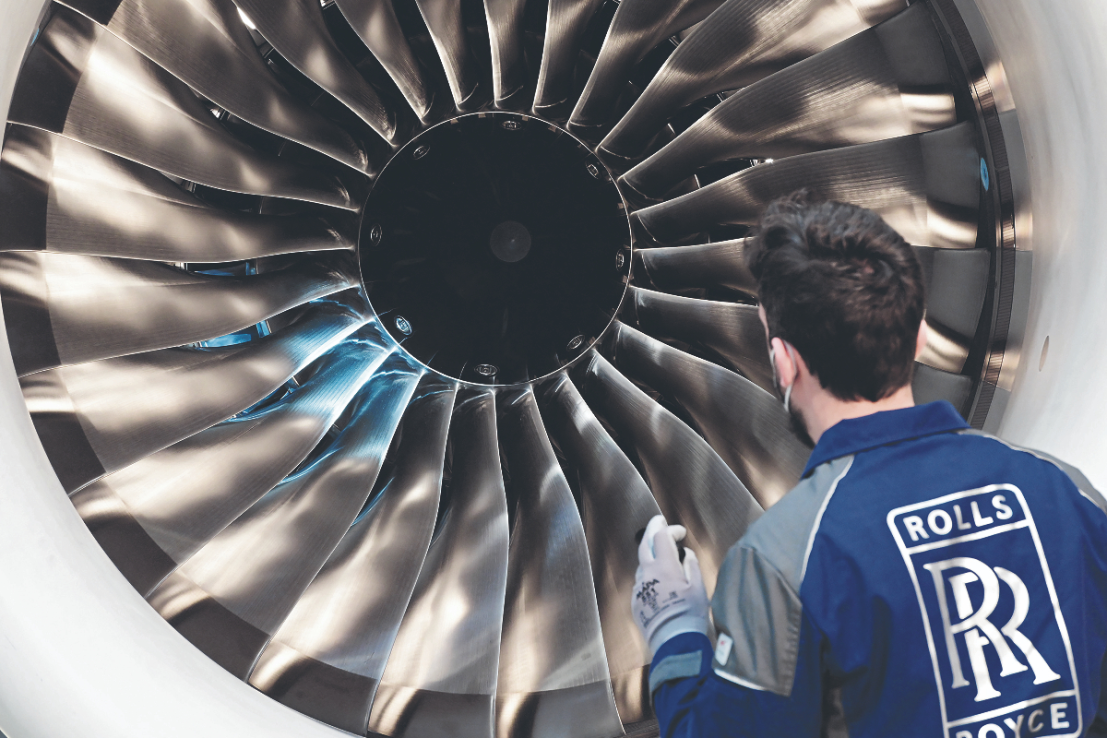
Rolls-Royce shares jumped on Thursday after the FTSE 100 engineering firm raised its full-year profit targets and reported a near 50 per cent increase in first-half operating profit, driven by rising profitability across all divisions amid a boom in defence spending and sustained post-pandemic recovery in global long-haul flying.
The company posted £2.5bn in underlying operating profit for the first six months of the year, up 46 per cent on the same period last year. Rolls-Royce now expects full-year underlying operating profit of between £4.7bn and £4.9bn, raised from its previous range of £4bn to £4.2bn. Analysts had been forecasting approximately £4.2bn for the year.
Chief Executive Tufan Erginbilgic, who took the helm in 2023 and initiated a sweeping overhaul of the aerospace and engineering group after describing the legacy business as a "burning platform," said the company's "transformation continues to deliver."
"We are demonstrating that Rolls-Royce is now a very different company to that of the past," Erginbilgic said. "We have unlocked new growth opportunities across the group and created a resilient and diversified portfolio, with three strong businesses that can respond to changes in the external environment with agility and pace."
The former BP executive highlighted improved profitability in the civil aerospace division—where revenue from servicing its Trent engines scales with international flight hours—and the company's established leading position in defence. Shares rose nearly four per cent in early trading.
Statutory profit for the first half stood at approximately £1.6bn, down from £4.4bn in the first six months of last year. Management attributed the decline to disposals and exchange rate movements.
Rolls-Royce announced an interim dividend of 6p per share. Erginbilgic indicated the company could raise its guidance further for 2026. Basic earnings per share came in at around 19p, according to new company data.
The stock has climbed more than 42 per cent over the last year, with notable gains in December and June. Agreements on small modular reactors across Europe have helped Rolls-Royce extend its footprint in the nuclear energy sector. Erginbilgic expressed "confidence" that profit targets would be met across defence, civil aerospace, and power systems.
Share Buyback and Defence Outlook
The company is £1.4bn through a £2.5bn share buyback programme scheduled to run until 2028.
Against a backdrop of rising geopolitical tensions that have prompted NATO members to increase military budgets, Emily Sawicz, industrials senior analyst at accountancy firm RSM UK, described the results as "good news," noting all divisions had performed "strongly."
"In defence, Rolls's development programme has been bolstered by orders from several NATO members including the UK and Canada," Sawicz said. "The uptick in UK spending set out in the Defence Investment Plan (Dip) will provide the confidence for the business to invest, whilst supporting the UK supply chain."
The comments reference government plans to spend an additional £15bn on defence over the next four years. However, questions are mounting for new defence secretary Wes Streeting over how the Dip will be funded. Chancellor John Healey also faces pressure to find extra cash to raise defence spending to three per cent of GDP by 2030, having previously resigned from Sir Keir Starmer's government over the issue.
Rolls-Royce reported a defence order intake of £2.4bn, bringing its total backlog to £17.5bn — equivalent to more than three years of revenue. The company highlighted deals to supply engines for Turkish jets and the Australian navy's new general-purpose frigates. Trading cash flow for the defence division has also increased year-on-year, with defence ranking second only to civil aerospace in divisional performance.

