Robinhood Rejects AMC's Demand to Halt $2.9B Tokenized Stock Product
Key Takeaways
- •Robinhood's Chief Legal Officer Dan Gallagher refused AMC's demand to halt trading of AMC-linked stock tokens and told AMC to send its lawyers, a position backed by CEO Vlad Tenev.
- •AMC CEO Adam Aron argued the Jersey-based product sits outside U.S. securities protections and that token holders lack voting rights or a direct stake in the company.
- •Robinhood's stock tokens are issued by Robinhood Assets (Jersey) Limited with underlying shares held by a licensed custodian, but ownership does not make investors shareholders of the referenced company.
- •U.S. regulators are examining how securities laws apply to blockchain-based stock products, distinguishing issuer-backed offerings from third-party tokenized exposure.
- •No enforcement action or court ruling had been taken against or in favor of Robinhood's product as of the time of the dispute.
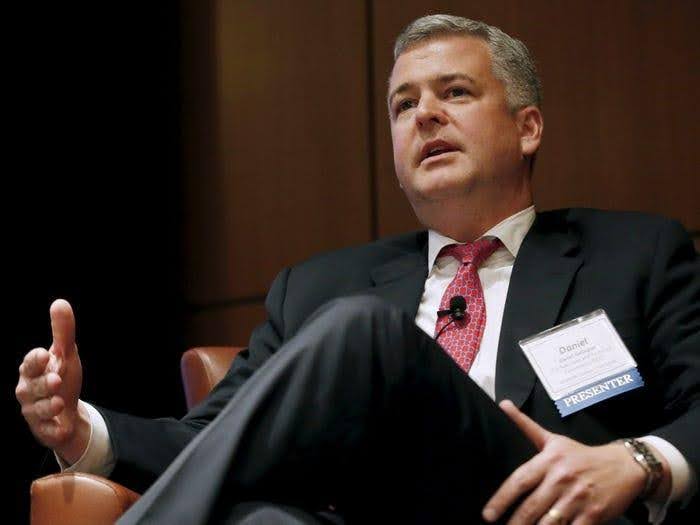
The standoff between AMC Entertainment and Robinhood over the brokerage's tokenized stock offering has intensified. Robinhood's Chief Legal Officer Dan Gallagher has refused AMC's demand to cease trading of AMC-linked stock tokens, and instead instructed the company to send its lawyers. The dispute illustrates a broader point: putting stock exposure onchain does not automatically grant token holders the same legal rights as traditional shareholders.
Robinhood Pushes Back Against AMC
AMC CEO Adam Aron publicly asked Robinhood to halt trading in the newly launched AMC tokens. He questioned how Robinhood can market an AMC-themed product from its base in Jersey while, in his view, remaining outside the reach of U.S. securities protections.
Seriously? What's the concern you ask, @vladtenev ? The list of concerns is almost existential. U.S. securities laws are in place to protect investors. For good reason, we spend millions and millions of dollars every year to comply with U.S. securities laws. In good. conscience,… — Adam Aron (@CEOAdam) September 4, 2026
Aron raised a further complaint: unlike ordinary AMC shareholders, token holders do not have voting rights or a direct stake in the company. For AMC, whose retail shareholder base has been a defining feature of the company since the 2021 meme-stock era, the question of who counts as a shareholder carries particular weight.
Gallagher replied on X that Robinhood would not comply, and told AMC to dispatch its lawyers. The exchange drew widespread attention, and Gallagher's response was subsequently backed by Robinhood CEO Vlad Tenev.
AMC Tokens Do Not Equal AMC Shares
The structure of Robinhood's tokenized stock product sits at the heart of the disagreement. According to Robinhood's documentation, its stock tokens are issued by Robinhood Assets (Jersey) Limited and each token represents a specific stock or ETF. The underlying shares are held with a licensed custodian.
However, owning one of these tokens does not necessarily make the investor a shareholder of the referenced company. Token holders may hold an economic interest in the asset without the voting rights that come with direct share ownership, or a direct claim against the underlying business entity.
This distinction is critical for crypto investors. Tokenization can place financial exposure and transaction records onchain, but the blockchain itself does not create the legal rights of ownership.
Tokenized Stocks Face a Regulatory Test
The AMC–Robinhood dispute unfolds as U.S. regulators examine how securities laws should apply to blockchain-based stock products. Regulators have distinguished between issuer-backed offerings and third-party products that provide tokenized exposure to another company's shares.
In an issuer-backed scheme, a company or its representative uses blockchain infrastructure to record or update the ownership or shareholder register. Third-party tokenized products may operate differently, potentially creating contractual rights against the token issuer rather than against the company whose shares are referenced.
A Bigger Fight Over Stock Tokenization
The AMC dispute does not establish that Robinhood violated U.S. securities laws. As of the time of the dispute, no enforcement action or court ruling had been taken against or in favor of the product.
As billions of dollars in stock value moves toward blockchain-based infrastructure, the responses of regulators and financial platforms to these questions will shape the future of tokenized equities. For retail investors, the immediate practical difference is clear: tokenized exposure tracks a stock's price, but not the governance and legal standing that come with owning the share itself. How regulators resolve that gap — and whether platforms like Robinhood adjust their structures in response — is the question to watch as this dispute moves toward the lawyers.
Source: CryptoNinjas
