Robinhood Chain's Record Activity Points to Memecoin Speculation, Not Tokenized Stocks
Key Takeaways
- •Robinhood Chain processed a record 5.52 million transactions on August 30, 2026, alongside roughly $875 million in decentralized exchange volume.
- •Users launched approximately 22,600 tokens in a single day through the Pons launchpad, resembling low-barrier launchpads like pump.fun on Solana.
- •Memecoin-focused tools GMGN and Pons, together with Uniswap, generated about 88% of the chain's $2.66 million in 24-hour app revenue.
- •The chain launched on July 1, 2026 to host tokenized stocks and real-world assets, yet by its first week tokenized RWAs were worth only about $12.8 million, mostly tokenized stocks.
- •It remains unclear whether memecoin-driven activity is a temporary bootstrapping phase or a permanent shift, as speculative trading activity has historically migrated quickly on other chains.
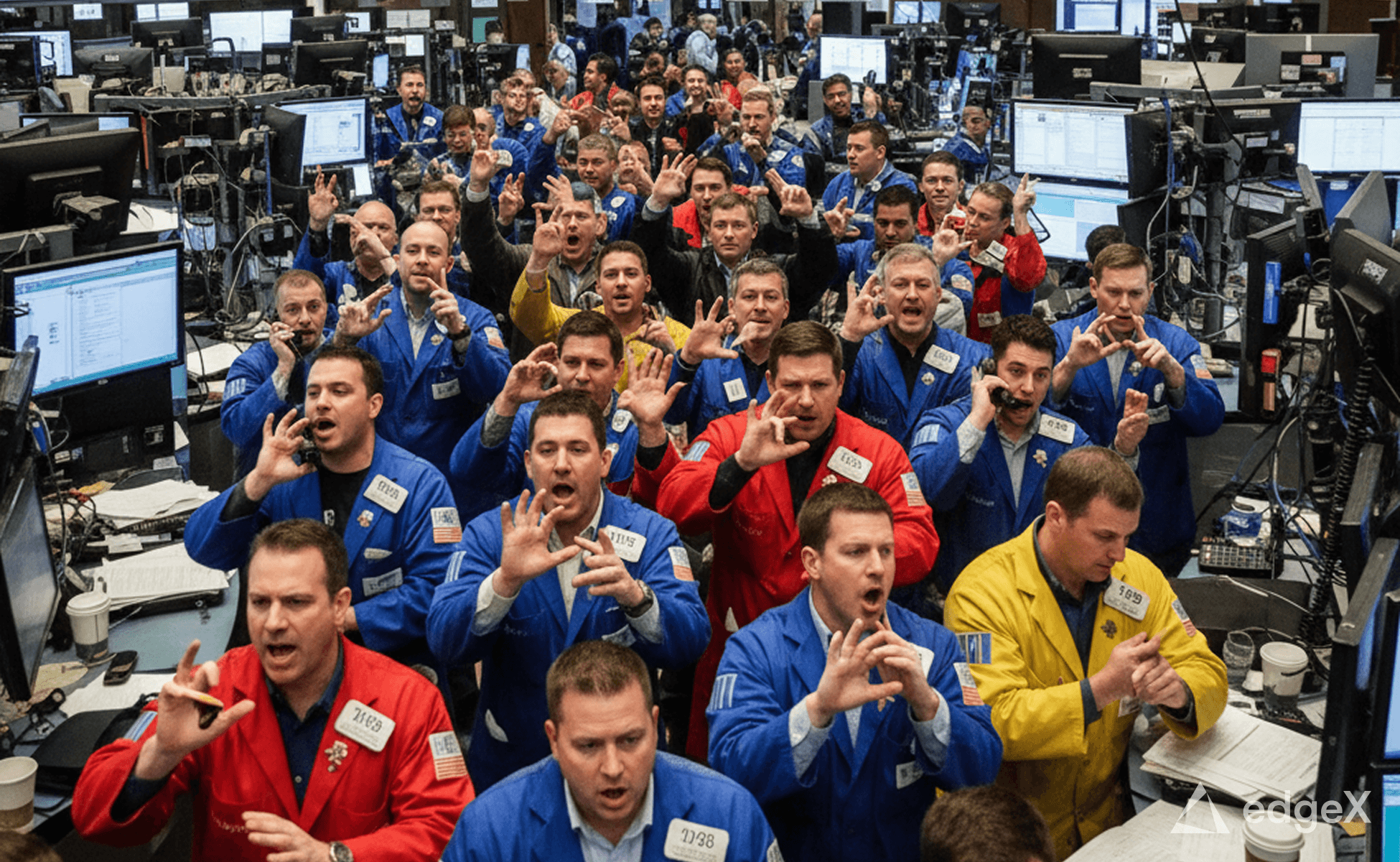
Two months after launch, Robinhood Chain increasingly resembles a memecoin casino rather than the tokenized-stock market it was designed to host.
On August 30, 2026, the blockchain processed a record 5.52 million transactions, while decentralized exchanges on the network recorded approximately $875 million in trading volume.
The clearest signal of what is actually driving activity, however, came from the Pons launchpad: users launched roughly 22,600 tokens in a single day. That kind of token-launch volume mirrors the low-barrier launchpad model popularized elsewhere in crypto, most notably pump.fun on Solana, where anyone can create a token in minutes and most launched tokens quickly lose nearly all value.
According to DefiLlama data, memecoin trading tools GMGN and Pons, together with Uniswap, generated about 88% of the chain's $2.66 million in app revenue over a 24-hour period — roughly twice Ethereum's app revenue and six times that of Base. GMGN, originally built around Solana memecoin trading, and Pons, a launchpad in the same mold, are tools whose user bases are overwhelmingly speculators rather than investors in tokenized equities.
This marks a striking departure from Robinhood's original pitch. The company launched the Ethereum-compatible chain on July 1, 2026 specifically to bring tokenized stocks and other real-world assets (RWAs) onchain — part of a broader push by traditional financial firms, including major banks and asset managers, to bring conventional instruments onto blockchains. Instead, speculative tokens have become the network's dominant source of activity.
The contrast was already visible in July, when the chain saw over $170 million in stablecoin issuance and roughly 200,000 users in its first week of launch. At that point, tokenized RWAs on the chain were worth about $12.8 million, including $10.7 million in tokenized stocks, while memecoins and stablecoins dominated both activity and value on the network.
The open question for Robinhood is whether this represents a bootstrapping phase — with memecoin traders providing the liquidity, users, and transaction volume needed to get the chain off the ground — or whether the network is developing an entirely different identity from the regulated tokenized-equity marketplace it was designed to become. The distinction matters beyond Robinhood: chains that build activity on speculative trading have historically seen that activity migrate quickly when trends shift, while tokenized-RWA volumes remain small industry-wide relative to speculative DeFi volume.
For now, 22,600 tokens launched in a single day stands as a strong indication of where the market sees the opportunity.
The development echoes a broader trend of mainstream financial institutions engaging with memecoins, as seen when a trillion-dollar institutional asset manager added memecoins into its crypto ETF.
