Solana Co-Founder Anatoly Yakovenko Debates Robinhood Chain Fee Model with Offchain Labs' Steven Goldfeder
Key Takeaways
- •Anatoly Yakovenko argued that the 10% revenue share Robinhood pays to Arbitrum could cover Solana's transaction fees multiple times over, potentially funding a fully gasless experience.
- •Steven Goldfeder responded that the arrangement Yakovenko proposed would effectively force Robinhood to subsidize fees and leave it worse off than under Solana's fee structure.
- •Robinhood Chain is being built as an Arbitrum Orbit chain, and similar revenue-sharing models exist in the Arbitrum ecosystem, such as the Xai rollup directing sequencer revenue to the Arbitrum DAO treasury.
- •Gas fees are a sensitive design choice for Robinhood because its brand was built on zero-commission trading, and on-chain costs reintroduce friction it historically removed.
- •The debate highlights how fee model design directly influences user engagement and adoption across crypto platforms, with outcomes potentially shifting user preferences.
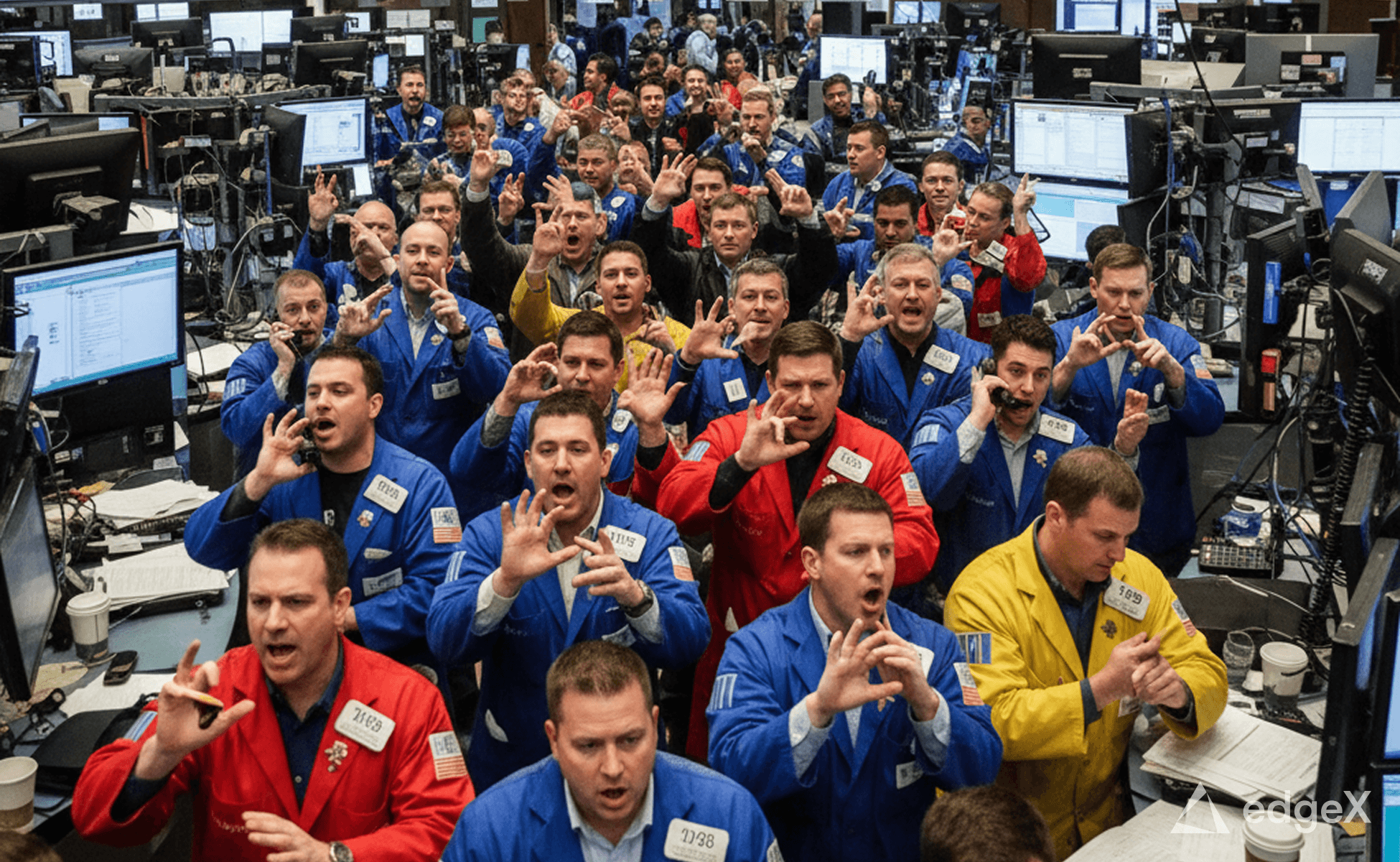
Offchain Labs co-founder Steven Goldfeder and Solana co-founder Anatoly Yakovenko have engaged in a heated public debate over the fee model underpinning Robinhood Chain. As noted in a recent post by @WuBlockchain (source), Yakovenko argued that the 10% revenue share paid to Arbitrum could cover Solana's transaction fees multiple times over — money that could instead allow Robinhood to offer users a fully gasless experience. The exchange highlights evolving dynamics within the crypto ecosystem and raises broader questions about user experience in decentralized finance.
The Story So Far
The back-and-forth between Yakovenko and Goldfeder reflects wider tensions around transaction fees across the crypto sector. Yakovenko contended that Robinhood's fee model, which retains a significant share of revenue on Arbitrum, could be structured to deliver more value to users. Goldfeder countered that such an arrangement would effectively force Robinhood to subsidize fees, placing the company in a less favorable position than it would face under Solana's fee structure.
The dispute is rooted in Robinhood Chain's underlying architecture: the network is being built as an Arbitrum Orbit chain, a framework from Offchain Labs that lets projects deploy their own rollups on top of Arbitrum's technology stack. Revenue-sharing arrangements of this kind have precedent in the Arbitrum ecosystem — gaming-focused rollup Xai, for example, was launched with a similar model in which a portion of network sequencer revenue flows back to the Arbitrum DAO treasury. For a consumer-facing platform like Robinhood, which built its brand on zero-commission trading, the cost of on-chain transactions for users is a particularly sensitive design choice, since gas fees reintroduce a form of friction the company has historically eliminated in equities trading.
The debate comes amid mixed signals in the broader crypto market, with momentum varying across major assets.
For context, Solana is a high-performance blockchain platform built for decentralized applications and crypto projects, and is known for its low transaction fees and high throughput. Fee model design is significant because it directly affects user engagement and the overall adoption of crypto platforms — a point both founders implicitly acknowledged, since their disagreement centered not on whether fees matter, but on which chain's economics make a gasless experience more sustainable for the operator.
Key Levels to Watch
Traders and crypto observers will be watching how these discussions shape the adoption of different fee models across platforms. The outcome could influence shifts in user preferences, particularly if Robinhood's strategies evolve in response to community sentiment surrounding gas fees. As the market continues to fluctuate, transaction efficiency is expected to remain a critical topic of discussion.
This article is for informational purposes only and does not constitute financial advice.
