Robinhood CEO Vlad Tenev's X Account Hacked to Promote Fake 'Vladhood' Token
Key Takeaways
- •Attackers compromised Robinhood CEO Vlad Tenev's verified X account to promote a fraudulent meme coin called Vladhood (VLAD), falsely claiming it was the official mascot of Robinhood Chain and slated for app listing.
- •Robinhood confirmed the breach from its official communications account, stating the post was unauthorized and that the account was subsequently secured with X's assistance.
- •The hack fits a wider pattern of celebrity and executive account takeovers on social media platforms used to pump fraudulent tokens, despite tightened security measures across the industry.
- •Robinhood Chain, an Ethereum layer-2 network launched on July 1 for tokenized stocks and real-world assets, has seen early activity dominated by speculative meme coins and associated scams.
- •At least one trader reportedly lost $56,000 to a compromised smart contract on Robinhood Chain, highlighting real financial harm from the platform's growing meme coin ecosystem.
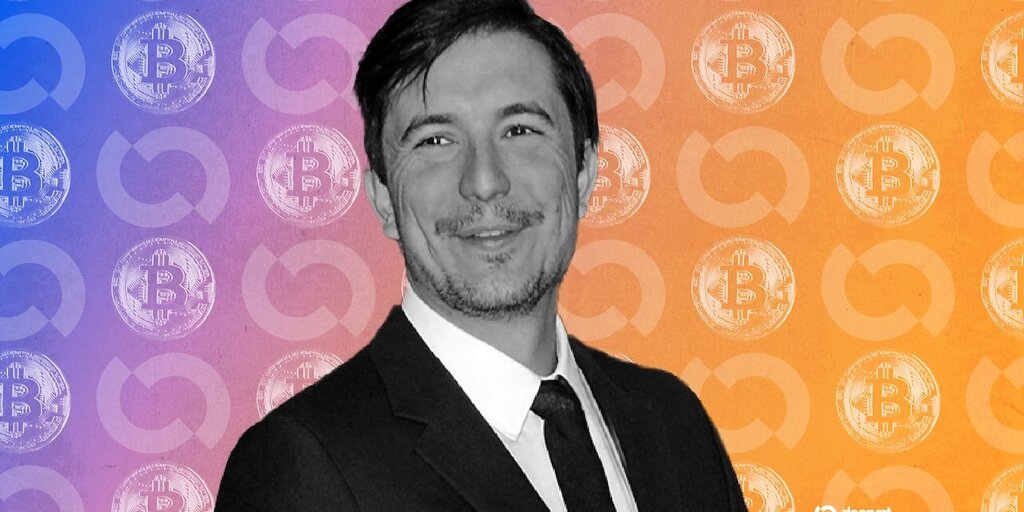
Attackers hijacked Robinhood CEO Vlad Tenev's verified X account on Thursday to promote a fraudulent meme coin called Vladhood (VLAD), marking the latest scam to exploit the brokerage's growing cryptocurrency footprint.
Robinhood's communications team confirmed the breach, stating that Tenev's account was briefly compromised by attackers who used it to promote the unauthorized token. The company emphasized that the post was not authorized and that the account was subsequently secured.
The deceptive post, which has since been deleted, advertised a token called Vladhood, trading under the ticker VLAD, and presented it as the "official mascot of Robinhood Chain." The fraudulent message went further, falsely claiming the coin was slated for listing on the Robinhood app—a tactic designed to leverage Tenev's verified profile to lend the scheme credibility. The exploit is particularly potent because compromised verified accounts can reach millions of followers before platform moderation intervenes, and because blockchain transactions are irreversible, meaning victims typically have no recourse once funds are sent.
"Our CEO Vlad Tenev's X account was compromised and posted a fake promotion for a meme coin," the company wrote from its official communications account, confirming the token was not authorized.
🚨Heads up: Our CEO Vlad Tenev's X account was compromised and posted a fake promotion for a meme coin. We're working with X to restore access and the post has been removed.
— Robinhood Comms (@RobinhoodComms) July 23, 2026
The incident aligns with a broader pattern of high-profile account takeovers on X and other social media platforms. Throughout 2024, as meme coin trading surged, several celebrity accounts were hacked to promote fraudulent tokens, including those of Sydney Sweeney, Doja Cat, and 50 Cent. The persistent attacks underscore that even as platforms have tightened security measures, the combination of paid verification badges and real-time crypto markets continues to create a fertile environment for social engineering scams.
The hack also highlights the growing pains of Robinhood Chain, the Ethereum layer-2 network whose public mainnet launched on July 1. Originally pitched as infrastructure for tokenized stocks and other real-world assets, the network has seen early activity dominated by speculative meme coins, attracting a wave of scams and rug pulls. The disconnect between the chain's stated institutional purpose and its actual early usage mirrors a challenge faced by other layer-2 networks, which have frequently seen meme coin speculation outpace adoption for their originally intended use cases.
Losses have already mounted. One holder of CashCat—among the chain's most prominent meme coins—reportedly lost $56,000 to a compromised smart contract. Other traders have described funds vanishing the instant their swap transactions confirmed.
For Tenev, who previously dismissed assets lacking underlying utility before acknowledging that his chain "works great for memes too," the breach illustrates how meme coin speculation can overwhelm even platforms designed for serious trading. As Robinhood continues to expand its cryptocurrency business—including rolling out services in international markets—the incident serves as a reminder that brand credibility in crypto can cut both ways, lending legitimacy that scammers are quick to exploit.

