Robinhood CEO Says Tokenization Could Open Major Financial Assets to Everyone 24/7
Key Takeaways
- •Robinhood's CEO described tokenization as a way to provide 24/7 access to major financial assets beyond conventional market schedules.
- •The Cointelegraph post did not identify specific assets involved or provide a timetable for any new Robinhood offering.
- •Major institutions including BlackRock and JPMorgan have already adopted tokenized or blockchain-based products, placing the remarks within a broader industry shift.
- •Actual access to tokenized assets depends on platform rules, regulations, investor eligibility, and each product's legal structure.
- •Robinhood has previously expanded blockchain-related services, including stock tokens launched for EU users in mid-2025.
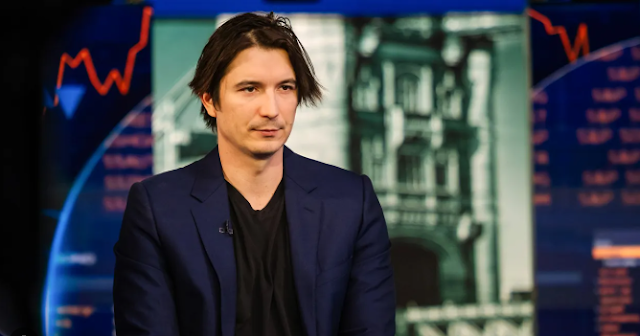
Cointelegraph reported the remarks in a post on X. Robinhood's CEO framed tokenization as a mechanism for making financial assets available beyond the traditional schedules and access structures of conventional markets.
Robinhood Highlights 24/7 Access Through Tokenization
The central point of the statement is the potential for tokenized assets to be accessible around the clock. Traditional financial markets generally operate according to defined trading hours and settlement processes, whereas blockchain-based assets can be transferred on networks that run continuously.
Robinhood's CEO positioned tokenization as a way of opening access to major financial assets for a broader audience. The Cointelegraph post, however, did not identify which specific assets were being referenced or detail how Robinhood intends to expand its tokenized offerings.
The statement also did not establish that every asset represented through tokenization would automatically become available to all investors. Access can depend on the platform offering the product, applicable regulations, investor eligibility, and the structure of the underlying asset.
Tokenization Connects Traditional Assets With Blockchain
Tokenization generally involves creating blockchain-based representations of assets that exist within traditional financial markets. Depending on the structure, a token can represent an ownership interest, an economic claim, or another legally defined relationship with an underlying asset.
The comments also fit within a broader industry shift. Major financial institutions have moved into tokenized products in recent years, including BlackRock's launch of a tokenized US dollar institutional fund on Ethereum in 2024, and banks such as JPMorgan have used blockchain-based platforms for wholesale transactions. Regulators, including the US Securities and Exchange Commission, have discussed tokenization as part of capital markets modernization, though the regulatory treatment of specific tokenized products continues to vary by jurisdiction.
For Robinhood, the comments place tokenization within the broader development of digital financial infrastructure. The company has been active in expanding its cryptocurrency and blockchain-related services, including its rollout of stock tokens for users in the European Union in mid-2025, although the source post does not specify a particular new Robinhood product or launch tied to the statement.
The 24/7 element is notable because blockchain networks do not necessarily follow the operating calendars used by stock exchanges and other traditional venues. Tokenized instruments can potentially be transferred whenever the relevant blockchain infrastructure and market are available. That does not mean every tokenized asset trades continuously, however. Market availability remains dependent on the platform, liquidity, legal structure, and the rules governing each product.
Access Remains Tied to Market Structure
Robinhood's CEO did not provide further details, in the statement cited by Cointelegraph, about which financial assets could be brought onto blockchain networks or how access would be structured.
Instead, the comments underscore the broader proposition that tokenization can change how traditional financial assets are represented and accessed. The specific benefits available to investors will depend on how individual tokenized products are designed and regulated.
For now, the key detail from Robinhood is its emphasis on 24/7 accessibility. The company's CEO describes tokenization as a mechanism for opening access to major financial assets, while the Cointelegraph post does not identify a specific asset or a timetable for a new offering. Future announcements from Robinhood and other trading platforms about which assets are tokenized, and under which regulatory frameworks, would indicate how this proposition develops in practice.

