Robert Reich Links Higher Prices to Trump Allies’ Contracts, Tariffs and Health-Care Policies
Key Takeaways
- •Investment companies backed by Donald Trump Jr. and Eric Trump have accumulated between $3.2 billion and $6.3 billion in direct Pentagon contracts, current funding and future contract options since January 2025, according to reporting cited by Reich.
- •Gasoline prices have risen by roughly $1.50 per gallon since the war in Iran began, with Americans spending an additional $65 billion on gasoline and diesel averaging $7 per gallon.
- •Companies including Apple, Tesla and Reyes Holdings received tariff exemptions after donations to Trump, while worldwide tariffs have added an estimated $1,100 to annual household costs and $10,900 to the construction of a new single-family home.
- •Affordable Care Act premiums are expected to average $2,136 this year, 58 percent higher than last year, and nearly 5 million people are projected to lose coverage after congressional Republicans did not renew the Premium Tax Credit.
- •Big Tech has borrowed more than $500 billion this year, helping push the average 30-year fixed mortgage rate to 7.33 percent, the highest level since late 2023, while AI data center expansion is raising electricity prices in affected areas.
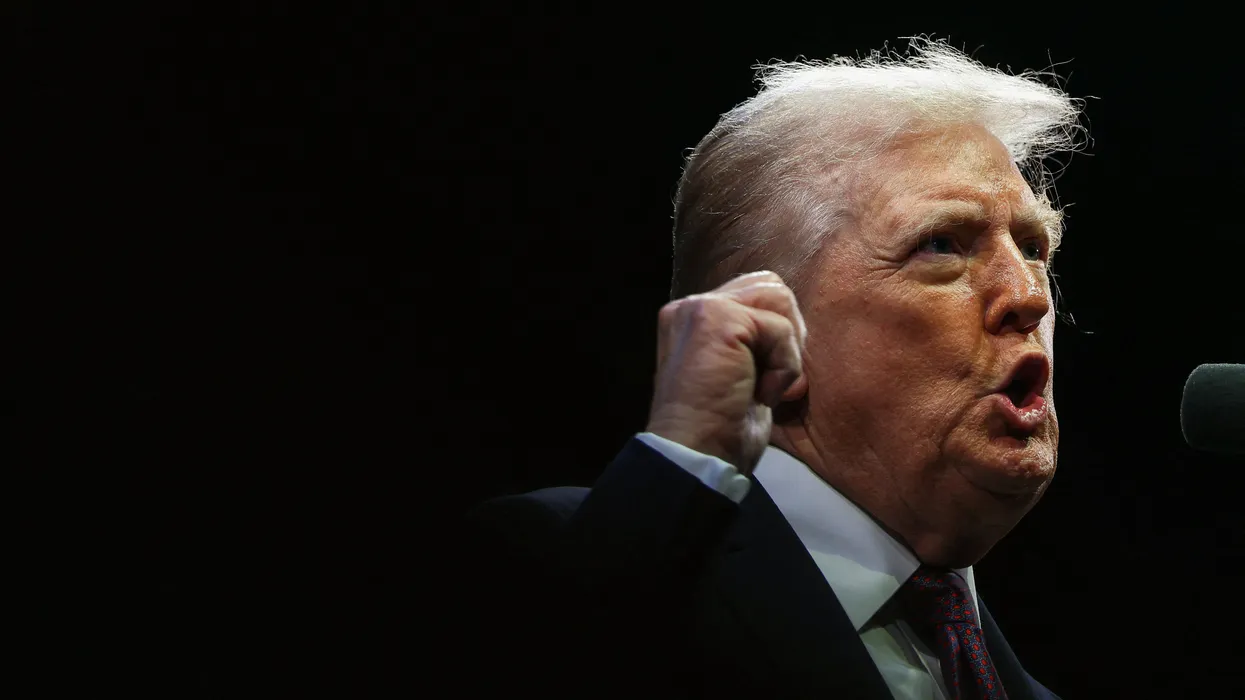
Robert Reich argues that Democratic candidates should focus in the final five weeks before the midterm elections on two connected issues: rising prices and what he describes as corruption involving the Trump administration and its Republican allies. In his telling, decisions made at the top—on contracts, tariffs, borrowing and health-care funding—show up in the prices households pay.
He points first to the Trump-Republican war on Iran and its effect on military contractors, fuel prices and household costs. Palantir, founded by Peter Thiel, whom Reich describes as an ally of Donald Trump and JD Vance, is a major artificial-intelligence and data-integration partner of the U.S. Department of Defense. Investment companies backed by Donald Trump Jr. and Eric Trump have accumulated between $3.2 billion and $6.3 billion in direct Pentagon contracts, current funding and future contract options since January 2025, according to reporting cited by Reich (The Washington Post).
At the same time, Reich says the war has contributed to higher fuel costs. Gasoline, which cost $2.98 per gallon before the war, now costs between $4.42 and $4.47 per gallon—an increase of about $1.50. Americans have spent an additional $65 billion on gasoline since the war began, according to Scripps News. Diesel has reached an average of $7 per gallon. Higher fuel costs for trucks that transport goods to retailers are also passed on to consumers.
Reich's second argument concerns tariff exemptions and carve-outs. Tariffs are import duties paid by companies bringing goods into the country, and he says the administration has granted waivers to industries and companies that have made financial contributions to Trump, while tariffs have raised costs more broadly. Polyethylene terephthalate, the thermoplastic used in plastic bottles, received a tariff exemption that benefited Reyes Holdings, a Coca-Cola bottler among the largest privately held companies in the United States. The company is owned by two brothers who have donated millions of dollars to Republican causes, according to reporting cited by Reich (ProPublica).
After Apple Chief Executive Tim Cook contributed $1 million to Trump's inauguration, Apple received tariff exemptions for its products, Reich writes, citing The Washington Post. After Elon Musk contributed a quarter of a billion dollars to Trump's 2024 campaign, Tesla received a tariff exemption for electronics, according to Barron's. The worldwide tariffs that enabled the exemptions have increased annual household costs by an estimated $1,100, according to The Budget Lab at Yale.
Reich also links Trump's support for artificial intelligence to higher borrowing and electricity costs. The AI industry's spending on the 2026 midterm elections is projected to exceed $200 million, with almost all of the money going to Republican candidates and Trump's own super PAC, a type of political committee that can accept unlimited contributions from donors, according to Business Insider.
He writes that Big Tech has borrowed more than $500 billion so far this year. Combined with the costs of the war in Iran, that borrowing is crowding out other borrowers and contributing to higher rates for mortgages, auto loans and credit-card overdrafts. The expansion of AI data centers is also raising electricity prices in areas where the facilities are consuming large amounts of power.
Those pressures are also affecting housing, which is among voters' leading concerns this election cycle. The average rate on a 30-year fixed mortgage, the benchmark loan for most American homebuyers, is 7.33 percent, higher than at any point since late 2023. Reich attributes part of the increase to the war and AI-related borrowing, citing housing concerns documented by CNBC.
Tariffs have also driven up lumber and building-material prices. The National Association of Home Builders estimates that tariffs on those materials have added $10,900 to the cost of constructing a new U.S. single-family home (NAHB). Copper, which is used in electrical wiring for residential and commercial construction, has risen 40 percent over the past year because of tariffs and demand from data centers, according to CNN. A typical home requires hundreds of pounds of copper.
Reich's fifth point is that tax cuts for wealthy corporations and individuals have come at the expense of health care and health insurance for average Americans. He says congressional Republicans cut Medicaid and failed to renew health-care tax credits, forcing millions of people to pay more for coverage or go without it. Trump and congressional Republicans passed what Reich calls the largest Medicaid cut in history; he says it will leave 10 million people uninsured and make providers serving low-income communities vulnerable to private-equity takeovers. Analysis of the legislation—the One Big Beautiful Bill Act—and its coverage effects is available from American Progress and the Urban Institute.
Millions of Americans are expected to pay an average of $2,136 in annual Affordable Care Act premiums this year, 58 percent more than last year; in some states, premiums are up to 220 percent higher. Nearly 5 million people will lose coverage this year because congressional Republicans did not renew the Premium Tax Credit, the federal subsidy that lowers monthly premiums for people buying coverage through the ACA marketplaces, Reich writes. At least 115 hospitals and clinics in 32 states have closed or reduced services because of Republican health-care cuts. Additional analyses cited in the article include ACA Signups, the Senate Finance Committee and Economic Populist.
Reich says the connections extend to TrumpRx, which Trump introduced earlier this year while claiming it would make prescription drugs more affordable. The platform does not disclose information about cheaper generic alternatives and, in some cases, charges consumers more than other sellers, according to a report by House Democrats Energy and Commerce Committee.
The Groundwork Collaborative has argued that the Trump family and pharmaceutical companies are the main beneficiaries of TrumpRx. Donald Trump Jr. serves on the board of BlinkRx, a drug platform that benefits from the administration's promotion of direct-to-patient medicine sales. BlinkRx donated $50,000 to Trump's inaugural committee. When patients use TrumpRx instead of insurance, they pay the drug cost themselves, reducing expenses for insurers while they continue collecting premiums.
Despite Trump exempting 17 of the largest pharmaceutical companies from threatened pharmaceutical tariffs, those companies have continued to raise prices on nearly 900 drugs, Reich writes. Gilead, Merck and Pfizer each donated $1 million to the Trump-Vance inaugural committee, as did the Pharmaceutical Research and Manufacturers of America, which lobbies for the pharmaceutical industry. Related reporting includes Reuters and NPR.
Reich concludes that voters should understand the alleged connection between higher prices and what he calls corruption by the Trump administration and its Republican enablers. He writes that wealthy Americans and large corporations have benefited while working Americans bear higher costs. With less than five weeks remaining before the November 3 midterm elections, he says Democrats should emphasize both the rising cost of everyday goods and the policies and relationships he identifies as contributing to those increases. The timeline leaves concrete markers to watch: the lawmakers' calls for a Pentagon probe of the family-backed firms, the fate of the nearly 5 million people projected to lose coverage, and whether Democratic candidates adopt the two-track message he recommends.
Robert Reich is a professor of public policy at the University of California, Berkeley, and served as U.S. secretary of labor from 1993 to 1997. His writings can be found at The original article is available at https://www.alternet.org/trump-family-corruption-2677974524/.

