Ripple Partners With Stripe-Owned Privy to Embed XRP and RLUSD Wallets Into Apps
Key Takeaways
- •Ripple partnered with Privy, a Stripe-owned wallet infrastructure provider, to introduce embedded wallets on the XRP Ledger, with the partnership announced on October 13.
- •The integration allows developers to programmatically create and manage XRPL wallets supporting XRP, RLUSD, and other ledger-issued assets, eliminating the need to build custom wallet and key-management systems.
- •Users can access cryptocurrency features through email and social logins while keeping an exit path to self-custody via private key and seed phrase exports.
- •The partnership equips AI agents with XRPL accounts capable of automated payments through the x402 protocol, a standard Coinbase introduced in 2025 that revives the HTTP 402 Payment Required status code.
- •Future enhancements include developer policy controls and transaction fee sponsorship, which remain planned features rather than confirmed capabilities in the initial rollout.
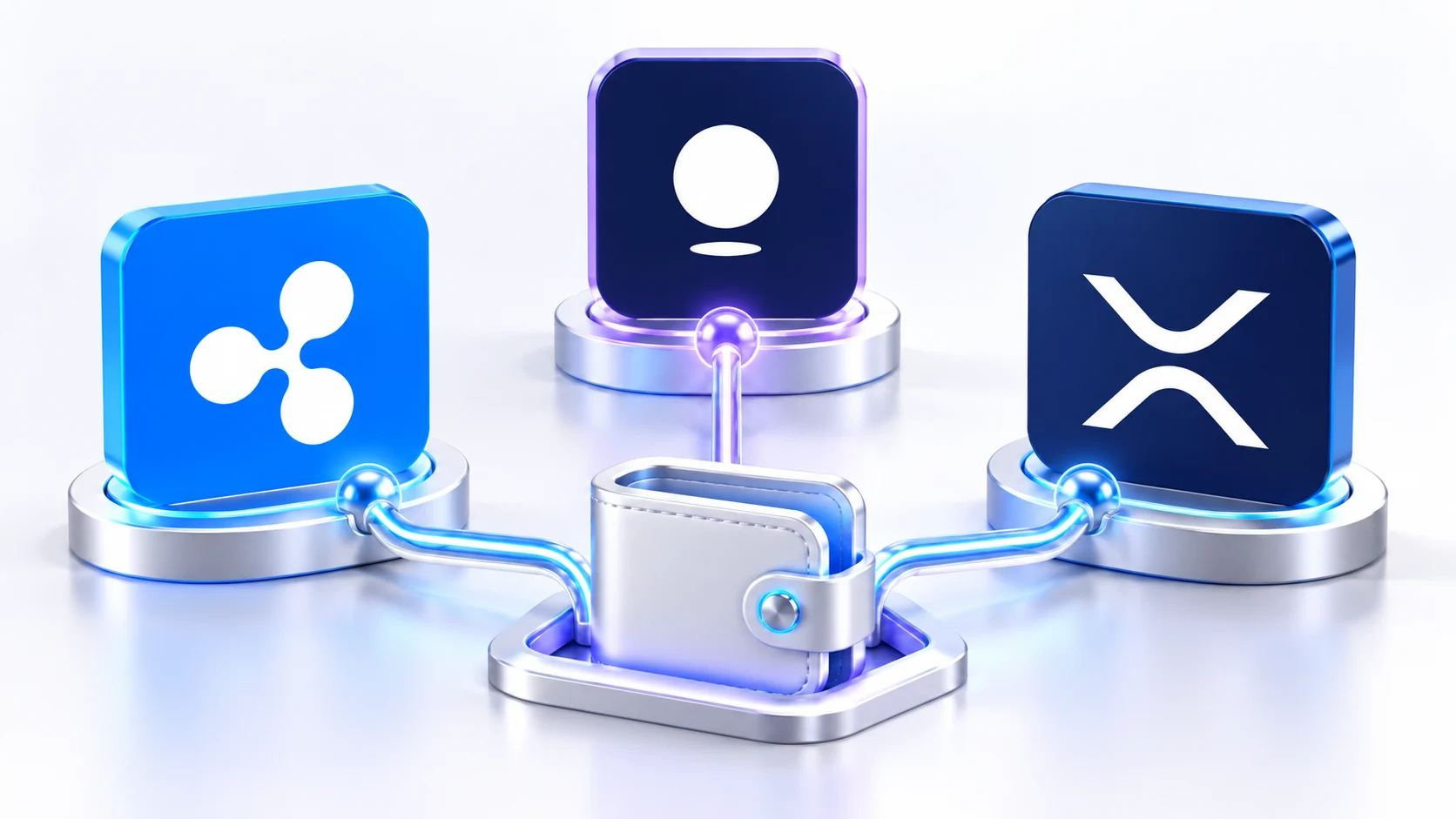
Ripple has partnered with Privy, a wallet infrastructure provider owned by payments company Stripe, to bring embedded wallets to the XRP Ledger (XRPL), allowing developers to integrate XRP, RLUSD and other digital assets directly into applications without building their own wallet infrastructure.
The October 13 partnership introduces programmable wallet creation, transaction signing and support for automated payments, including transactions initiated by AI agents using the x402 protocol.
Developers can offer cryptocurrency functionality through familiar authentication methods, including email and social logins, without requiring customers to install separate wallets or manually manage private keys during onboarding. The integration also supports private key and seed phrase exports, allowing users to move their wallets outside applications built with Privy. Embedded wallets of this kind have become a common pattern in consumer applications, shifting key management to application-level infrastructure while keeping an exit path toward self-custody.
XRP and RLUSD Payments Integrated Into Applications
Privy's infrastructure will allow fintech companies, payment providers and application developers to create and manage XRP Ledger wallets programmatically. Applications can use these wallets to hold digital assets, sign transactions and facilitate payments involving XRP, the native asset of the ledger; Ripple's RLUSD stablecoin, which launched in December 2024; and other XRPL-issued assets.
The integration removes the need for developers to build wallet creation, key management and transaction-signing systems independently.
"Privy brings proven wallet infrastructure that makes it easier for fintechs and developers to bring XRPL into real products, from payments and stablecoin experiences to emerging forms of agentic commerce," said Markus Infanger, senior vice president of RippleX at Ripple, in the partnership announcement.
The collaboration also extends Stripe's cryptocurrency infrastructure reach. Stripe announced its acquisition of Privy in June 2025, with the wallet provider continuing to operate as an independent product. The Privy deal followed Stripe's completion of its acquisition of Bridge, a stablecoin infrastructure provider, in February 2025, extending the payments company's buildout of digital asset infrastructure.
AI Agents Gain Access to Programmable XRP Ledger Wallets
The partnership also targets autonomous software capable of holding funds and executing transactions. Privy's server-side wallets will allow developers to equip AI agents with XRPL accounts that can send payments for digital services, including through x402.
The x402 protocol enables machine-readable payment requests, allowing software to pay for services such as API access, data and computational resources without conventional checkout processes. Introduced by Coinbase in 2025, the standard revives the long-unused HTTP "402 Payment Required" status code, giving web servers a built-in way to request payment for digital resources.
Ripple previously introduced an XRPL AI toolkit supporting wallet creation, balance checks, transaction execution and x402 payment workflows using XRP and RLUSD. Privy has independently developed agent wallet authorization, allowing software agents to transact with permissions approved by users. The integration brings those infrastructure capabilities to XRPL, where applications can combine payment execution with programmable wallet management.
AI-driven transactions are already expanding across other blockchain networks. Coinbase's x402 payment infrastructure has processed more than 160 million transactions, while Base has recorded substantial activity involving automated stablecoin payments.
Privy Plans Additional Transaction Controls
The XRP Ledger has grown to more than eight million funded accounts and processed over $1 trillion in transferred value during its operating history, figures highlighted in Privy's partnership announcement. Launched in 2012, the ledger was designed around payments and settlement, the same function these embedded wallets are intended to perform inside third-party applications.
The companies intend to expand the integration with additional policy controls and transaction fee sponsorship. Policy controls are designed to give developers more authority over permitted wallet activity, while fee sponsorship would allow applications to cover blockchain transaction costs on behalf of users.
These capabilities are planned enhancements rather than features confirmed as available in the initial integration. Privy has published XRPL integration documentation for developers, with programmable wallet creation and transaction signing forming the foundation of the new Ripple partnership.

