Ripple Invests in ZILO and Licuido to Scale XRPL Tokenization Infrastructure
Key Takeaways
- •Ripple has invested in ZILO and Licuido to support tokenization infrastructure development on the XRP Ledger.
- •Key deal particulars including investment amounts, equity stakes, closing dates, and each company's specific operational role have not been independently verified or officially disclosed.
- •The XRP Ledger supports native issued-currency functionality, allowing digital asset creation and trading directly on-ledger without requiring smart contracts.
- •Boston Consulting Group has projected that the tokenized asset market could reach $16 trillion by 2030, underscoring growing institutional interest in the sector.
- •The investments signal that Ripple is prioritizing ecosystem-level funding to advance tokenization rather than building first-party products directly.
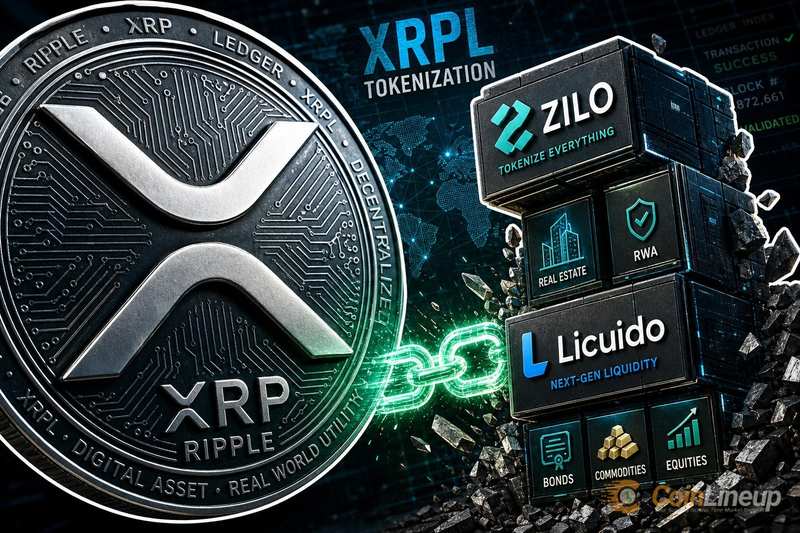
Ripple has invested in ZILO and Licuido, two companies connected to efforts aimed at scaling tokenization on the XRP Ledger (XRPL). The investments are positioned as backing for XRPL tokenization infrastructure, though independently verified details regarding deal terms, deal sizes, closing dates, equity stakes, and each company's specific role remain undisclosed.
The fundamental facts are clear: Ripple is the investor; ZILO and Licuido are the recipients of the funding; and the stated objective is to expand tokenization capabilities on the XRPL. The move aligns with the profile of an ecosystem or infrastructure investment rather than a first-party product launch. Tokenization — the blockchain-based representation of real-world and financial assets — has drawn growing institutional interest, with Boston Consulting Group projecting the tokenized asset market could reach $16 trillion by 2030.
No official Ripple statement has been made available explaining why the two firms were selected. Precise descriptions of how each company advances token issuance, settlement, or broader tokenization workflows are not documented in the current record. The XRPL was designed with native issued-currency functionality, enabling digital asset creation and trading directly on-ledger without smart contracts — a technical differentiator as the protocol competes with Ethereum, Polygon, and other chains for tokenization use cases.
Why ZILO and Licuido Could Matter for XRPL Tokenization
Backing two firms simultaneously suggests Ripple is seeking to strengthen more than one link in the tokenization chain — both the layers responsible for issuing tokenized assets and those handling their movement post-issuance. For tokenization on the XRPL to reach production-grade usability, both functions need to mature in parallel.
The common thread connecting these investments is XRPL tokenization specifically, rather than generic blockchain adoption. This targeted focus mirrors a broader pattern of large players making strategic infrastructure bets. A comparable move in the wider crypto space includes Citadel Securities' $400 million investment in Crypto.com, which similarly aimed to anchor a position in crypto market infrastructure. That parallel illustrates the category of move, not the specifics of Ripple's arrangements.
What the Deals Signal for Ripple's XRPL Strategy
The investments indicate that Ripple considers tokenization a priority worth funding at the ecosystem level, where value is derived from enabling third parties rather than shipping products directly. Ecosystem investments carry significance because tokenization relies on issuers, service providers, and settlement rails all advancing concurrently.
The move also fits a wider institutional appetite for infrastructure over speculation, a trend visible as capital rotates toward operational build-out. Concurrently, exchanges have been tightening operational controls, with actions such as Luno restricting certain crypto transfers ahead of an August 31 deadline underscoring how much the industry's plumbing layer remains in flux.
The most useful confirmation going forward would be an official Ripple announcement detailing investment amounts, deal structure, and the intended tokenization use cases on the XRPL. Deal terms, financial figures, and role descriptions have been intentionally omitted where verification is lacking.

