Ripple CEO Brad Garlinghouse Says the US Can Still Become the World's Leading Crypto Hub
Key Takeaways
- •Ripple CEO Brad Garlinghouse said the U.S. can still become the global leader in cryptocurrency and urged policymakers to complete the remaining regulatory and legislative work.
- •An August 19 White House meeting brought together President Trump, crypto and tech executives, and regulators including SEC Chairman Paul Atkins and CFTC Chairman Michael Selig.
- •The CLARITY Act would divide digital-asset oversight between the SEC and CFTC and bar government officials and their spouses from holding or promoting cryptocurrencies while in office.
- •The House's reduced September schedule, with only four voting days before lawmakers leave ahead of the midterms, makes pre-election passage of the CLARITY Act extremely unlikely.
- •If no agreement is reached before the midterms, the bill could slip to a November lame-duck session, and midterm results could further reshape its prospects.
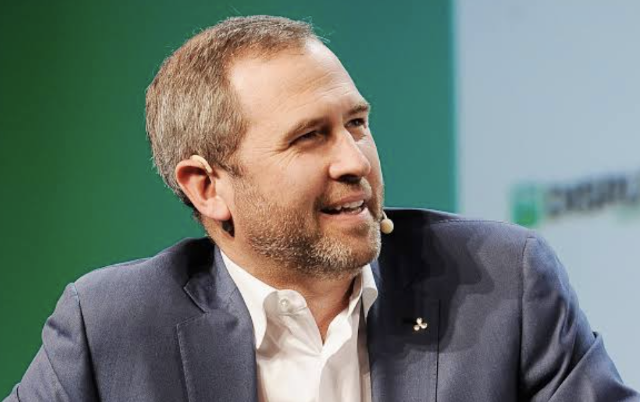
Ripple CEO Brad Garlinghouse said the United States can still achieve its ambition of becoming the world's leading center for cryptocurrency, despite continued uncertainty surrounding digital-asset regulation and legislation.
Garlinghouse made the comments in a post on X, responding to remarks from Commodity Futures Trading Commission (CFTC) Chairman Michael Selig concerning an August 19 meeting at the White House.
President Donald Trump hosted executives from cryptocurrency, financial and technology companies, together with senior federal financial regulators, during that meeting. Selig said the administration wants the next generation of financial infrastructure to be developed in the United States.
Garlinghouse urged U.S. policymakers to complete the remaining work needed to establish the country as a leading destination for cryptocurrency businesses and innovation. His comments highlight the importance that industry executives place on regulatory clarity as companies decide where to allocate capital, develop products and maintain operations. The issue has particular resonance for Ripple, which spent years in a legal dispute with the Securities and Exchange Commission over the status of its XRP-related sales before the case concluded, an experience industry participants have frequently cited when arguing for clearer statutory rules.
The Securities and Exchange Commission (SEC) and the CFTC currently hold major federal responsibilities for overseeing different parts of the digital-asset market. SEC Chairman Paul Atkins and Selig represented the two agencies at the White House meeting. Which of the two agencies holds jurisdiction over a given digital asset has been a long-running source of uncertainty for the industry, since tokens can be treated as securities, commodities or both depending on facts and circumstances, and the boundary is currently defined largely through enforcement actions and court rulings rather than comprehensive statute.
CLARITY Act Uncertainty Threatens September Crypto Legislation
The legislative path for the CLARITY Act remains a significant obstacle to the administration's broader cryptocurrency objectives.
The House of Representatives faces a reduced September voting schedule after Republican leaders canceled eight voting days across two weeks. Lawmakers are scheduled to return to Washington on September 14 for four voting days before leaving for the period leading into the midterm elections.
The compressed calendar makes congressional approval of the legislation before the elections extremely unlikely. Even if the Senate approves its version, the bill cannot be sent to President Trump without action from the House.
The two chambers have also developed different versions of the legislation, meaning lawmakers would need to resolve their differences before the measure could complete the legislative process.
The CLARITY Act would establish a framework dividing digital-asset oversight between the SEC and the CFTC. The proposed legislation would also bar government officials and their spouses from holding or promoting cryptocurrencies while serving in public positions.
For the cryptocurrency industry, the legislation is significant because clearer federal rules could provide greater certainty for businesses operating in the United States. However, the shortened congressional calendar and differences between the House and Senate versions have complicated the timetable.
Crypto Industry Looks Beyond the September Deadline
Garlinghouse's assessment that the United States can still become a global cryptocurrency center comes as lawmakers face a potentially extended legislative process.
If Congress fails to reach agreement before the midterm elections, consideration of the CLARITY Act could move into the post-election lame-duck session in November. That would prolong uncertainty over the regulatory framework governing digital assets in the United States. The outcome of the midterms themselves could also reshape the congressional arithmetic surrounding the bill, adding another variable to the timeline.
The White House meeting involving Trump, federal regulators and industry executives underscored the administration's stated interest in developing modern financial infrastructure domestically. Selig's comments also reflected the view that the United States should play a central role in the development of the next generation of financial technology.
For Garlinghouse, achieving that objective will depend in part on policymakers completing the regulatory and legislative work needed to provide greater clarity to the digital-asset industry. The timing of congressional action remains uncertain as lawmakers prepare to leave Washington ahead of the midterm elections.
