MAGA Media Influencers Face Declining Audiences Ahead of Midterms, New York Times Reports
Key Takeaways
- •The majority of prominent pro-Trump influencers identified by the Times, including Benny Johnson, Dan Bongino, Megyn Kelly, Candace Owens, and Ben Shapiro, have experienced significant audience declines during Trump's second term.
- •Experts attribute the downturn to reduced ability to generate political outrage while Republicans control Washington, a quieter midterm season, unexplained algorithmic changes on platforms like X, and competition from a newer generation of influencers.
- •Newer creators such as Clavicular and Asmongold have drawn viewers away from traditional pro-Trump commentators by blending political content with subjects like gaming and relationships.
- •Influencers who shifted to openly criticizing Trump, including Candace Owens and Nick Fuentes, have seen their audiences rebound, suggesting such figures may play an increasingly prominent role in right-wing media.
- •The declining viewership poses a direct challenge to the media infrastructure the Republican Party has relied on heading into the November midterm elections.
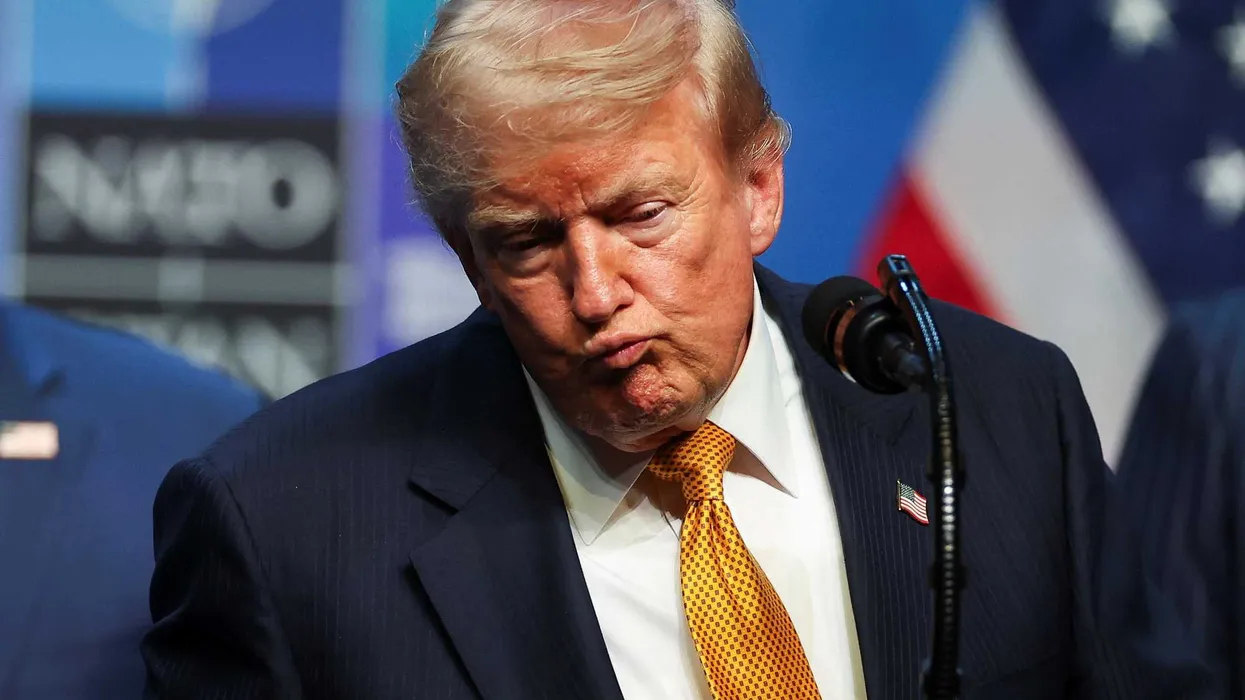
The media ecosystem of right-wing influencers that helped propel President Donald Trump into office is fracturing as the midterm elections approach, according to a New York Times report published Friday.
Once largely unified in their support for Trump, prominent right-wing content creators are now "embroiled in feuds and losing viewers, creating a problem for Republicans in the midterm elections," the Times reported. The influencer ecosystem had become a central pillar of Republican media strategy in recent cycles, as audiences migrated from traditional broadcast and cable news toward social media personalities who blended commentary with community engagement.
Ryan Broderick, founder of Garbage Day, a newsletter focused on online culture and influence, described the current media landscape as pivotal. "The vote is in November, but the heart of the midterms is happening now," he said. "A lot of the propaganda that they're pushing out just isn't really connecting the way it would have even three or four years ago."
The Times identified a constellation of online influencers — including Benny Johnson, Dan Bongino, Megyn Kelly, Candace Owens, and Ben Shapiro — who previously amplified pro-Trump messaging. The majority have experienced significant audience declines during Trump's second term. "The shifts add to a growing body of evidence that suggests the audience for pro-Trump content has fallen from its heights and, for some creators, has reached new lows," the Times noted. "Views are dropping for many of Mr. Trump's greatest allies, while some figures on the right who have taken to criticizing Mr. Trump are showing uneven gains."
The trend poses a direct challenge to the media infrastructure the Republican Party relies on. Of roughly a dozen leading MAGA content creators the Times examined, "Only a few saw their audiences grow since Mr. Trump's inauguration, while many more have seen their viewerships decline. Some creators, like Ms. Owens drew new audiences by posting about a broader range of topics."
Experts cited by the Times attribute the downturn to several factors, "including the difficulty in stoking political outrage while Republicans control Washington, along with a quieter midterm season." The pattern echoes a broader trend observed in partisan media across administrations: audience engagement tends to peak during periods of opposition and recede when the favored party holds governing power. Algorithmic changes on platforms such as X have also affected reach without explanation. Additionally, a newer generation of influencers — including Clavicular and the YouTube creator known as Asmongold — have drawn viewers away by blending political commentary with subjects like gaming and relationships.
Nick Fuentes, a white nationalist influencer who was once a vocal Trump supporter but has since become a sharp critic, observed the trend in a written post: "It seems that everyone in the space is experiencing a drop-off in views from 2025. Seems as though 2025 was the anomaly either due to organic interest or potentially artificial boosting."
Both Fuentes and Owens have seen their audiences rebound more recently after pivoting to openly criticizing Trump. As the Times concluded, "The success of disaffected Trump supporters like Mr. Fuentes and Ms. Owens suggests they will play a larger role in the future of right-wing content online."

