Rhode Island Lawmaker Urged to Resign After Relocating 1,000 Miles Away to South Carolina While Keeping Paycheck
Key Takeaways
- •Rep. Julie Casimiro made her Hardeeville, South Carolina home her primary residence as of July 1 while continuing to represent North Kingstown and Exeter remotely.
- •Casimiro plans to complete her term, retaining her $794.38 biweekly salary and health insurance until her successor takes office in January.
- •House Speaker Chris Blazejewski and Attorney General Peter Neronha have both called on Casimiro to resign over legal questions about her eligibility.
- •Rhode Island's constitution requires state representatives to be inhabitants of their districts, which underpins the dispute over her continued service.
- •If Casimiro resigns, her seat would stay vacant until January, leaving constituents without representation if a fall session convenes for a state Supreme Court confirmation vote.
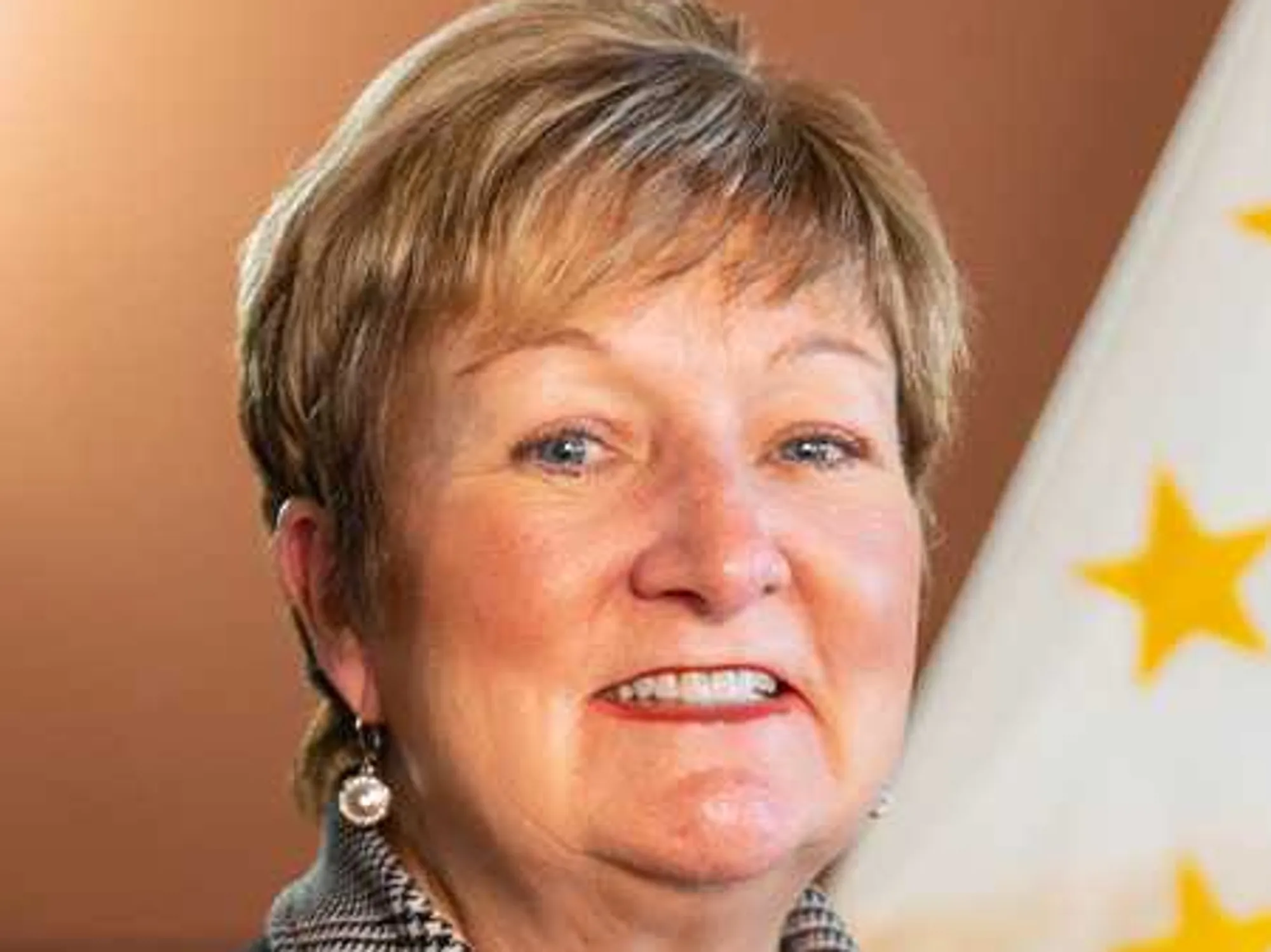
Rhode Island's House Speaker and Attorney General are both calling on a Democratic state lawmaker to resign after learning she quietly made a South Carolina home her primary residence — while continuing to collect her legislative salary and serve constituents from roughly 1,000 miles away.
State Rep. Julie Casimiro, who has represented North Kingstown and Exeter since 2017, made her home in Hardeeville, South Carolina her primary residence as of July 1, according to Boston Globe reporting. Casimiro is not running for reelection, but she says she intends to finish out her current term remotely, continuing to earn her $794.38 biweekly salary plus health insurance until her successor is sworn in this January.
The dispute touches on a long-running question in state legislatures: residency requirements for sitting lawmakers. Rhode Island's constitution requires state representatives to be inhabitants of their districts, and disputes over whether legislators have moved out of the areas they represent have surfaced in other states as well, typically forcing choices between resignation, relocation back, or serving out a term under legal challenge.
House Speaker Chris Blazejewski said the residency change raises real legal questions about her ability to keep serving.
"If she is no longer a permanent resident of the state of Rhode Island, in order to address legal questions about her eligibility to serve the balance of her term and in an abundance of caution, she should consider resigning her seat," Blazejewski said.
Attorney General Peter Neronha went further, confirming his office is actively reviewing the legal implications: "We are reviewing the applicable law, expect to say more in the coming days, and my advice is for her to resign."
Casimiro, who serves as vice chair of the House Oversight Committee, has defended her decision to stay in office, arguing that someone needs to continue representing her constituents. She says she plans to return to Rhode Island for meetings in September and would attend if lawmakers are called back into session this fall to vote on a state Supreme Court nominee.
If Casimiro does resign, her seat would remain vacant until a successor is sworn in in January, leaving her North Kingstown and Exeter constituents without a seated representative in the House for the remainder of the term — a gap that becomes more consequential if the fall session convenes for the Supreme Court confirmation vote.

