RFK Jr. Admits Eating 'Stuff I Find on the Street,' Staff Blocks Follow-Up Question in USA Today Interview
Key Takeaways
- •Kennedy's communications team halted an interview question about unconventional foods he may have eaten, with Kennedy citing a signal not to respond.
- •The Real Food Show, a White House-backed cooking series promoting affordable healthy meals, launched on July 30 with Kennedy preparing crispy salmon cakes in its first episode.
- •Kennedy follows a daily diet limited to meat and fermented foods, pairing steak with sauerkraut, a regimen reportedly also adopted by Vice President JD Vance.
- •Past unconventional incidents include Kennedy retrieving a dead bear cub he intended to eat, decapitating a beached whale, and claiming he once snorted cocaine off toilet seats.
- •Kennedy's food-policy initiatives at HHS have drawn support from wellness advocates while facing scrutiny from public health professionals over his prior statements on vaccines and nutrition science.
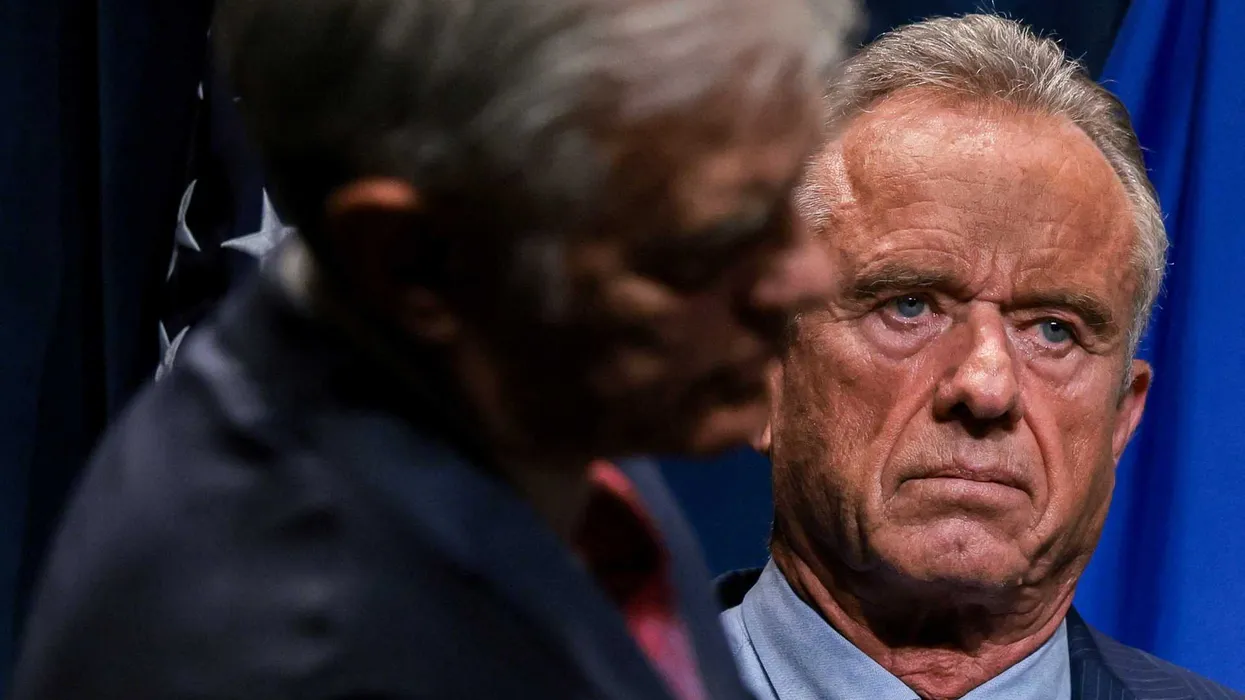
Health and Human Services Secretary Robert F. Kennedy Jr.'s communications team intervened to halt a line of questioning during a USA Today interview, moments after Kennedy disclosed that he will eat virtually anything — including food he encounters on the street.
Kennedy made the remarks during an exclusive video interview with USA Today's Francesca Chambers, conducted in connection with the launch of his new Real Food Show, a White House-backed cooking series designed to promote affordable, healthy meals. The show is part of Kennedy's broader "Make America Healthy Again" agenda at HHS, which has emphasized reducing ultra-processed foods, addressing chronic disease, and reshaping federal dietary guidance.
"I will literally eat anything… I don't have a gag reflex," Kennedy told Chambers. "When I travel, I'll eat, you know, even stuff I find on the street, you know, street vendors, cooking."
When Chambers pressed further, asking whether he had ever consumed something that left others astonished — "Like, is there stuff that you've eaten that people are like, wow. You ate that" — Kennedy sought clarification.
"You mean, like, something gross? Or?" he asked.
"Yes. Maybe gross for others. Yeah. Not for you," Chambers replied.
"I'm getting a signal not to answer that question," Kennedy said, effectively shutting down the line of inquiry. Chambers promptly pivoted to a discussion of Kennedy's views on veganism.
The exchange adds to a well-documented history of unconventional eating habits and behavior. In August 2024, Kennedy acknowledged that roughly a decade earlier he had retrieved a dead bear cub from a roadside, originally intending to consume it, before abandoning the carcass in Central Park and arranging it to resemble a bicycle accident, as NPR reported.
Earlier this year, Kennedy appeared on Theo Von's podcast and stated that he once snorted cocaine off toilet seats — a remark he offered while explaining why he chose to attend in-person recovery meetings during the COVID-19 pandemic, The Hill reported.
His daughter, Kathleen "Kick" Kennedy, told Town & Country magazine in 2012 that her father had used a chainsaw to decapitate a beached whale, secured the head to the roof of the family minivan, and driven it five hours to their home, ABC News reported. She said whale fluid dripped through the vehicle's windows throughout the entire journey.
Kennedy has previously described his daily diet as consisting solely of meat and fermented foods. He pairs each bite of steak with sauerkraut, calling it his "prescribed perfect way of eating," he told Chambers.
"A lot of pressure," Kennedy quipped, after reports surfaced that Vice President JD Vance had lost weight by adopting the same beef-and-sauerkraut regimen.
The Real Food Show launched on July 30, with its inaugural episode featuring Kennedy preparing crispy salmon cakes, according to the Department of Health and Human Services. The series represents one of the most visible public-facing efforts of Kennedy's tenure at HHS, where his food-policy initiatives have drawn both support from wellness advocates and scrutiny from public health professionals over his past statements on vaccines, chronic disease, and nutrition science.

