'Not Much Effect': RFK Jr. Dismisses SNAP Cuts as 5 Million Lose Aid, Including 1.5 Million Children
Key Takeaways
- •At least 5 million people, including roughly 1.5 million children, have lost SNAP assistance since the GOP budget law cuts took effect, according to new data.
- •Kennedy's assertion that only ineligible individuals lost SNAP benefits is contradicted by CBPP estimates showing many children and families were dropped despite still qualifying.
- •The Trump-GOP budget law cuts SNAP by approximately $190 billion over ten years, imposes stricter work reporting mandates, and requires states to cover a share of benefit costs for the first time.
- •CBPP warned the cuts' effects will likely worsen when the state cost-sharing provision takes full effect next year, potentially leading states to delay or improperly deny benefits to eligible people.
- •Food policy experts argue that cutting food assistance for millions of families undermines the stated nutrition and health goals of Kennedy's "Make America Healthy Again" initiative.
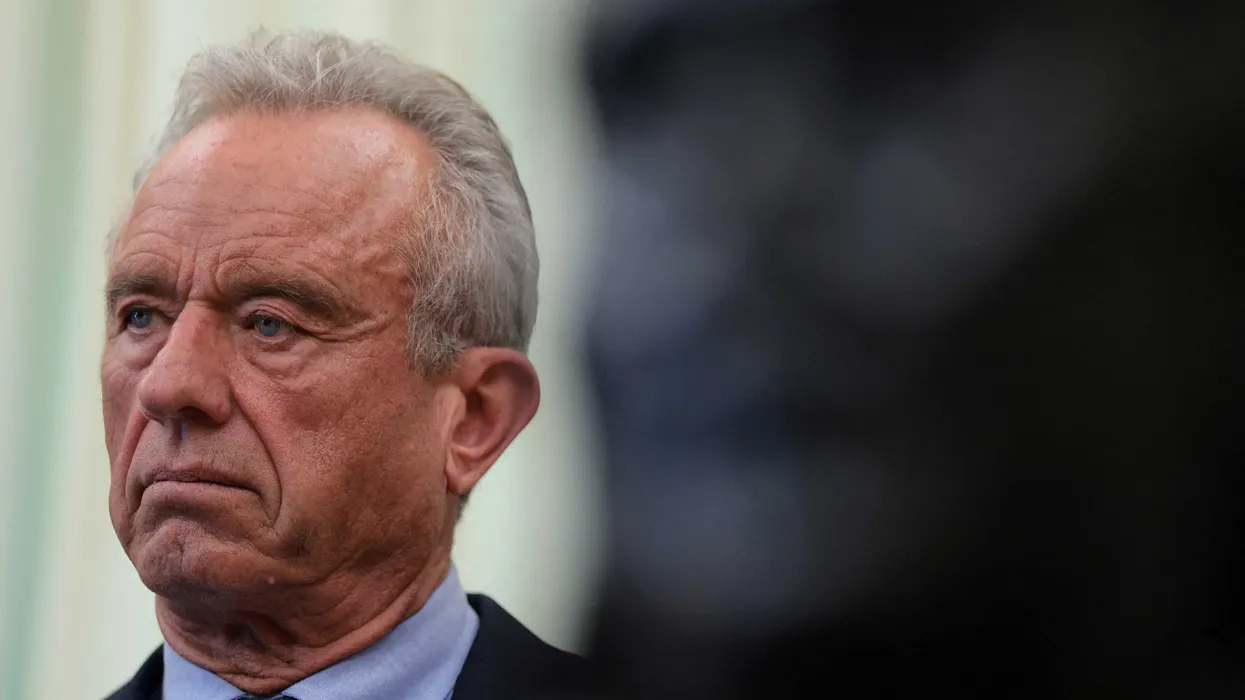
US Health and Human Services Secretary Robert F. Kennedy Jr. on Wednesday dismissed the impact of massive food aid cuts signed into law last summer by President Donald Trump, saying he does not believe the reductions will have "that much effect"—even as new data showed at least 5 million people have lost assistance so far, including roughly 1.5 million children.
Speaking at a news conference on children's nutrition in Florida, Kennedy falsely claimed that "the only people kicked off of" the Supplemental Nutrition Assistance Program (SNAP) under the GOP budget law signed by Trump "were people who were not eligible for it," either "because their income is too high or because they were illegal aliens."
Q: "Are either of you concerned that the reduction in funding for SNAP and the reduction in eligibility for SNAP will reduce access to food for children and families?"
Sec. Kennedy: "I don't think it's gonna have that much effect." pic.twitter.com/1h97NP6rcN
— BulwarkClips (@BulwarkClips) August 26, 2026
Kennedy's remarks came as a new analysis by the Center on Budget and Policy Priorities (CBPP) found that SNAP enrollment nationwide has fallen to a 17-year low following enactment of the Trump-GOP budget law, which will cut the program by around $190 billion over the next decade, enact stricter work reporting mandates, and require states to contribute a portion of benefit costs for the first time. Those changes matter because SNAP is the largest federal anti-hunger program, so shifts in enrollment can quickly affect families' ability to buy groceries and leave local food banks under added strain.
"'Not much effect?' Based on available data from 25 states, we estimate that well over 1.5 million kids nationwide have lost SNAP in the wake of the unprecedented cuts in the Republican reconciliation law," Katie Bergh, a policy analyst at CBPP, wrote in response to Kennedy's remarks. "Many of those kids and their families lost SNAP despite still being eligible."
News reports, anecdotal accounts from impacted families, and expert assessments contradict Kennedy's insistence that only people who were no longer eligible for SNAP due to income or immigration status have lost benefits. An explosion of red tape from the new work reporting requirements imposed by the Trump-GOP budget law has made it more difficult for eligible beneficiaries to continue receiving SNAP, forcing many to seek aid from food banks and take desperate measures—such as skipping meals and doses of medication—to make ends meet. That administrative burden is central to the current debate, since eligibility on paper does not necessarily translate into uninterrupted access when paperwork, verification, and reporting rules become harder to navigate.
CBPP warned that the impacts of the cuts are likely to intensify once the budget law's provision shifting benefit costs to states takes full effect next year. "The magnitude of the cost shift and the urgency surrounding error rates may incentivize states to take drastic measures to reduce their payment error rates quickly and cut program costs, even if it means delaying or improperly denying benefits to eligible people," the think tank said on Wednesday. "We're likely seeing some of those initial effects in SNAP participation data."
A report published last month by a pair of food policy experts argued that the unprecedented assault on SNAP undercuts Kennedy's so-called "Make America Healthy Again" (MAHA) initiative, which purports to place nutrition "at the center of health."
"If we are serious about improving Americans' health, we need policies that make healthy food more accessible, not less," said Priya Fielding-Singh of George Washington University's Global Food Institute. "Cutting off food assistance for millions of families undermines MAHA's stated goals of improving diet quality and preventing chronic disease. Food security and public health go hand in hand."

