Revolut Applies for Swiss Banking License with FINMA
Key Takeaways
- •Revolut has applied to FINMA for a Swiss banking license to convert its Zurich representative office into a full bank.
- •A license would enable accounts with Swiss IBANs and bring deposits under Swiss insurance covering up to CHF 100,000 per customer.
- •Revolut plans to invest more than CHF 150 million in Switzerland over five years and aims to roughly triple its Zurich headcount of around 30 employees by the end of next year.
- •With 1.3 million customers, Revolut already leads the Swiss neobank market, exceeding Yuh's 400,000 and Neon's 250,000 users combined.
- •Revolut already holds banking licenses in the United Kingdom, Lithuania, and France, and has received conditional US approval for a national bank charter.
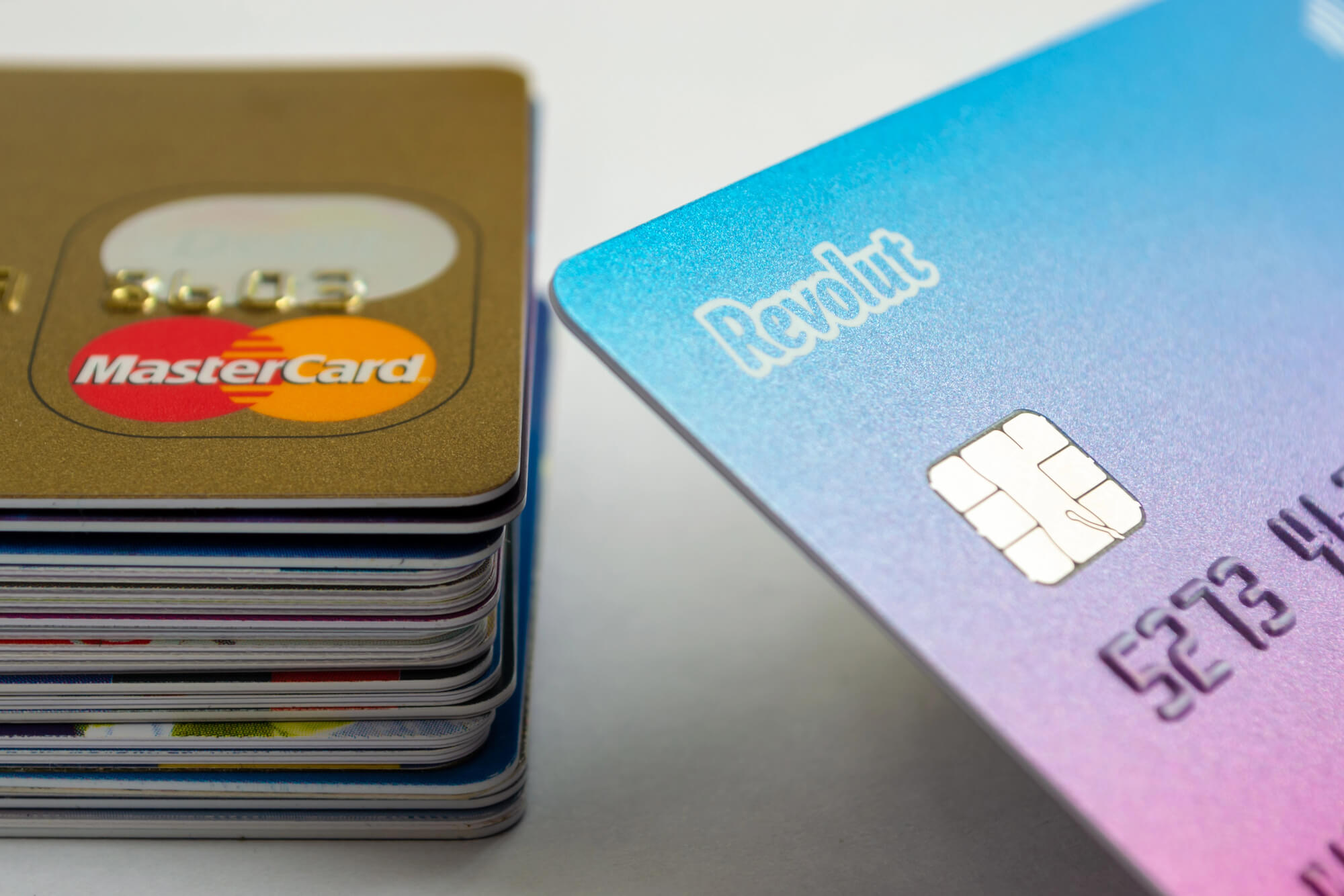
Revolut has applied for a Swiss banking license with the Financial Market Supervisory Authority FINMA. The British fintech company aims to upgrade its existing representative office in Zurich into a full bank that can offer customers accounts with a Swiss IBAN. The application is currently under review, and no decision timeline has been announced.
From Payments App to Prospective Full Bank
Revolut first launched as an app for cheap travel payments and currency exchange. Today, it bundles accounts, card payments, securities trading and crypto services in a single interface. In Switzerland, the provider has so far operated through the Lithuanian Revolut Bank UAB together with Revolut Securities Europe UAB.
The regulator first approved a representative office in Zurich in January 2024, and it started operations in July 2024. That permit, however, does not cover independent Swiss banking business. Domestically, the company counts 1.3 million customers, around 240,000 of whom joined in fiscal year 2025. Revolut also plans to invest more than CHF 150 million in the Swiss market over the next five years.
What the Swiss Banking License Would Change for Customers
FINMA supervises banks, insurers and financial service providers in Switzerland and grants every banking license. With a license of its own, Revolut could run salary accounts with a Swiss IBAN, and Swiss deposit insurance would also apply, protecting customer deposits up to CHF 100,000 per person and bank. Today, the accounts of Swiss users run through the Lithuanian entity and therefore fall under a foreign banking permit. The decision consequently touches salary payments, standing orders and the supervisor behind the deposits.
Further services are already on the review list, including payment processing for merchants, pillar 3a products and a Twint offering. Pillar 3a refers to tax-privileged private retirement savings in Switzerland. Whether these products materialize depends on the regulator's decision. The authority is currently reviewing the application, a result is still pending, and so far nobody has named a timeline.
CHF 150 Million Investment Plan and Local Hiring
The announced CHF 150 million is earmarked for new products and local jobs. The plan also covers an expansion of the board of directors and the management level, since a Swiss bank requires its own governance and control bodies in the country. Around 30 employees currently work for Revolut in Zurich, where General Manager Julian Biegmann runs the Swiss unit. He has signaled a tripling of the headcount by the end of next year.
"Revolut is already the leading fintech in Switzerland. With a banking license of our own, we would become a true Swiss bank that offers its more than 1.3 million customers the Revolut banking product with a Swiss touch." - Julian Biegmann, General Manager
Revolut Is Already the Largest Neobank in Switzerland
Revolut leads the Swiss neobank market with 1.3 million customers. Neobanks are providers without a branch network that deliver the account and the card through the smartphone. By comparison, Yuh reaches around 400,000 customers and Neon around 250,000, meaning the two domestic providers together cover roughly half of the Revolut base.
Around 240,000 customers joined in fiscal year 2025 alone, so the growth of a single year almost matches the entire customer base of Neon. Revolut's market entry through a payments app has given the provider a footprint that no domestic competitor reaches.
The same pattern repeats internationally. The group already holds banking licenses in the United Kingdom, Lithuania and France, with the permit following in March 2026 and the French one later in August. In the United States, the banking regulator OCC (Office of the Comptroller of the Currency) has additionally granted conditional approval for a national bank charter. Worldwide, Revolut counts more than 80 million customers, and by its own account the company operates as a licensed bank in more than 30 of 40 markets. The Swiss application therefore follows a line that has been running for years.
Synum and AMINA Already Shape the Swiss Crypto Banking Market
Incumbents already occupy the Swiss market for crypto banking. Sygnum and SEBA, today AMINA Bank, received the first FINMA banking licenses for digital assets, with both approvals dating from August 2019. In 2024, Sygnum managed around 4.5 billion in client assets and reported positive EBITDA of CHF 8.1 million, while AMINA reached around CHF 3.5 billion and targets profitability by 2026 at the latest.
At the same time, lawmakers are rebuilding the rulebook. In October 2025, the Federal Council opened the consultation on a revision of the Financial Institutions Act (FINIG), with the deadline running until 06.02.2026. The proposal foresees two new license categories for the crypto sector, modeled on the European CASP (crypto-asset service provider) regime. One of the two categories would replace the previous fintech license and additionally allow the issuance of stablecoins. The new categories are set to take effect in 2027 at the earliest, and for app-based providers that bundle crypto services into their products — Revolut among them — they would define the licensing framework under which such offerings would operate in Switzerland. Also already in force is FINMA supervisory notice 01/2026 from January, which permits the delegation of crypto custody to foreign third parties, provided supervision is equivalent and insolvency protection is comparable.
Established institutions have followed as well. Zürcher Kantonalbank has offered trading and custody of Bitcoin and Ethereum since 2024, and PostFinance has likewise opened crypto access to retail customers. ZKB works with Crypto Finance AG for these services, while PostFinance settles through Sygnum. In April 2026, a banking consortium also announced a test environment for a CHF stablecoin, with UBS, PostFinance, Sygnum, Raiffeisen, Zürcher Kantonalbank, Banque Cantonale Vaudoise and Swiss Stablecoin AG behind it.
A newcomer with a banking license would therefore enter a field that already covers digital assets.

