What It Takes to Restart a Shut-Down Nuclear Power Plant in the United States
Key Takeaways
- •Trump's May 2025 executive order targets ten new large reactors and an additional 5 GW of capacity at existing nuclear facilities by 2030.
- •Holtec encountered extensive corrosion, supply chain disruptions, and infrastructure issues at Palisades, having never previously operated a nuclear plant.
- •Constellation Energy expects to restart the undamaged Three Mile Island reactor as early as next year, aided by its familiarity with the facility and a 20-year power purchase agreement with Microsoft.
- •The administration announced it achieved its goal of bringing three advanced test reactors to criticality by July 4, 2026.
- •Federal approval for restarting decommissioned reactors is expected to be assessed on a case-by-case basis depending on each facility's condition and refurbishment scope.
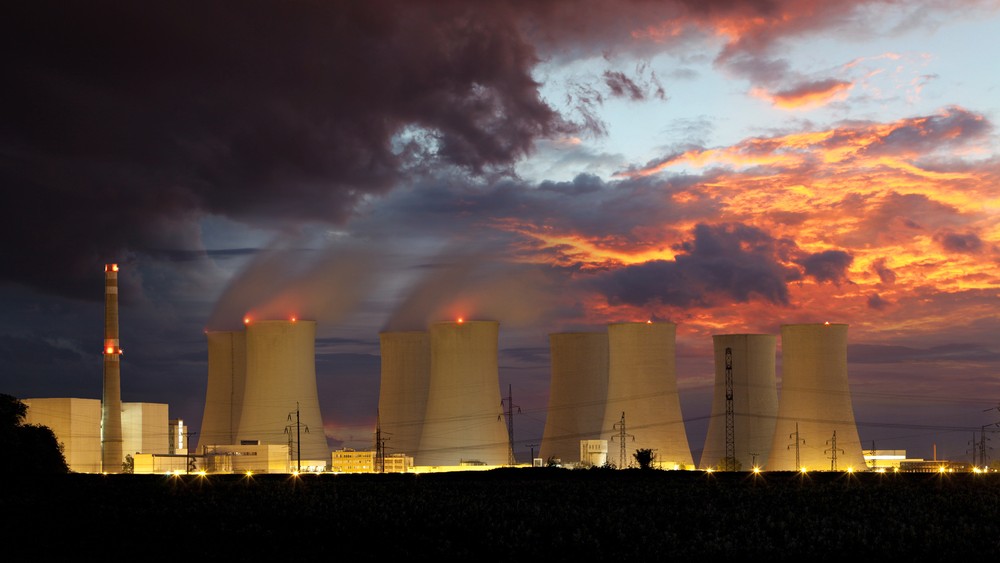
President Trump has set out to expand America's nuclear power capacity through both new construction and the restoration of decommissioned reactors. Yet bringing dormant reactors back online is a complex undertaking governed by stringent safety requirements overseen by the U.S. Nuclear Regulatory Commission (NRC) — not simply a matter of switching them back on.
In May 2025, Trump signed an executive order titled "Reinvigorating the Nuclear Industrial Base," which laid out ambitions to begin construction on ten new large reactors and add 5 GW of generating capacity to existing nuclear facilities by 2030. The policy push comes amid surging U.S. electricity demand, driven in part by the rapid expansion of data centers powering artificial intelligence, which has prompted major technology companies to seek reliable, carbon-free power sources.
Over the past several decades, numerous U.S. reactors were taken offline as public confidence in nuclear energy plummeted in the wake of three major disasters: Chornobyl, Three Mile Island, and Fukushima. Public sentiment has shifted markedly in recent years, however, with support for nuclear power rising substantially as policymakers and industries increasingly view it as essential to meeting both energy security and decarbonization goals.
Last year, Trump announced plans to restart three shuttered plants: the 789-MWe Palisades Nuclear Plant in Michigan, owned by Holtec International and closed in 2022; Constellation Energy's 835-MWe Crane Clean Energy Centre, located on the Three Mile Island site in Pennsylvania; and NextEra's 615-MWe Duane Arnold plant in Iowa. Together, these efforts underpin the administration's push for a U.S. nuclear renaissance.
After a year of accelerated work to revive nuclear operations, on Friday, July 24, the Trump Administration announced it had reached its goal of bringing three new advanced test reactors to criticality — the point at which a self-sustaining nuclear chain reaction is achieved — by July 4, 2026.
The Challenge of Restarting Palisades
When the Palisades Power Plant in Michigan was shut down in 2022, the closure was expected to be permanent. Holtec International subsequently reversed course and developed a strategy to restart the idled reactor — an undertaking without precedent in the U.S. commercial nuclear industry.
Holtec initially estimated that recommissioning would take roughly two years, a timeline that proved overly optimistic. Restarting a nuclear reactor turned out to be far more difficult and costly than anticipated. During its assessment of the facility, the company discovered extensive corrosion in the equipment that uses hot radioactive water to generate high-pressure steam. Additional setbacks included supply chain disruptions, a leaking underground water line, and the need to source replacement valves.
Many of these challenges would be familiar to experienced nuclear operators, but Holtec had never run a nuclear plant before. When the company acquired Palisades from the utility Entergy, it had not yet conducted a full inspection of the entire site, according to Jeff Borah, general manager of plant operations.
"We didn't take the time to really plan out the whole project before we started doing work," Borah said. "It's like building a fire truck on your way to the fire."
Holtec president Rick Springman offered a different perspective, noting that certain systems simply cannot be fully evaluated until a project is underway. That includes equipment such as the turbine, which had to be dismantled and inspected over several months.
"The difference between building a new house and rehabbing an old house is there is going to be discovery," Springman said.
Despite the hurdles, Holtec says it is committed to meeting its contractual restart deadline of March 2027 and plans to begin loading fuel into the reactor as early as September.
Other Restart Projects Gain Traction
Holtec's effort has encouraged other companies — including Constellation Energy and NextEra — to pursue their own recommissioning initiatives. The economic logic is straightforward: restarting an existing reactor can potentially deliver large-scale clean power years sooner and at lower cost than building new nuclear plants, which in the U.S. have historically faced multi-billion-dollar budgets and timelines stretching over a decade.
Constellation Energy's Three Mile Island project has progressed more smoothly. Because the reactor being rehabilitated was undamaged, the company expects to restart it as early as next year. Constellation's longstanding ownership and operation of the facility provided valuable familiarity with its systems and infrastructure. Microsoft has signed a 20-year power purchase agreement to offtake electricity from the Crane Clean Energy Centre once it resumes operation, underscoring the role of hyperscale technology firms in underwriting nuclear restarts.
The Trump administration is backing these restart efforts with billions of dollars in federal funding. That support has raised concerns among some observers that taxpayers will bear the financial burden of renovating aging reactors. Safety questions have also been raised — particularly regarding Holtec, given its lack of prior experience operating a nuclear plant.
Michael J. Keegan, co-chairman of the environmental group Don't Waste Michigan, expressed concern about the decision to repair rather than replace the corroded steam generators at Palisades. "Here at Palisades, there have been so many compromises," Keegan said.
Springman pushed back on those concerns, stating that the generators have been thoroughly inspected and tested and that the company "feel[s] very comfortable with the safety of the component."
A Case-by-Case Future
Palisades first entered commercial operation in 1971, prompting arguments that federal funding would be better spent constructing new reactors rather than reviving a half-century-old plant requiring extensive refurbishment.
However, the comparatively swift progress of Constellation Energy's Three Mile Island project indicates that some recommissioning efforts may prove faster and less complicated than others. This record suggests that federal approval to restart old reactors may ultimately be granted on a case-by-case basis, following detailed assessment of each facility's condition and the scope of work required.
By Felicity Bradstock for Oilprice.com

