Republican Strategist Describes 'Stockholm Syndrome' Binding GOP Lawmakers to Trump Ahead of Midterms
Key Takeaways
- •Republicans hold narrow majorities in both the House and Senate, meaning modest electoral shifts in 2026 could flip control to Democrats.
- •GOP lawmakers face greater immediate electoral risk from Trump-backed primary challengers than from general election opponents, according to Puck's reporting.
- •Unlike previous presidents such as George W. Bush and Barack Obama, who allowed down-ballot candidates to distance themselves, Trump demands absolute loyalty and punishes perceived disloyalty.
- •A Republican strategist told Puck that the only party members willing to challenge Trump are those not seeking reelection or those already defeated in their primaries.
- •Swing-district Republicans including Reps. Brian Fitzpatrick and Tom Barrett have attempted to create limited distance from Trump but continue to appear at his campaign events, illustrating the difficulty of fully breaking away.
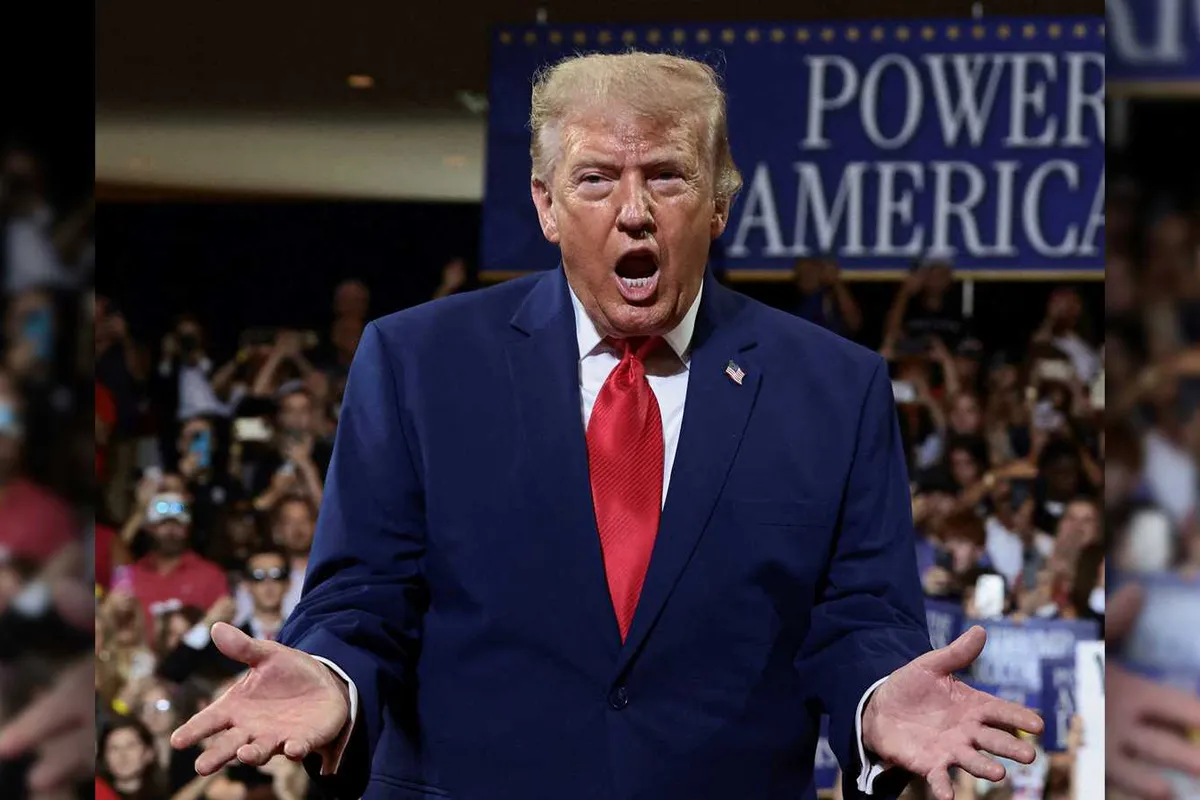
Congressional Republicans face a predicament in which "they have no choice" but to align with President Donald Trump, even if doing so jeopardizes their prospects in the upcoming midterms. That assessment comes from new reporting by Puck published Wednesday, in which a Republican strategist described what the outlet characterized as a "Stockholm Syndrome" keeping GOP lawmakers tethered to the president.
The stakes are considerable: Republicans hold narrow majorities in both the House and Senate, meaning even modest shifts in either chamber could flip control to Democrats in 2026. Yet for many individual GOP lawmakers, the more immediate electoral threat often comes not from a general-election opponent but from a primary challenger backed by a vengeful president.
Puck reporter Leigh Ann Caldwell writes that historically, unpopular presidents have afforded down-ballot candidates room to distance themselves when it benefits their electoral chances. "George W. Bush encouraged Republicans to play up their differences during the tough 2006 and 2008 cycles, while Barack Obama strategically avoided campaigning for certain candidates," Caldwell notes. Veteran Democratic strategist David Axelrod echoed that pattern, saying, "While our numbers were better than Trump's are today, we knew where we were and tried to respect the immediate interests of candidates in places where we might not be helpful."
Under Trump, however, that calculation has shifted. Caldwell reports that "independence is not an option when the leader of your party accepts nothing less than absolute fealty, and possesses a seemingly endless capacity for personal grievance." Even a remark perceived as antagonistic toward the president can trigger a withdrawn endorsement or an unfavorable news cycle. A Trump endorsement has proven decisive in numerous Republican primaries, where turnout skews toward the party's most loyal voters — a dynamic that amplifies the cost of any break with the president. GOP candidates are also mindful of Trump's reported $400 million super PAC war chest, hoping some of those funds will support their races — while aware that crossing the president could leave them cut off.
"He doesn't want them to win without him," one Republican strategist told Caldwell. The source described the dynamic in stark terms, referencing what Caldwell called the "Stockholm Syndrome that has gripped the party." The strategist added: "They have no choice. Once you accept that you have no choice, you make decisions accordingly."
According to Caldwell, the only Republicans who have demonstrated a willingness to challenge Trump are those not seeking reelection or those already defeated in their primaries. She points to Senators John Cornyn (R-TX), Thom Tillis (R-NC), Bill Cassidy (R-LA), and Representative Thomas Massie (R-KY) as examples. A handful of swing-district lawmakers, including Reps. Brian Fitzpatrick and Tom Barrett, have sought to create limited distance from the president. Caldwell notes, however, that Barrett — who has voted three times to limit Trump's war powers regarding Iran — still attended a rally with the president last week, underscoring what she describes as the difficulty candidates face in fully breaking away.
