GOP's Final Dash to Pass Trump's Agenda Faces Post-Midterms Reality Check
Key Takeaways
- •Republicans are internally split over how far to push President Trump's agenda during the lame-duck session, as Democrats are widely expected to capture the House and possibly the Senate in the midterms.
- •Some Republicans favor extending the post-election session to pass a reconciliation package, which can clear the Senate with a simple majority and therefore does not require Democratic votes.
- •The Hill expressed skepticism about the plan, cautioning that a severe electoral defeat, the approaching December holidays, and House attendance problems could undermine an extended legislative session.
- •The outcome of the post-election session will hinge on the scale of the midterm results, how long lawmakers remain in Washington, and whether House attendance can support a prolonged calendar.
- •Republican strategist Douglas Heye disputed the lame-duck framing of Trump, arguing he defies political convention and could dominate news coverage to the detriment of the party's 2028 presidential nominee.
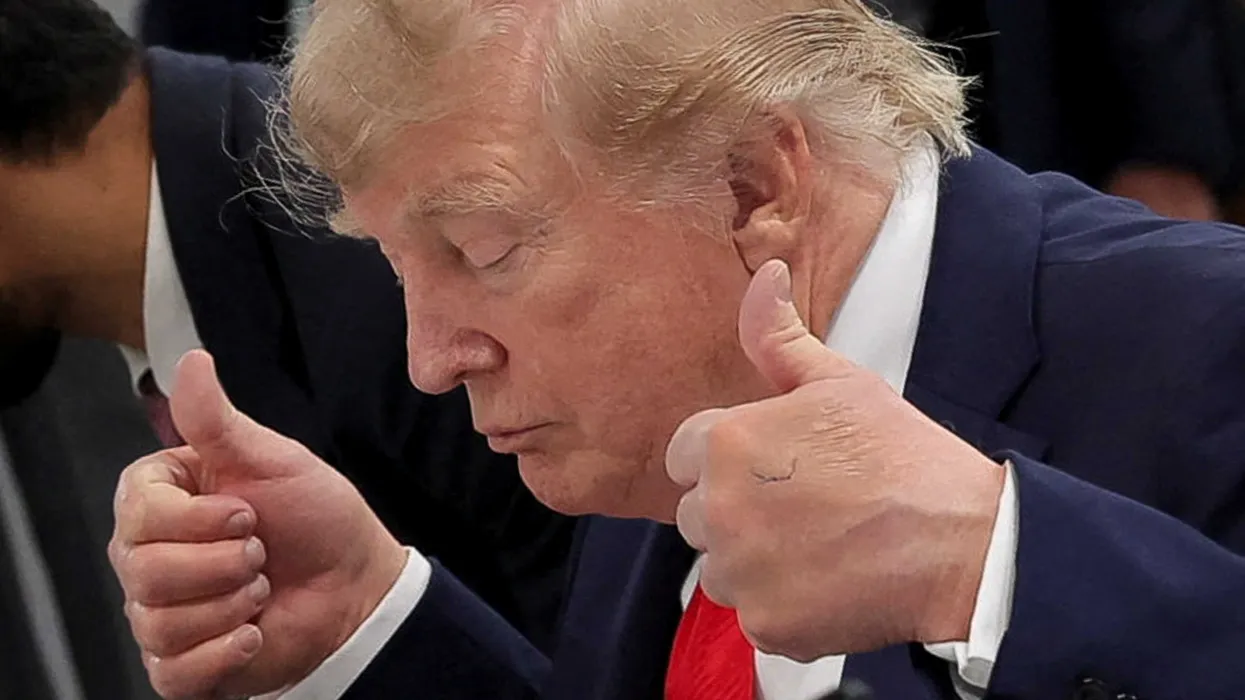
Republicans on Capitol Hill are preparing for a potential showdown over how far to push President Donald Trump's legislative agenda in a post-election session of Congress, as Democrats are widely expected to capture control of one or both chambers in the upcoming midterm elections.
The window at the center of the debate is the lame-duck session — the stretch between Election Day and the seating of the next Congress in early January, when the outgoing legislature keeps full lawmaking authority. The Democratic outlook tracks with a long-running pattern in which the party holding the White House has tended to lose ground in midterm elections.
According to a report published Sunday by The Hill, journalists Helen Huiskes, Sudiksha Kochi and Mike Lillis describe a party divided over its endgame strategy as the prospect of a Democratic-led Congress approaches.
"Republicans on Capitol Hill are poised to clash in the lame duck over how far to push President Trump's agenda," Huiskes, Kochi and Lillis reported. "Midterm voters are widely expected to give Democrats control of the House, and maybe the Senate, in the next Congress, which would bring Trump's legislative agenda to a screeching halt beginning next year."
That scenario, they wrote, is "setting off alarm bells among one camp of Republicans pushing to extend the post-election session to maximize the passage of GOP policies while they still have the power to do so," including "a so-called reconciliation package designed to move partisan priorities without the need for any Democratic support."
Reconciliation is a budget-related process that allows certain legislation to clear the Senate with a simple majority, bypassing the 60-vote threshold normally needed to break a filibuster — the procedural reason a package of this kind would not require Democratic votes.
Some Republicans hope to push such a reconciliation bill through before January 2027 if Democrats reclaim Congress, but The Hill expressed doubt that the plan will come together.
"That strategy is likely to run into a brick wall, however, if Republicans are clobbered in the elections, and deflated GOP lawmakers lose their appetite to stick around Washington for too long afterwards, especially as the December holidays get closer," Huiskes, Kochi and Lillis wrote. "Those dynamics might be most pronounced in the House, where Republicans face the longest odds of keeping their majority, and attendance problems could undermine the party's ability to move legislation."
How the post-election session unfolds will hinge on the variables the report identifies: the scale of the midterm results, how long lawmakers stay in Washington afterward, and whether House attendance can sustain an extended legislative calendar.
Not everyone believes a Democratic victory would reduce Trump to a lame duck. In December, Republican strategist Douglas Heye pushed back on that framing.
"I'd also caution folks here because, you know, so often we've started to see people talk about Donald Trump as a lame duck president. Stop that. Donald Trump — we know — we've said so many times he defies the laws of political gravity. He's not like any other president. So why would this one thing make him like any other president? He's never going to go gracefully into that good night," Heye argued.
He suggested the dynamic could prove damaging to whichever Republican runs for president in 2028.
"And if you're JD Vance or you're Marco Rubio, whomever the nominee may be, you have to be mindful that Donald Trump can make news at any moment just because he wants to do so. And he does that very effectively," Heye said.

